
VVS2 Clarity: The Diamond Quality You Need to Know
As a diamond expert with decades of experience, I've guided countless clients through the intricate world of diamond selection. One question that consistently arises is about diamond clarity – particularly the prestigious VVS2 grade.
Diamond clarity stands as a crucial factor in determining a stone's value and beauty. It measures the presence of internal characteristics (inclusions) and external blemishes that can affect a diamond's visual appeal. On the clarity scale, VVS2 (Very Very Slightly Included 2) represents exceptional quality, sitting just two steps below the coveted Flawless grade.
I've seen firsthand how understanding VVS2 clarity can transform the diamond shopping experience. These diamonds possess minimal inclusions, visible only under significant magnification – a testament to their superior quality. For buyers seeking pristine stones without the premium of Flawless or Internally Flawless grades, VVS2 presents an attractive sweet spot.
In this comprehensive guide, I'll share my expertise on:
- What makes VVS2 diamonds special
- How to identify VVS2 characteristics
- Why this clarity grade might be your ideal choice
- Tips for making an informed purchase decision
Let's explore why VVS2 clarity diamonds have earned their reputation as an excellent investment in both beauty and value.
Understanding Diamond Clarity and the Clarity Scale
As a certified gemologist with decades of experience, I've examined thousands of diamonds under magnification. Diamond clarity represents the absence of inclusions and blemishes within a stone. These characteristics can range from microscopic pinpoints to visible dark crystals.
The GIA clarity scale consists of 11 grades:
- Flawless (FL): No inclusions or blemishes visible under 10x magnification
- Internally Flawless (IF): No inclusions, only surface blemishes under 10x magnification
- Very Very Slightly Included (VVS1 and VVS2): Minute inclusions difficult to see under 10x magnification
- Very Slightly Included (VS1 and VS2): Minor inclusions visible under 10x magnification
- Slightly Included (SI1 and SI2): Noticeable inclusions under 10x magnification
- Included (I1, I2, and I3): Obvious inclusions visible to naked eye
The Significance of VVS2 Diamonds
VVS2 diamonds sit in the elite tier of this scale. When I examine a VVS2 stone, I need significant time and expertise to spot its minuscule inclusions, even with professional equipment. The key difference between VVS1 and VVS2? Location. VVS1 inclusions hide in less visible areas, while VVS2 inclusions appear in more prominent positions - yet both remain virtually invisible to untrained eyes.
The VVS2 grade represents exceptional clarity, placing these diamonds among the top 10% of all natural diamonds. These stones showcase remarkable transparency and fire, making them highly sought-after for premium jewelry pieces.
What Does VVS2 Mean in Diamonds?
As a professional jeweler, I've examined thousands of VVS2 diamonds under magnification. These exceptional stones contain minimal inclusions that are nearly impossible to spot without specialized equipment. Let me break down what you'll typically find in a VVS2 diamond:
Common VVS2 Inclusions:
- Pinpoints: Tiny dark spots that appear like microscopic dots
- Needles: Thread-like crystal inclusions that are extremely thin
- Clouds: Groups of pinpoints clustered together, creating a subtle haziness
- Feathers: Minute internal fissures that resemble delicate feathers
Under 10x magnification, these inclusions become visible to a trained eye. I need to search carefully to locate them, often taking several minutes to spot these tiny characteristics. The beauty of VVS2 diamonds lies in their pristine appearance - without magnification, these stones appear completely clean to the human eye.
The microscopic nature of VVS2 inclusions means they don't interfere with light performance. These diamonds maintain exceptional brilliance and fire, as the inclusions are too small to impact how light travels through the stone. The crystal's internal structure remains virtually uncompromised, allowing it to display its full optical properties.
A VVS2 grade represents a diamond that's remarkably pure, sitting just two steps below absolute perfection in the clarity scale. When I show clients these diamonds in my showroom, they're consistently amazed by their exceptional clarity and sparkle.
Is VVS2 Clarity Good? Evaluating Diamond Quality
After years of helping clients choose their ideal diamonds, I can confidently say that VVS2 clarity represents exceptional diamond quality. This grade is near the top of the clarity scale, just two steps below Internally Flawless and one step below VVS1.
Let's break down what makes VVS2 diamonds valuable:
- Superior Clarity: VVS2 diamonds showcase remarkable purity, with inclusions so minimal they're challenging to spot even for trained gemologists
- Eye-Clean Guarantee: These stones are 100% eye-clean, meaning you'll never see any imperfections without magnification
- Investment Quality: The rarity of VVS2 diamonds makes them valuable assets that maintain their worth
When comparing VVS2 to nearby grades, the differences become interesting:
VS1 and VS2 Comparison
- VS1: Slightly more inclusions, still eye-clean, 15-20% less expensive
- VS2: More visible inclusions under magnification, usually eye-clean, 25-30% less expensive
The price premium for VVS2 reflects its position as a luxury-tier clarity grade. I often recommend VVS2 to clients who want assurance of exceptional quality without paying the premium for Flawless or Internally Flawless stones.
For larger diamonds (2+ carats) or step-cut stones like emerald cuts, VVS2 clarity becomes particularly valuable as these stones tend to show inclusions more readily. The pristine nature of VVS2 diamonds ensures they'll display their full brilliance and fire without any clarity-based interference.
Visual Appearance: What Does a VVS2 Diamond Really Look Like?
As a diamond expert with decades of experience, I can tell you that VVS2 diamonds are truly exceptional stones. When I examine a VVS2 diamond, even under 10x magnification, I need to search carefully to spot any inclusions. To the naked eye, these diamonds appear completely pristine.
Let me describe what you'll see in a VVS2 diamond:
- Crystal Clear Surface: The face-up appearance shows no visible marks or blemishes
- Pure Sparkle: Light reflects cleanly through the stone without interference
- Pristine Table: The large, flat area on top appears completely clear
- Clean Profile: Side views reveal no visible imperfections
Under professional magnification, you might notice:
- Tiny pinpoint inclusions, smaller than a speck of dust
- Microscopic needle-like features
- Faint natural crystal growth marks
I've had clients ask me to point out inclusions in VVS2 diamonds, and even with my trained eye, it takes time to locate these minute characteristics. This exceptional clarity allows the diamond's brilliance and fire to shine through without any interference.
The real beauty of VVS2 diamonds lies in their ability to maintain their pristine appearance even in larger carat weights. A 2-carat VVS2 diamond looks just as clean as a 1-carat stone of the same grade - something that's not always true for lower clarity grades.
When I display VVS2 diamonds in different lighting conditions:
- Direct Sunlight: They exhibit maximum fire and brilliance
- Office Lighting: They maintain their crisp, clean appearance
- Dim Settings: They still sparkle beautifully without any visible dark spots
The visual perfection of VVS2 diamonds makes them particularly stunning in certain settings. Solitaire rings showcase their flawless appearance, while three-stone settings allow each diamond to display its exceptional clarity.
For those wondering about real-world comparisons, imagine looking through the clearest glass window you've ever seen - that's similar to viewing a VVS2 diamond. The transparency is so perfect that it's almost impossible to believe.
Choosing the Right Diamond Shape with VVS2 Clarity in Mind
As a diamond expert, I've noticed how different diamond shapes interact uniquely with VVS2 clarity. Step-cut diamonds like emerald and Asscher cuts feature large, open facets that act like windows into the stone. These shapes demand higher clarity grades - VVS2 is an ideal choice here.
Step-Cut Diamonds (Emerald & Asscher)
- Large, table-like facets showcase internal characteristics
- VVS2 clarity ensures a clean, mirror-like appearance
- Perfect for buyers who appreciate geometric precision
Brilliant-Cut Diamonds
- Round, oval, and princess cuts mask inclusions naturally
- Complex facet patterns scatter light effectively
- VS1-VS2 clarity can work well in these shapes
I recommend matching your shape choice to your clarity priorities. If you're drawn to step-cuts, investing in VVS2 clarity will maximize their elegant, hall-of-mirrors effect. For brilliant cuts, you might consider allocating your budget differently - perhaps towards color or carat weight.
Shape Selection Tips:
- Emerald cuts under 1.5 carats: VVS2 creates pristine reflections
- Round brilliants: More flexibility with clarity choices
- Marquise & pear shapes: Check bow-tie effect alongside clarity
- Cushion cuts: Examine how faceting patterns interact with inclusions
I've found that larger diamonds (2+ carats) benefit from VVS2 clarity regardless of shape, as size amplifies the visibility of internal characteristics.
Shopping Tips for Buying a VVS2 Clarity Diamond Online or In-store
As a seasoned jeweler, I've guided countless clients through the VVS2 diamond selection process. Here's my expert advice for a successful purchase:
Online Shopping Essentials:
- Request high-definition 360° videos of your chosen diamond
- Use zoom features to examine the stone from multiple angles
- Look for vendors offering real-time diamond inspection tools
- Study the diamond's plot diagram in the certification
In-Store Examination:
- Ask to view the diamond under different lighting conditions
- Request to see the stone both with and without magnification
- Compare similar diamonds side by side
- Take photos or videos for later reference
Certification Requirements:
- Accept only GIA or AGS certificates
- Verify the certificate number matches your diamond
- Check that clarity characteristics align with the grading report
- Ensure the certificate is recent (within the last few years)
When examining certification, pay special attention to the clarity plot. This diagram shows the exact location and nature of inclusions, helping you determine if they might affect the diamond's appearance in your chosen setting.
Conclusion
VVS2 diamonds are an excellent choice for those seeking high-quality gemstones at a more affordable price compared to Flawless or Internally Flawless grades. These diamonds offer a perfect combination of beauty and value, making them a popular option for both personal purchases and investments.
The standout features of VVS2 diamonds include:
- Near-Perfect Visual Appeal: Inclusions remain virtually invisible to the naked eye
- Investment-Grade Quality: The high clarity grade maintains strong resale value
- Peace of Mind: You'll never worry about visible imperfections
The true beauty of a VVS2 diamond lies in its ability to capture and reflect light brilliantly, creating that coveted sparkle we all love. Your eyes will tell you everything you need to know - these stones are simply stunning.
Ready to find your perfect VVS2 diamond? Let me help you select a stone that matches your style and budget. With over 20 years of experience in diamond selection, I can guide you through the nuances of clarity grading and help you make an informed decision.
Book Your Personal Consultation
- 📞 Call: (212) 921 - 4647
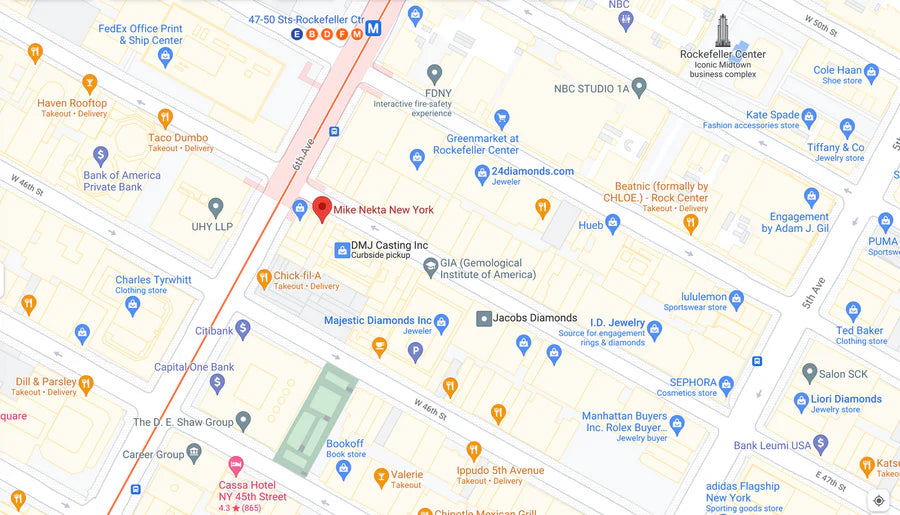
- 📍 Visit: 74 West 47th Street New York, NY 10036
- 🌐 Schedule online: Here
Your dream diamond awaits - let's find it together.