
Why Ruby Is Known as the “King of Gemstones”
As someone who has worked with precious gemstones for many years, I can confidently say that nothing demands respect quite like a fine ruby. The title "King of Gemstones" isn't just flowery language—it's a recognition earned through centuries of admiration across cultures.
Ruby gemstones hold a special place in both the study of gems and human history. While diamonds may be the go-to choice for modern engagement rings, rubies have traditionally been more valuable and powerful in terms of symbolism. Ancient Sanskrit texts referred to ruby as "ratnaraj," which means "king of precious stones," highlighting its superiority long before the field of gemology was established.
The significance of ruby goes beyond its breathtaking beauty. This gemstone connects the scientific and spiritual realms, possessing remarkable physical qualities and deep cultural meanings. From warriors in Burma to monarchs in Europe, from biblical allusions to present-day collectors, ruby has consistently retained its regal status throughout different eras and regions.
In this article, we'll delve into the reasons behind ruby's reputation as the "King of Gemstones." We'll explore its exceptional qualities, historical significance, symbolic richness, market worth, and important factors to consider when adding a ruby to your collection.
The Physical Excellence of Ruby
When I examine ruby's physical properties, I'm always struck by how nature created such a remarkable gemstone. Ruby belongs to the corundum mineral family, sharing its chemical composition (aluminum oxide) with sapphire. What sets ruby apart is the presence of chromium in ruby—this trace element transforms colorless corundum into the mesmerizing red gem we treasure.
The hardness of ruby stands at an impressive 9 on the Mohs scale, making it the second-hardest natural gemstone after diamond. This exceptional durability means rubies resist scratching and wear far better than other colored gemstones like emeralds (7.5-8) or tanzanite (6-7). I've seen century-old ruby jewelry that maintains its brilliance because of this inherent toughness.
Nature forges rubies under extreme conditions—high temperatures exceeding 1,000°C and immense pressure deep within the Earth's crust. These gems crystallize in metamorphic rocks like marble and schist, or occasionally in igneous formations. The geological requirements are so specific that only certain regions produce gem-quality rubies:
- Myanmar (Burma): The legendary source of "pigeon's blood" rubies
- Mozambique: Emerging as a major supplier of fine-quality stones
- Thailand: Known for darker, brownish-red rubies
- Sri Lanka: Produces lighter, pinkish-red varieties
- Madagascar, Tanzania, and Vietnam: Additional significant sources
Each origin imparts subtle characteristics that I've learned to recognize through years of handling these magnificent stones.
Historical Reverence and Cultural Importance
The history of ruby stretches back thousands of years, weaving through ancient civilizations and leaving an indelible mark on human culture. This gemstone is not just a beautiful stone; it has been a symbol of divine power and earthly authority throughout history.
Ruby in Ancient India
The Sanskrit name "ratnaraj"—literally translating to "king of precious stones"—reveals the ancient Indian reverence for this magnificent gem. In Vedic traditions, rubies weren't simply decorative objects; they were sacred offerings presented to deities, believed to secure favor from the gods themselves. The cultural significance of ruby in India extended to imperial courts, where possession of fine rubies was thought to guarantee rebirth as an emperor in the next life.
Ruby in Burma
Burmese warriors took their devotion to an extreme I find both remarkable and unsettling—they would embed rubies directly into their flesh before battle, convinced the stones would render them invincible against enemy weapons. This practice speaks volumes about the supernatural powers attributed to rubies throughout history.
Ruby in Biblical Texts
Biblical texts reference rubies multiple times, associating them with beauty and wisdom. The Book of Proverbs famously declares that wisdom is "more precious than rubies," establishing the gem's value as a metaphor for life's highest virtues.
Ruby in European Royalty
European royalty prized rubies as talismans for health, wealth, love, and success. Crown jewels across the continent featured prominent rubies, cementing the gem's status among ancient civilizations and rubies as inseparable companions in the pursuit of power.
Symbolism and Meaning Behind Ruby
The deep red color of ruby has fascinated people for thousands of years, making it one of the most symbolically significant gemstones in history. Throughout my career, I've seen how ruby symbolism goes beyond just looks—this gemstone represents the very essence of life itself.
The blood-red color creates an immediate connection to our deepest emotions. Ruby symbolizes:
- Passion and desire - The intense red mirrors the flush of romantic love and burning ambition
- Courage and bravery - Warriors across cultures wore rubies as courage symbols before battle
- Victory and triumph - The gemstone's association with Mars, the Roman god of war, reinforced its connection to conquest
- Protection and invincibility - Ancient monarchs believed rubies created an impenetrable shield against harm
- Charity and compassion - The heart-like color linked it to selfless love and generosity
Kings throughout history didn't wear rubies just because they were pretty. They believed these stones actively kept them healthy, protected them from disease, and stopped poisoning—a common worry in royal courts. Some rulers even ground rubies into powder and took them as medicine.
Today's understanding of ruby as a gemstone representing vitality and strength aligns with modern beliefs. I suggest rubies to clients who want to exude confidence and authority. The lasting symbolism behind rubies explains Why Ruby Is Known as the "King of Gemstones"—it perfectly embodies the qualities we associate with royalty.
Rarity and Value of Rubies in the Gem Market
The rarity of rubies sets them apart in the gemstone world. Finding a natural ruby with exceptional color, clarity, and size is extraordinarily difficult. Most rubies contain inclusions, and those rare specimens displaying pure, vivid red hues without significant flaws command astronomical prices. Sourcing a truly fine ruby remains one of the most challenging aspects of my work.
The value of ruby gemstones consistently outpaces most other colored stones. While emeralds and sapphires certainly hold their own in the market, top-quality rubies regularly achieve higher per-carat prices. The scarcity of large, untreated rubies creates intense competition among collectors and investors who understand their long-term appreciation potential.
The Sunrise Ruby exemplifies just how valuable these gems can be. This 25.59-carat Burmese ruby sold at auction for over $30 million in 2015, setting a world record for any colored gemstone. That's more than $1.2 million per carat—a figure that speaks volumes about ruby's supremacy in the gem market.
Collectors and investors prize rubies for several compelling reasons:
- Limited supply from historically significant sources like Burma
- Consistent demand across global markets
- Historical track record of value appreciation
- Tangible asset that combines beauty with investment potential
- Cultural significance that transcends geographical boundaries
The combination of geological rarity and human desire creates a market dynamic where expensive colored gemstones like rubies continue to break records and capture the imagination of serious collectors worldwide.
How to Choose Authentic Ruby Gemstones
When investing in rubies, I've learned that identifying real rubies requires careful attention to specific characteristics. Natural rubies contain inclusions—tiny imperfections that act like fingerprints, proving their authenticity. Synthetic rubies appear too perfect, with uniform color distribution and bubble-like inclusions visible under magnification.
The color itself tells a story. Genuine rubies display a rich, slightly purplish-red hue with subtle color variations throughout the stone. If you notice an overly bright, uniform red color, you're likely looking at a treated or synthetic stone. Heat treatment is common in the industry, but disclosure is essential for transparent transactions.
Origin verification plays a crucial role in determining value. Burmese rubies command premium prices due to their exceptional quality and historical significance. I always recommend requesting documentation that traces the stone's geographic origin, as this information significantly impacts both authenticity and market value.
For investment-grade rubies, professional appraisal isn't optional—it's essential. I work with certified gemologists who use specialized equipment to analyze:
- Chemical composition through spectroscopy
- Inclusion patterns under microscopic examination
- Color saturation and distribution
- Treatment history and enhancement methods
An authentic ruby buying guide should emphasize the importance of purchasing from reputable dealers who provide comprehensive certification from recognized gemological laboratories. These certificates detail every aspect of the ruby's characteristics, ensuring you're making an informed investment decision.
Conclusion
Understanding why ruby is known as the "King of Gemstones" goes beyond appreciating its beauty—it requires recognizing the intricate details that separate exceptional specimens from ordinary stones. I've spent years helping collectors and enthusiasts navigate the complex world of fine rubies, and I know firsthand how crucial expert guidance becomes when making significant gemstone investments.
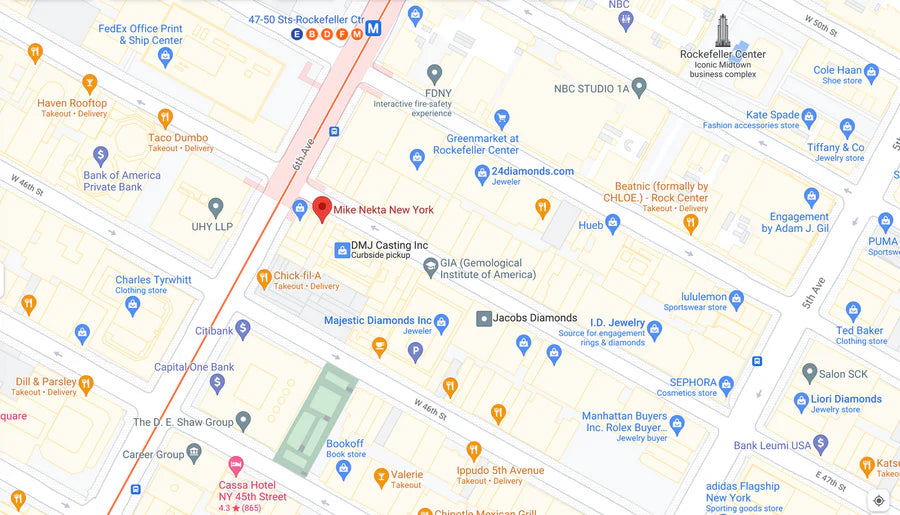
Whether you're seeking a ruby for its symbolic meaning, investment potential, or simply to add a magnificent piece to your collection, professional consultation makes all the difference. I invite you to book an appointment with Mike Nekta for a personalized expert ruby consultation where we can:
- Examine specific stones under professional gemological equipment
- Discuss your goals and budget in detail
- Review authentication certificates and origin documentation
- Explore curated selections matching your criteria
The journey to finding your perfect ruby deserves dedicated attention and expertise. Let's work together to ensure your investment reflects the true majesty of the King of Gemstones.