
How Lab Grown Diamonds Are Created: Science Meets Romance
As someone who has spent years helping couples select their perfect diamond, I've seen firsthand how lab grown diamonds have transformed the jewelry landscape.
Lab grown diamonds are captivating for their story as much as their sparkle. Born in state-of-the-art laboratories, these gems are products of human innovation, yet they evoke the same sense of wonder and everlasting love as their natural counterparts. This unique blend of science and romance is redefining what it means to give—and wear—a diamond.
Their popularity has soared, especially among those seeking engagement rings that are both ethically conscious and breathtakingly beautiful. Couples today are embracing lab grown diamonds not only for their undeniable brilliance but also for the thoughtful values they represent.
In this article, I’ll pull back the curtain on the diamond creation process, revealing how advanced techniques bring these stunning stones to life. We’ll explore the cutting-edge science behind lab grown diamonds and examine why they hold such powerful emotional significance in modern love stories.
Understanding Lab Grown Diamonds
Lab grown diamonds, also known as synthetic diamonds, are real diamonds created in specialized laboratories using advanced technology that mimics the natural conditions under which diamonds form deep within the earth. Unlike mined diamonds, which take millions of years to form underground, lab grown diamonds are produced in a matter of weeks through controlled processes.
Key Characteristics of Lab Grown Diamonds
Lab grown diamonds share the same key characteristics as natural diamonds:
- Crystal Structure: Both types of diamonds have the same arrangement of carbon atoms, giving them their unique properties.
- Brilliance: Lab grown diamonds exhibit the same level of sparkle and fire as mined diamonds.
- Hardness: Both types of diamonds are equally hard, ranking 10 on the Mohs scale.
Distinguishing Lab Grown Diamonds from Natural Diamonds
In most cases, only advanced gemological equipment can detect slight differences between lab grown and natural diamonds, specifically in their growth patterns. These distinctions are not visible to the naked eye.
The Ethical Appeal of Lab Grown Diamonds
Lab grown diamonds offer an ethical alternative to traditional mining practices. Here are some reasons why they are considered more environmentally friendly:
- Reduced Land and Water Usage: The creation of lab grown diamonds requires less land and water compared to mining operations.
- Lower Carbon Emissions: The production process for lab grown diamonds generates fewer carbon emissions than mining.
- Avoidance of Social Issues: Many social issues associated with mining, such as displacement of communities or exploitation of workers, can be avoided with lab grown diamonds.
For couples looking for a symbol of love that is both visually stunning and ethically sourced, this ethical aspect adds extra significance to their choice.
The Science Behind Lab Grown Diamonds
High Pressure High Temperature (HPHT) Method
The HPHT method is a remarkable intersection of human ingenuity and nature’s design.
HPHT diamond creation begins with a small sliver of diamond—called a seed—placed amidst pure carbon, such as graphite. This assembly is then subjected to pressures exceeding 1.5 million pounds per square inch and temperatures above 2,700°F (about 1,500°C). These conditions mirror those found deep beneath the earth’s crust, where natural diamonds form over millions of years.
Here’s how the HPHT process works:
- Carbon crystallization occurs as the intense pressure and heat force carbon atoms to arrange themselves into the tight lattice structure unique to diamonds.
- The entire process takes several weeks, during which the carbon transforms from a simple element into one of the world’s hardest and most brilliant minerals.
The origins of this diamond formation technology trace back to an innovation by General Electric in the 1950s. This milestone, often referenced as the “GE 1950s innovation,” marked the first time scientists successfully produced synthetic diamonds—albeit initially for industrial purposes. These early HPHT diamonds were used in cutting tools and abrasives due to their incredible hardness.
Improvements in HPHT technology soon shifted its focus beyond industry. Today, refined processes allow for the creation of gem-quality stones suitable for fine jewelry.
The HPHT method not only replicates nature’s artistry but offers precise control over diamond size, clarity, and color. This enables jewelers like myself to source stones that meet specific design visions while maintaining the integrity expected in luxury jewelry.
Here are some key characteristics of gem-quality HPHT diamonds:
- Brilliance and durability: Gem-quality HPHT diamonds possess all the brilliance and durability of their mined counterparts.
- Versatile appeal: By adjusting temperature, pressure, and introducing trace elements during growth, it’s possible to create diamonds that appeal to diverse tastes—from classic colorless gems to vivid yellows and blues.
This blend of science with romance elevates each HPHT diamond beyond mere ornamentation—each is a testament to both technological mastery and timeless beauty.
Chemical Vapor Deposition (CVD) Method
The CVD method is one of the most advanced technologies for creating diamonds, providing an interesting alternative to the HPHT process. Here's how it works:
- A small piece of diamond, called a diamond seed, is placed inside a vacuum chamber.
- The chamber is filled with a gas that contains a lot of carbon, like methane.
- The gas is then transformed into plasma using energy.
- The plasma breaks down the gas molecules, releasing pure carbon atoms.
- These carbon atoms gradually accumulate on the diamond seed, forming layers.
Key features of CVD diamond growth:
- Precision Control: This method allows for precise control over the purity, size, and even color of each diamond.
- Cost Efficiency: Compared to HPHT, CVD usually requires less energy and can produce larger diamonds at lower costs.
- Timeframe: It typically takes about one to two weeks to grow gem-quality diamonds using this process.
This groundbreaking technique not only replicates the natural conditions under which diamonds form in the Earth but also offers new possibilities for designing custom jewelry.
Characteristics and Quality of Lab Grown Diamonds
Lab grown diamonds are just as good as mined diamonds when it comes to clarity, hardness, and brilliance. Both types are made of pure carbon arranged in a cubic crystal structure, which gives them a hardness rating of 10 on the Mohs scale—the highest possible for any gemstone. This means gem-quality lab diamonds have the same dazzling sparkle and durability that people have loved for generations.
- Optical properties such as fire, scintillation, and transparency are virtually indistinguishable from natural diamonds to the naked eye.
- The introduction of trace elements in diamonds during growth can yield stunning colors: boron creates blue hues, while nitrogen imparts yellow or brown tones. These colored lab diamonds are just as vivid and captivating as those formed deep within the earth.
While jewelers use specialized equipment to spot subtle growth patterns or internal features unique to lab processes, these differences don’t affect the visible beauty or lasting quality of your diamond.
Ethical and Environmental Benefits
Lab grown diamonds stand out in the world of sustainable diamonds and ethical jewelry. Traditional diamond mining can leave a significant environmental footprint—deforestation, habitat loss, water pollution, and greenhouse gas emissions are all part of the environmental impact of mining. By contrast, lab grown diamonds require far less land disruption and use fewer natural resources, dramatically reducing ecological damage.
Ethical concerns also set these diamonds apart. The process behind How Lab Grown Diamonds Are Created: Science Meets Romance ensures that human rights abuses commonly associated with some mining operations are not part of the equation. For couples seeking peace of mind that their symbol of love isn’t tainted by controversy, this is a compelling distinction.
Affordability factors in as well. Lab grown diamonds typically cost 20-40% less than their mined counterparts, allowing buyers to choose larger or higher quality stones without exceeding their budget—all while prioritizing both sustainability and ethics.
The Romantic Appeal of Lab Grown Diamond Rings
Engagement rings have always symbolized deep emotions—representing commitment, love, and the start of a new journey together. Lab grown diamond rings are changing the way we celebrate these significant moments. Today, couples are attracted to the combination of affordable luxury and ethical comfort that these gems offer.
- Innovation meets tradition: Lab grown diamonds are created through scientific advancements, yet they possess the same beauty and brilliance that has symbolized love for generations.
- A meaningful choice: Opting for a lab grown diamond ring allows you to prioritize both value and significance. The beauty and durability rival natural diamonds, but the story behind them can make your engagement ring even more personal.
- Affordable elegance: With lab grown stones, couples often find they can select larger or higher-quality diamonds within their budget—making the dream of an unforgettable ring truly attainable.
The modern love story gains new depth when technology and romance unite in every sparkling facet.
The History and Global Growth of Lab Grown Diamonds
The history of synthetic diamonds began with groundbreaking experiments in the 1950s, when General Electric first succeeded in creating diamonds under laboratory conditions through the HPHT process. These early stones were primarily industrial-grade, but relentless research transformed them into gems worthy of fine jewelry by the late 20th century.
Today, global production centers such as the USA, China, India, and Israel drive innovation and supply. Each region contributes unique technological advances and substantial output—China is a leader in industrial diamond synthesis, while the USA and India are recognized for producing high-quality gemstones for the jewelry market.
- USA: Known for pioneering labs and stringent quality standards.
- China: Major producer of both industrial and gem-quality stones.
- India: Rapidly expanding capacity for jewelry-grade diamonds.
- Israel: Renowned for cutting-edge polishing expertise.
Consumer demand has fueled industry growth on every continent. Acceptance grows as more people discover that lab grown diamonds offer beauty, value, and ethical peace of mind indistinguishable from mined stones. The global market continues to expand, making these gems a staple in modern jewelry collections.
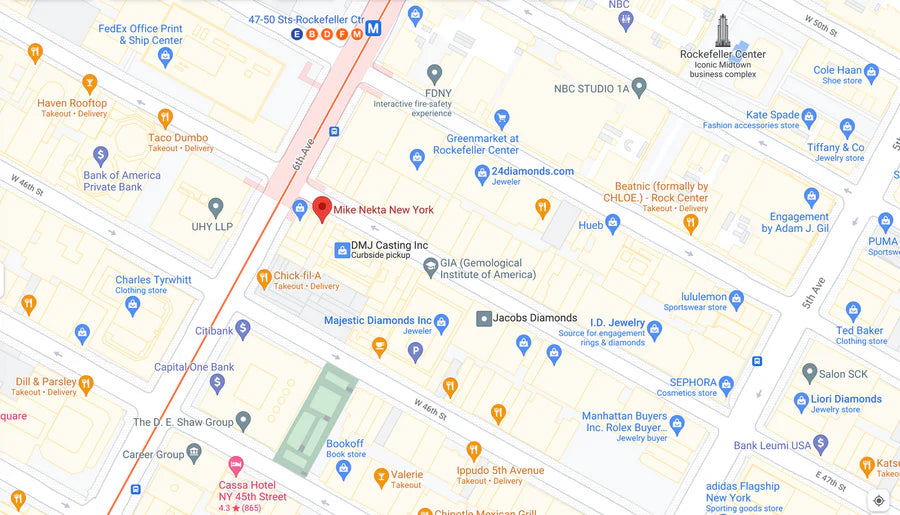
Choosing Your Lab Grown Diamond Ring with Mike Nekta New York
Selecting a lab grown diamond ring is about more than just choosing a stone—it's about curating a meaningful symbol that resonates with your personal story. At Mike Nekta New York, I offer a unique approach for those seeking custom lab grown rings in NYC. My process blends the precision of science with the artistry of fine jewelry, resulting in pieces that are both contemporary and timeless.
With a personalized jewelry consultation, clients receive:
- Expert guidance on diamond selection, leveraging my in-depth understanding of how lab grown diamonds are created: science meets romance in every detail.
- Bespoke design options tailored to individual tastes, from classic solitaires to avant-garde settings—each crafted with meticulous attention to detail.
- Transparent education about the various qualities, growth methods (HPHT or CVD), and ethical advantages of lab grown diamonds.
"Every couple's journey is unique—their ring should be too. My mission is to help you discover or design a piece that reflects your values, style, and love story."
For those ready to explore the possibilities, booking a Mike Nekta New York appointment connects you directly with an expert who prioritizes both technical excellence and emotional significance. Whether envisioning an engagement ring or commemorating a milestone, each custom creation is guided by your vision and crafted for lasting brilliance.
Conclusion
The future of lab grown diamonds is looking bright, combining science and romance in a way that makes them even more special. If you want to see how these beautiful gems are made and find the perfect diamond ring for yourself, I invite you to get in touch with me—Mike Nekta New York. Together, we can explore the world of lab grown diamonds and create a personalized experience just for you.
Book your appointment now with me, Mike Nekta and let us help you celebrate life's most important moments with an ethical and breathtaking lab grown diamond that tells your one-of-a-kind story.