
Lab-Grown Diamond Rings: Ethical, Affordable & Stunning
In this guide, I’ll be sharing my perspective on an exciting innovation in the jewelry world: lab-grown diamond rings. Whether you’re shopping for an engagement ring or simply interested in emerging trends, this overview will cover all the essential information you need about lab-grown diamonds.
What Are Lab-Grown Diamonds?
Lab-grown diamonds are created in a controlled laboratory environment using advanced technological processes. Unlike natural diamonds that form over millions of years under the Earth's crust, these diamonds are produced in a matter of weeks. Despite their origin, lab-grown diamonds have the same physical, chemical, and optical properties as natural diamonds.
Key Characteristics of Lab-Grown Diamonds:
- Identical to Natural Diamonds: Both types are made of carbon atoms arranged in a crystal structure.
- Ethically Sourced: No mining is involved, reducing environmental impact.
- Cost-Effective: Generally 20-40% less expensive than natural diamonds.
- Customized Creation: Can be tailored to specific size, shape, and quality.
The Process of Creating Lab-Grown Diamonds
Two primary methods are used to create these stunning gems:
High Pressure High Temperature (HPHT):
- Mimics the natural formation process by applying high pressure and high temperature.
- Produces gems that are virtually indistinguishable from mined diamonds.
Chemical Vapor Deposition (CVD):
- Uses a hydrocarbon gas mixture to deposit carbon atoms onto a substrate.
- Allows for greater control over the diamond's growth and quality.
Both methods result in exquisite diamonds that can be crafted into beautiful rings.
Why Choose Lab-Grown Diamond Rings?
Ethical Considerations
Many consumers today prioritize ethical sourcing and sustainability. Lab-grown diamonds offer a guilt-free alternative to traditional diamonds, eliminating concerns about conflict diamonds or environmental degradation.
Cost Efficiency
Lab-grown diamond rings provide exceptional value without compromising on quality or beauty. This affordability allows for larger stones or more intricate designs within the same budget.
Quality and Variety
With advancements in technology, lab-grown diamonds now come in various shapes, sizes, and colors. This versatility enables more personalized and unique ring designs.
Common Misconceptions About Lab-Grown Diamonds
"They're Fake or Synthetic"
This couldn't be further from the truth. Lab-grown diamonds are real diamonds with identical properties as their natural counterparts. The term "synthetic" often misleads people into thinking they are imitation stones like cubic zirconia or moissanite.
"They Lack Value"
Lab-grown diamonds do hold value, though their resale market differs from natural diamonds. Their worth lies in their ethical production, cost efficiency, and stunning appearance.
Personal Experience with Lab-Grown Diamond Rings
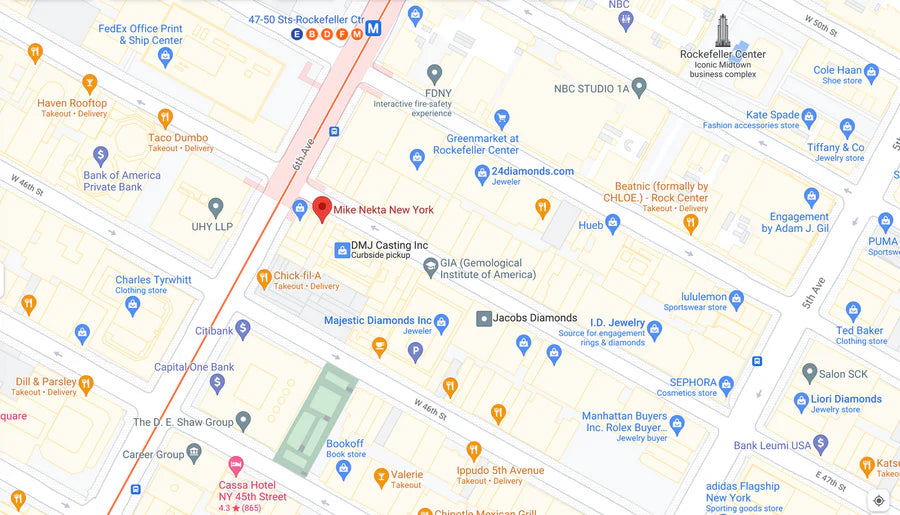
As a jeweler at Mike Nekta New York, I've seen firsthand the growing demand for lab-grown diamond rings. Clients appreciate not only the ethical aspect but also the ability to get more for their money. The quality and brilliance of these stones never fail to impress.
One memorable client wanted an engagement ring that was both unique and environmentally friendly. We designed a custom ring featuring a breathtaking lab-grown diamond centerpiece surrounded by ethically sourced gemstones. The result was a masterpiece that symbolized love and commitment without compromising on values.
How to Choose the Perfect Lab-Grown Diamond Ring
As someone who’s helped countless clients at Mike Nekta New York find their dream rings, I know how important it is to get every detail just right. Here’s my expanded step-by-step guide to picking the perfect lab-grown diamond ring—crafted with both expertise and your unique story in mind.
Step-by-Step Guide:
1. Determine Your Budget
- Assess Your Priorities: Think about what matters most—do you want the largest stone possible, or are you more concerned with design details?
- Value Comparison: One of the biggest benefits of lab-grown diamonds is that you can often choose a larger, higher-quality stone without stretching your budget as far as you would for a mined diamond.
- Don’t Forget the Setting: Allocate part of your budget for the ring setting and any custom touches.
2. Select the Diamond Shape
- Classic vs. Modern: Round brilliants are timeless, while shapes like emerald or pear offer a modern twist.
- Finger & Hand Considerations: The shape can affect how the ring sits on your hand—oval and elongated shapes can make fingers appear longer.
- Lifestyle Fit: For active lifestyles, consider shapes with rounded edges (like round or cushion) which are less prone to chipping.
3. Consider the 4 Cs
- Carat: This refers not just to size, but also to presence—think about what looks best proportionally on the hand. Lab-grown diamonds allow for flexibility; you may be able to opt for a higher carat weight than expected.
- Cut: Cut quality is crucial for brilliance and sparkle. Even a high-carat diamond can look dull if improperly cut. Look for Excellent or Ideal cuts if maximum radiance is your goal.
- Color: Most people prefer near-colorless grades (D–H), but slightly warmer tones can pair beautifully with yellow or rose gold settings. Personal preference plays a big role; some even seek out faint color for vintage charm.
- Clarity: Lab-grown diamonds typically have fewer inclusions, making it easier to find eye-clean stones at reasonable prices. Decide whether microscopic inclusions matter to you—many flaws are invisible without magnification.
4. Choose the Setting
- Solitaire: Classic and versatile, it puts all focus on your chosen diamond.
- Halo: Adds extra sparkle by surrounding the center stone with a circle of smaller diamonds—great for maximizing brilliance and visual size.
- Three-Stone: Symbolizes past, present, and future; offers opportunities for creative combinations of shapes and stones.
- Vintage-Inspired: Intricate details like milgrain edges or filigree work add character and romance.
- Durability Matters: If you work with your hands regularly, consider lower-profile settings or bezel-set stones for added security.
5. Verify Certification
A certified diamond ensures peace of mind.
- Always request grading reports from respected laboratories such as GIA (Gemological Institute of America) or IGI (International Gemological Institute).
- Certification provides unbiased verification of your stone’s quality and origin—a must when investing in fine jewelry.
6. Personal Touches
- Engravings: Mark special dates, initials, or meaningful phrases inside the band for an intimate detail only you share.
- Custom Design Elements: Choose colored accent stones, unique prong styles, or bespoke motifs that reflect personal stories or family heritage.
- Heirloom Integration: Incorporate gems from family jewelry into a new design—something I love helping clients achieve at Mike Nekta New York.
Book an Appointment with Me
If you're considering lab-grown diamond rings or any other fine jewelry piece, I'd love to help you find exactly what you're looking for! At Mike Nekta New York, we specialize in creating bespoke pieces that reflect your individual style and values.
Book an appointment with me today and let’s create something beautiful together!
Thank you for joining me on this exploration of lab-grown diamond rings. Whether you're driven by ethical considerations or simply want exceptional value without sacrificing quality, these modern marvels offer endless possibilities for stunning jewelry pieces.
Remember – when it comes to choosing your perfect ring or any other piece of fine jewelry – trust experience; trust Mike Nekta New York.