
My Experience Helping Clients Select the Perfect Sidestone Lab-Grown Ring
I’m Mike Nekta, and I’ve spent years helping people find rings that feel right the moment they put them on. Not just “pretty” or “on trend,” but personal. The kind of ring that makes you stop overthinking and start smiling.
Lately, more of my clients have been asking for sidestone lab-grown rings, and I get it. Lab-grown diamonds are a smart choice for a lot of people, and sidestones add that extra presence on the hand without forcing you into an oversized center stone you may not even want.
In this article, I’m going to walk you through what I’ve learned from real client appointments, what matters most when you’re choosing a sidestone lab-grown ring, and how I help people avoid the common mistakes that lead to regret.
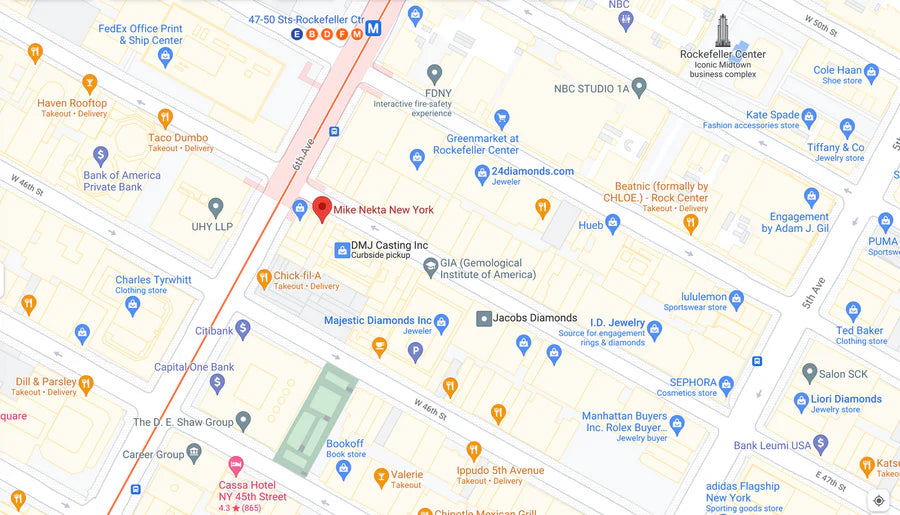
If you’re in New York, I do this every day at Mike Nekta New York, and yes, I’m happy to help you 1 on 1.
Why Sidestone Lab-Grown Rings Are Having A Moment
A sidestone ring does something simple but powerful: it frames the center stone. It gives the ring width, sparkle, and balance. When done right, it makes the center diamond look bigger and brighter, even if the carat weight stays modest.
And lab-grown diamonds have changed the conversation. Many clients walk in with a clear goal:
- They want a larger look for their budget.
- They want quality without compromise.
- They want something they feel good buying.
A lab-grown center with lab-grown sidestones can be a great setup because it lets us focus on the ring as a full design, not just a single number on a grading report.
The First Question I Ask Every Client
Before I talk about carats, cut grades, or setting styles, I ask:
“How do you want this ring to feel on your hand every day?”
That question saves people. Because a ring isn’t a photo. It’s a piece you’ll see while driving, typing, holding a coffee, traveling, meeting people, and living life.
When a client answers, I can start narrowing the right direction:
- Do you want it to feel classic and clean?
- Do you want a lot of finger coverage and sparkle?
- Do you want something low profile that doesn’t snag?
- Do you love a bold look, or do you want the diamond to whisper, not shout?
Once we know that, choosing the perfect sidestone lab-grown ring becomes a process, not a gamble.
How I Help Clients Choose The Right Sidestone Style
Not all sidestones wear the same. In appointments, I’ll usually show a few core categories and let the hand decide.
Pavé Sidestones
This is the most requested look: small diamonds set closely along the band.
Pros:
- Maximum sparkle
- Very refined and elegant
- Makes the whole ring look “lit up”
Watch-outs:
- Requires good craftsmanship so stones stay secure
- The tiniest diamonds still need clean setting and maintenance
For many people, pavé is the sweet spot between luxury and everyday wear.
Channel-Set Sidestones
Diamonds sit between two walls of metal.
Pros:
- Very secure
- Great for active lifestyles
- Smooth feel, minimal snagging
Watch-outs:
- Can read more modern
- Slightly less “flash” compared to pavé because less diamond is exposed
I recommend channel settings often when someone says, “I’m hard on jewelry, but I still want sparkle.”
Three-Stone With Side Diamonds
This can be classic three-stone, or a center with tapered side stones.
Pros:
- Strong presence
- Very balanced look
- Great symbolism if that matters to you
Watch-outs:
- Proportions matter a lot
- Side stones can overpower the center if not sized properly
Three-stone rings are one of those styles that look simple, but the design has to be precise.
Tapered Baguettes Or Step-Cut Sides
Sleek and architectural, usually paired with emerald or radiant centers.
Pros:
- Clean, high-end look
- Makes the center feel larger and more structured
- Photographs beautifully
Watch-outs:
- Step cuts show everything, including slight misalignment or windowing
- Requires careful matching and setting work
When a client wants “quiet luxury,” this is often where we land.
The Center Stone Still Runs The Show
Even with sidestones, the center diamond is the anchor. Here’s how I simplify center stone selection for sidestone lab-grown rings.
Cut Quality Is Non-Negotiable
If you want a ring that looks bright in real life, cut quality matters more than most people expect. This is true with mined diamonds and it’s true with lab-grown.
A well-cut lab-grown diamond will look lively in indoor lighting, not just under store spotlights.
When clients ask me what to prioritize, I say: cut first. Always.
Shape Should Match Your Lifestyle And Taste
Trends come and go, but your hand is your hand.
- Round: brightest and most versatile, works with almost any sidestone style
- Oval: elongates the finger, looks bigger for the carat weight, popular with pavé
- Cushion: soft, romantic, looks great with halos and pavé
- Emerald: sleek and bold, pairs beautifully with baguettes
- Radiant: sparkle of a brilliant cut with a crisp outline, great with both pavé and baguettes
If you’re torn between shapes, I usually narrow it down by asking what you notice first: sparkle, outline, or symmetry.
Proportions Matter More With Sidestones
Sidestones can make a center stone look better or worse depending on proportions.
A common mistake is choosing a center that is slightly “off” and hoping sidestones will distract from it. They won’t. Sidestones actually draw attention to the center by framing it.
So we check:
- how the center sits relative to the band width
- whether the sidestones taper correctly
- whether the ring feels balanced from every angle
Matching Sidestones The Right Way
This is where a lot of online ring builds fall short.
People assume sidestones are just “small diamonds” and they’re all the same. In real life, sidestones can look mismatched if the color, brightness, or sizing is inconsistent.
Here’s what I focus on when I’m selecting or approving sidestones for a lab-grown ring:
- Color match: sidestones should complement the center, not look warmer or icier
- Brightness match: they should sparkle similarly, not look sleepy next to a lively center
- Size consistency: especially in pavé, uneven sizing breaks the smooth line of sparkle
- Clean setting work: the metal should be neat, symmetrical, and secure
Even if your center diamond is perfect, poorly matched sidestones can make the whole ring feel “off.”
Band Width And Metal Choice: The Details That Change Everything
Clients often start with diamonds, but the band and metal decide how the ring actually wears.
Band Width
A thin band can look delicate and modern, but it changes durability and the overall look.
- Thin bands: elegant, but need smart design so they hold up over time
- Medium bands: the most balanced for daily wear
- Wider bands: bold and comfortable, but can visually reduce how big the center looks
With pavé, I’m especially careful to recommend a band width that supports the setting, not just the photo aesthetic.
Metal Choice
- Platinum: strong, naturally white, great for long-term wear
- White gold: bright white look, may require maintenance over time depending on finish
- Yellow gold: warm and classic, creates contrast that can make diamonds pop
- Rose gold: romantic and soft, but needs thoughtful pairing with diamond color
Metal is personal. I guide clients based on skin tone, wardrobe, and how they want the ring to read in real life.
What Clients Usually Regret (And How We Avoid It)
I’ve seen patterns over the years. Here are the most common regrets, and what I do to prevent them.
Regret #1: Choosing A Ring That Sits Too High
A high setting looks stunning, but if you hate snagging on sweaters or gloves, you’ll stop wearing it as often as you should.
We solve this by discussing:
- low-profile options
- basket designs that protect the center
- prong styles that reduce snagging
Regret #2: Getting Too Thin For The Sake Of “Dainty”
A thin pavé band can be beautiful, but daily wear is real wear.
I’m honest about what I’d recommend if it were my own purchase, and I build the design around longevity, not just first impressions.
Regret #3: Prioritizing Carat Over Cut
A bigger diamond that looks dull loses its magic fast.
I’d rather guide you to a diamond that performs beautifully than push you into a size that only looks good on paper.
Regret #4: Not Thinking About A Wedding Band Fit
Some sidestone rings sit flush with a band, some don’t. If you care about that clean look, we plan for it early.
This can include:
- adjusting the setting height
- choosing a band that complements the profile
- planning a contour band if needed
My Process In A Real Appointment
When you book time with me, I keep it simple and focused.
- We talk about your preferences and lifestyle
- We narrow the ring style and setting direction
- We compare lab-grown center stone options the right way
- We confirm sidestone style, band width, and metal
- We sanity-check comfort, height, and wedding band pairing
- We finalize a ring that feels like “you,” not a template
There’s no pressure to rush. The goal is clarity.
Book An Appointment With Mike Nekta New York
If you’re considering a sidestone lab-grown ring and you want real guidance, I’d love to help.
Book an appointment with me, Mike Nekta, at Mike Nekta New York, and I’ll walk you through the options, answer your questions directly, and help you land on a ring that looks right and wears right.
You can come in with screenshots, a budget, or zero idea where to start. I’ll meet you where you are and make the process simple.