
Lab-Grown or Earth-Mined? How to Choose Ethically Sourced Diamonds
As a jeweler with decades of experience, I've witnessed a remarkable shift in how people choose their diamonds. The sparkle of a diamond now carries deeper meaning - one that reflects not just beauty, but conscious choices and ethical values.
Today's diamond buyers ask questions that go beyond the traditional 4Cs. They want to know:
- Where did this diamond come from?
- What impact did its sourcing have on communities?
- How sustainable was the production process?
This growing awareness has revolutionized the jewelry industry. My clients increasingly seek diamonds that align with their values, whether they're shopping for engagement rings or special occasion pieces.
The choice between lab-grown and earth-mined diamonds represents this evolution in consumer consciousness. Each option tells a unique story about innovation, tradition, and responsibility. As your jeweler, I'm here to guide you through understanding these choices to find a diamond that matches both your style and your values.
Understanding Ethical Diamond Sourcing
As a veteran jeweler, I've witnessed the diamond industry's transformation toward ethical practices. Conflict-free diamonds represent stones that haven't funded violence, civil wars, or human rights violations. These diamonds are traced from mine to market through strict certification processes.
Ethical Challenges in Traditional Diamond Mining
Traditional diamond mining presents significant ethical challenges:
- Exploitation of workers in unsafe conditions
- Child labor in certain regions
- Environmental degradation from mining operations
- Displacement of local communities
- Limited economic benefits for mining communities
Industry Responses to Ethical Concerns
The jewelry industry has responded to these concerns through:
- Implementation of the Kimberley Process Certification
- Adoption of blockchain technology for tracking
- Partnership with responsible mining initiatives
- Investment in community development programs
The Shift in Consumer Awareness
I've noticed a remarkable shift in consumer awareness. My clients actively seek information about their diamonds' origins and impact. This growing demand for transparency has revolutionized how we source our stones.
The power of consumer choice drives positive change in the industry. When buyers prioritize ethically sourced diamonds, they:
- Support fair labor practices
- Protect vulnerable communities
- Encourage sustainable mining methods
- Promote industry-wide accountability
Our Commitment to Ethical Sourcing at Nekta New York
At Nekta New York, I ensure every diamond meets strict ethical standards through careful supplier selection and rigorous verification processes. Each stone tells a story of responsible sourcing and sustainable practices.
Lab-Grown vs. Earth-Mined: The Ethical Dilemma Unveiled
As a jeweler passionate about ethical sourcing, I've witnessed the remarkable evolution of lab-grown diamonds. These gems are created through two primary methods:
- Chemical Vapor Deposition (CVD): Diamond seeds are placed in a sealed chamber where carbon-rich gas is heated to create plasma, allowing carbon atoms to crystallize into diamonds
- High Pressure High Temperature (HPHT): Carbon is subjected to extreme pressure and temperature conditions that mirror natural diamond formation
Lab-grown diamonds have revolutionized sustainable jewelry with their minimal environmental impact. A single carat of mined diamonds requires moving approximately 1,750 tons of earth and uses about 126 gallons of water. In contrast, lab-grown diamonds reduce carbon emissions by up to 85% and require significantly less water usage.
The traceability of lab-grown diamonds sets them apart. Each stone's journey from creation to certification can be tracked with precision, providing complete transparency. Leading certification bodies like IGI and GIA now grade lab-grown diamonds using the same rigorous standards applied to natural stones.
The Environmental Impact of Traditional Diamond Mining
Traditional diamond mining involves:
- Open-pit mining: Creating large surface excavations
- Underground mining: Tunneling deep into the earth
- Alluvial mining: Extracting diamonds from riverbeds and coastal areas
These methods can lead to:
- Habitat destruction
- Soil erosion
- Water pollution
- Displacement of local communities
Limitations of the Kimberley Process Certification
The Kimberley Process certification aims to prevent conflict diamonds from entering the market. Yet, this certification focuses solely on preventing diamond sales that fund conflicts, leaving gaps in addressing broader environmental and labor concerns.
Shifting Preferences Among Clients
I've seen growing interest in both options among my clients. While some value the traditional allure of earth-mined diamonds, others prioritize the guaranteed ethical sourcing of lab-grown stones. The choice often reflects personal values regarding environmental impact and social responsibility.
Comparing Lab-Grown and Mined Diamonds from an Ethical Perspective
As a jeweler with decades of experience, I've witnessed the evolving landscape of diamond sourcing. Let me break down the key differences between lab-grown and mined diamonds to help you make an informed decision:
Ethics and Transparency
- Lab-grown diamonds offer complete traceability from creation to market
- Mined diamonds require extensive verification processes
- Canadian-sourced diamonds provide documented ethical practices
- Both options can be ethical when properly sourced and certified
Environmental Considerations
Lab-grown diamonds:
- Minimal land disruption
- Controlled water usage
- Renewable energy options
Mined diamonds:
- Significant land impact
- Higher water consumption
- Rehabilitation efforts required
Cost Analysis
- Lab-grown diamonds cost 20-40% less
- Natural diamonds maintain stronger resale value
- Price gap continues to evolve with technology advancement
Quality Comparison
- Both types are chemically identical
- Same grading standards apply (Cut, Color, Clarity, Carat)
- Equal durability and brilliance
- Identical appearance to the naked eye
Common Misconceptions
- Lab-grown diamonds are not fake or synthetic
- Mined diamonds aren't always unethical
- Both options require proper certification
- Investment value varies but doesn't affect quality
I've seen many clients struggle with these choices. The truth is, both options can align with ethical standards when sourced responsibly. Your personal values and priorities will guide the best choice for your specific situation.
Making an Informed Choice for Your Ring
Selecting an ethical engagement ring requires careful consideration of both personal values and practical factors. Here's what I recommend my clients focus on when making this important decision:
1. Personal Values Assessment
- Evaluate your stance on environmental conservation
- Consider your feelings about traditional mining practices
- Reflect on your budget priorities and long-term investment goals
- Think about the story you want your ring to tell
2. Certification Requirements
For lab-grown diamonds:
- IGI or GIA certification detailing the stone's specifications
- Documentation of the creation process
- Quality grading reports
For mined diamonds:
- Kimberley Process certification
- Country of origin documentation
- Chain of custody verification
At Nekta New York, I guide clients through each option's nuances, ensuring they understand the unique characteristics of their chosen stone. My expertise includes:
- Detailed explanations of certification documents
- Side-by-side comparisons of similar stones
- Custom design possibilities for eco-friendly rings
- Access to extensive networks of ethical suppliers
I believe in empowering clients with knowledge about sustainable jewelry choices. Each consultation includes a thorough examination of available options, helping you select an ethical engagement ring that aligns with your values while maintaining the highest quality standards.
Book Your Appointment with Mike Nekta for Expert Guidance on Ethical Diamond Sourcing!
I invite you to experience personalized diamond sourcing guidance at Nekta New York. During our one-on-one consultation, I'll help you navigate the intricate world of ethical diamonds, whether lab-grown or earth-mined, to find the perfect stone that aligns with your values and vision.
Your diamond should tell a story of beauty and responsibility. Together, we'll explore:
- Detailed comparisons of ethically sourced options
- Certification verification and transparency
- Custom design possibilities
- Expert insights on quality and value
📞 Call (212) 921-4647
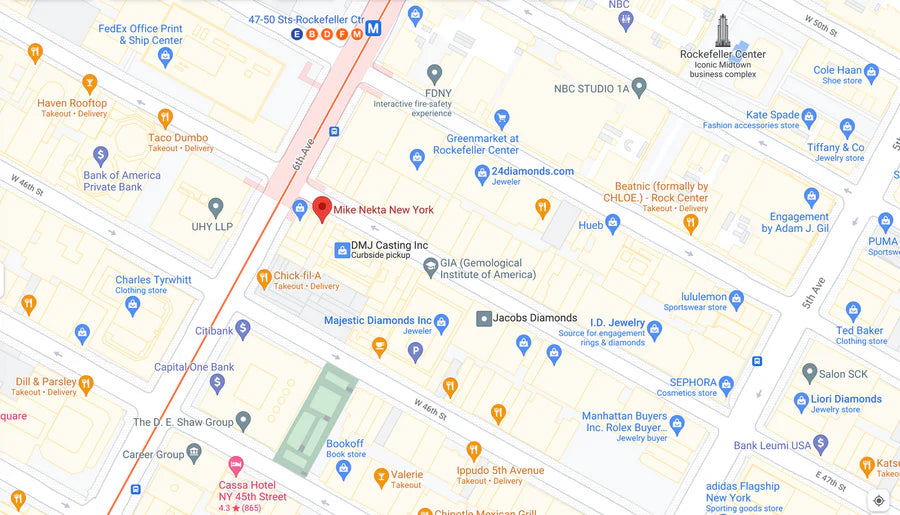
📍 74 West 47th Street New York, NY 10036
Available for virtual consultations and in-person appointments
Trust your ethical diamond search to a name that's served New York's diamond district for generations. Let's create something beautiful—responsibly.