
Diamond Engagement Ring Care: How to Protect Your Investment
As a diamond expert with decades of experience, I've seen countless stunning engagement rings lose their sparkle due to improper care. Your diamond engagement ring represents a precious symbol of love - it's also a significant investment that deserves meticulous attention.
I'm passionate about helping my clients protect their cherished pieces. A well-maintained diamond ring will retain its brilliance and value for generations. The right care routine makes all the difference between a ring that dazzles for decades and one that shows premature wear.
This guide shares my expert knowledge on:
- Essential daily care practices
- Professional maintenance tips
- Proper cleaning techniques
- Setting protection strategies
- Insurance considerations
Your diamond engagement ring deserves the same dedication you give to your relationship. Let me show you how to preserve its beauty and protect your investment for years to come. These proven care methods will keep your ring as radiant as the day you first slipped it on your finger.
Understanding Your Diamond Engagement Ring
As a diamond expert, I've seen many clients amazed by the durability of diamonds. Your diamond engagement ring ranks a perfect 10 on the Mohs scale - the highest level of hardness for any natural substance. This exceptional hardness means your diamond resists scratching from most materials.
Yet, diamonds aren't indestructible. I've noticed specific vulnerabilities that require attention:
- Blemishes and Inclusions: These internal characteristics can create weak points, particularly when located near the girdle (the diamond's outer edge)
- Delicate Cuts: Certain shapes need extra care:
- Princess cuts: vulnerable corners
- Marquise cuts: pointed ends
- Pear shapes: delicate tips
- Heart shapes: cleft points
The girdle thickness plays a crucial role in your diamond's protection. I recommend medium to slightly thick girdles for optimal durability. Too thin, and the diamond becomes susceptible to chipping; too thick, and it affects the stone's brilliance.
Your diamond's cut affects its vulnerability. A well-executed cut balances beauty with durability, ensuring your ring maintains its stunning appearance while withstanding daily wear.
Daily Care Tips for Your Diamond Ring
I've seen many clients unknowingly damage their diamond rings through everyday activities. Your ring needs protection during specific daily tasks to maintain its pristine condition.
Remove your ring during these activities:
- Heavy exercise and sports
- Gardening or yard work
- Household cleaning
- Swimming (chlorine can damage settings)
- Showering (soap buildup dulls sparkle)
- Sleeping (prongs can catch on bedding)
Safe Storage Guidelines:
- Keep your ring in a dedicated padded box
- Use soft pouches for travel storage
- Store separately from other jewelry pieces
- Choose velvet or silk-lined containers
- Place boxes in a secure location away from heat and humidity
I recommend establishing a consistent routine for removing and storing your ring. Place small ring dishes in strategic locations - by your kitchen sink, in your bathroom, and near your bedside. This creates convenient, safe spots for temporary storage during daily activities that could harm your precious diamond.
Checking and Maintaining the Setting
As a jeweler with decades of experience, I've seen countless diamond rings compromised by loose settings. Your ring's prongs serve as the guardians of your precious stone, requiring regular inspection to maintain their protective role.
Essential Prong Maintenance:
- Check each prong for signs of wear or bending
- Look for any gaps between the prongs and diamond
- Test for movement by gently tapping the stone's sides
- Watch for sharp edges that could snag clothing
Different settings offer varying levels of protection for your diamond. A six-prong setting creates a secure grip that maintains stability even if one prong fails. Bezel settings wrap the diamond's girdle in a protective metal rim, providing maximum security against impacts and snags.
Four-prong settings, while popular for their minimalist appeal, offer less protection. I recommend these settings only for round diamonds, as fancy shapes need additional support points to prevent chipping.
I inspect my clients' rings under magnification to spot early warning signs of wear. This detailed examination reveals issues invisible to the naked eye - from microscopic cracks to subtle metal fatigue that could lead to future problems.
Cleaning Your Diamond Engagement Ring Safely at Home
I've seen many clients damage their precious rings using harsh cleaning methods. Let me share my proven, safe cleaning techniques for your diamond engagement ring at home.
Safe Cleaning Steps:
- Fill a small bowl with warm water
- Add a few drops of mild dish soap
- Soak your ring for 15-20 minutes
- Gently brush with a soft-bristled toothbrush
- Rinse thoroughly under running water
- Pat dry with a lint-free cloth
Important Safety Notes:
- Never use bleach, chlorine, or abrasive cleaners
- Avoid steam cleaners which can loosen settings
- Skip household cleaners that might damage the metal
For those considering ultrasonic cleaners - these devices are safe only for untreated diamonds in solid gold or platinum settings. If you're unsure about your diamond's treatment status, stick to the gentle soap method.
A weekly cleaning routine using these safe methods will keep your ring sparkling between professional cleanings. The key is consistency with gentle care rather than aggressive cleaning attempts.
Professional Cleaning and Maintenance
As a professional jeweler, I've seen how regular expert maintenance can dramatically extend the life and beauty of diamond engagement rings. While home cleaning is essential, professional cleaning services offer specialized techniques and equipment that achieve a deeper level of brilliance.
Our professional cleaning process includes:
- Ultrasonic cleaning with specialized solutions
- High-pressure steam cleaning for stubborn residues
- Detailed inspection under magnification
- Professional polishing of the metal setting
During these maintenance visits, we perform crucial safety checks:
- Prong Security: We test each prong's grip on your diamond
- Setting Integrity: We examine for wear or metal fatigue
- Diamond Surface: We inspect for any chips or damage
- Metal Wear: We assess the overall condition of your ring's metal
I recommend scheduling professional cleaning every 6 months. This schedule allows us to catch potential issues before they become serious problems. Many of my clients are amazed at how their rings look brand new after each professional cleaning session - the sparkle and fire of their diamonds fully restored to their original brilliance.
Insurance and Appraisal Considerations for Your Diamond Engagement Ring Investment
I always advise my clients to protect their diamond engagement rings through proper insurance coverage. A diamond ring represents both emotional and financial value - losing it can be devastating on both fronts.
The Importance of Professional Appraisal
The first step is obtaining a professional appraisal based on a GIA certification or equivalent grading report. This detailed documentation captures:
- Current market value
- Diamond specifications (4Cs)
- Setting details
- Unique identifying characteristics
Exploring Insurance Options
Insurance options include:
- Adding to your homeowner's/renter's policy
- Specialized jewelry insurance
- Standalone valuable items coverage
Each policy type offers different protection levels for:
- Theft
- Accidental loss
- Damage
- Mysterious disappearance
Keeping Your Coverage Up-to-Date
I recommend reviewing your insurance coverage annually and updating your appraisal every 2-3 years to reflect current market values. Diamond prices fluctuate, and your coverage should match your ring's actual replacement cost.
Pro tip: Keep detailed photos and documentation of your ring in a secure location separate from where you store the ring itself.
Proper Sizing and Resizing Advice for Your Diamond Ring
As a jeweler with decades of experience, I've seen how finger sizes naturally fluctuate throughout life. Weight changes, pregnancy, aging, and even seasonal temperature variations can affect how your ring fits. A properly sized ring should slide over your knuckle with slight resistance and feel snug but comfortable at the base of your finger.
Here are key signs your ring needs resizing:
- Ring spins freely on your finger
- Difficulty removing the ring
- Red marks or indentations on your skin
- Ring slides off without resistance
I strongly recommend professional resizing by an experienced jeweler such as me, Mike Nekta. DIY solutions like ring guards or silicone adjusters can damage your ring's setting and compromise the security of your diamond. During resizing, we carefully:
- Assess the ring's metal type and current condition
- Protect the diamond and accent stones
- Maintain the ring's structural integrity
- Preserve any special details or engravings
The ideal fit allows your ring to stay centered on your finger while protecting your valuable investment from accidental loss or damage.
Protecting Your Diamond Ring Investment
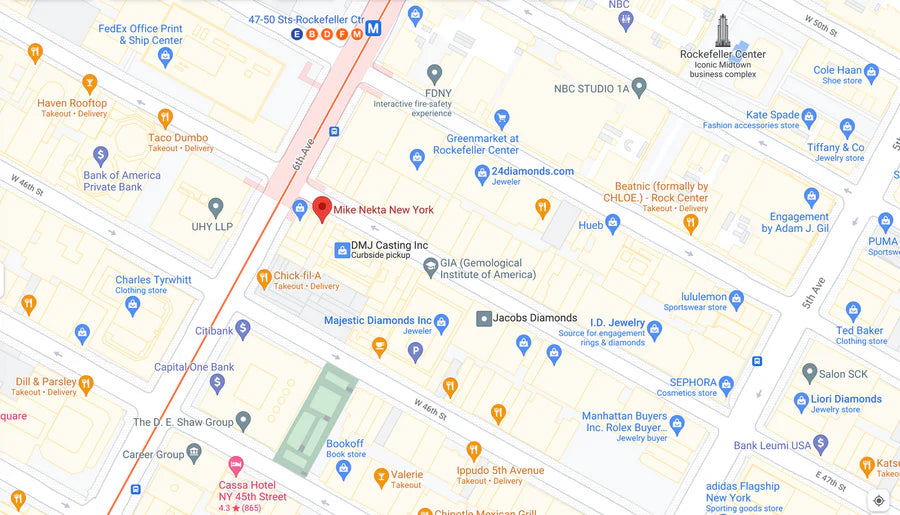
Your diamond engagement ring symbolizes a precious commitment - its care deserves expert attention. I invite you to visit my Nekta New York showroom, where my team and I provide professional cleaning, maintenance checks, and personalized care advice to keep your ring sparkling for generations.
Ready to protect your diamond ring investment?
- Schedule a cleaning and inspection
- Get expert resizing services
- Receive a professional appraisal
- Learn proper at-home care techniques
Book your diamond care consultation today. Your ring's beauty and security are my priority - let me help you preserve this cherished symbol of love.