
How to Choose the Perfect Ruby for Your Jewelry
If you’ve ever shopped for a ruby, you already know the truth: two stones can look “pretty similar” at first glance, then end up miles apart in value, durability, and real-life beauty.
I’m Mike Nekta in New York, and I’ve spent years helping people choose gemstones that actually hold up to daily wear and still look incredible years later. Rubies are one of my favorites, but they’re also one of the easiest stones to buy wrong if you don’t know what to prioritize.
In this guide, I’ll walk you through exactly how I think about ruby selection for jewelry, what matters most, what to ignore, and how to avoid common traps.
Start With the One Question That Matters Most
Before you compare color grades or lab reports, answer this:
What kind of jewelry is this ruby going into, and how often will you wear it?
A ruby for an engagement ring needs different priorities than a ruby for a pendant you wear a few times a year.
Here’s how that affects decisions:
- Daily wear (rings, bracelets): durability, cut quality, and protection in the setting matter a lot.
- Occasional wear (earrings, pendants): you can be a bit more flexible on cut and durability concerns.
- Collector piece: origin, rarity, and documentation can matter as much as the “look.”
Once you’re clear on the purpose, it becomes much easier to choose the right ruby instead of chasing a “perfect” stone that doesn’t fit your lifestyle.
Ruby 101: What You’re Actually Buying
A ruby is corundum colored red by chromium. On the Mohs scale, ruby is a 9, which is why it’s popular for rings.
But hardness is not the whole story. Rubies can still chip if they’re:
- cut with thin edges
- worn in exposed settings
- hit at the wrong angle
So yes, ruby is tough, but it still needs smart selection and a smart setting.
The Four Factors I Use to Judge a Ruby (In Order)
Most people have heard “the 4 Cs,” but rubies don’t behave like diamonds. When I’m helping someone choose a ruby, here’s my actual priority list:
- Color
- Clarity (and type of inclusions)
- Cut (how it performs in light)
- Carat weight (size)
Size is last for a reason. A larger ruby with weak color looks cheaper than a smaller ruby with strong color almost every time.
1) Color: The Make-or-Break Factor
Color is the main reason rubies are valued. When I’m evaluating color, I look at three things:
Hue: Is it Truly Red?
The best rubies are primarily red. Some rubies lean:
- purplish red
- orangish red
- pinkish red (sometimes marketed as ruby, but can drift into pink sapphire territory depending on grading standards)
If you want that classic ruby look, aim for a pure red to slightly purplish red.
Tone: Too Dark Is a Common Problem
Tone is how light or dark the ruby is.
A ruby that’s too dark can look:
- blackish indoors
- flat and lifeless in low light
A ruby that’s too light can look:
- pink
- less “ruby-like”
- less valuable (in many markets)
I usually aim for a medium to medium-dark tone that stays red in normal indoor lighting.
Saturation: The “Glow” People Fall in Love With
Saturation is the intensity of the color. High saturation is what makes a ruby look rich instead of watery.
My practical advice: don’t judge a ruby only under showroom spotlights. View it in:
- natural daylight (near a window)
- indoor ambient light
- softer warm lighting (restaurant-type lighting)
A ruby that holds its color across lighting conditions is the one you’ll enjoy long-term.
2) Clarity: What’s Normal in Ruby (and What’s Not)
Rubies are often included. In fact, perfectly clean rubies can be a red flag depending on the context, because many natural rubies have some inclusions.
What matters is:
- Are inclusions visible to the naked eye?
- Do they reduce brilliance?
- Do they affect durability?
Inclusions That Can Be Totally Fine
Some inclusions are acceptable, and in the right stone they don’t bother me at all:
- fine silk (can even help with a soft “glow”)
- small crystals that don’t break the surface
- minor internal features that aren’t centered and don’t block light
Inclusions That Make Me Cautious
I’m more cautious when I see:
- surface-reaching fractures (durability issue)
- large central inclusions (visual and value issue)
- heavy cloudiness that dulls the stone
If you’re buying for a ring, I’m stricter. A ring takes hits. The wrong inclusion can become a future problem.
3) Cut: The Most Underrated Thing in Ruby Buying
Ruby rough is expensive, so cutters often try to save weight. That leads to stones that are technically bigger, but don’t perform well.
Two common issues:
Windowing
This is when the center looks see-through, like a window. You lose richness and depth.
Extinction
This is when parts of the stone go dark and stay dark, especially when you tilt it.
A well-cut ruby should:
- return light evenly
- show consistent color face-up
- look lively in normal indoor lighting
If you’re shopping online, I recommend requesting a video in neutral light and asking directly about windowing. If the seller avoids the question, move on.
4) Carat Weight: Don’t Pay for Size You Can’t See
Ruby pricing jumps dramatically at certain size thresholds, like:
- 1.00 ct
- 2.00 ct
- 3.00 ct and beyond
Here’s the thing: two rubies can weigh the same but look different in size because of depth and cut style.
I like to evaluate size using:
- millimeter measurements (length and width)
- how it looks face-up in the intended setting
Sometimes a 0.90 ct ruby with strong cut and great spread looks better than a 1.10 ct ruby cut too deep.
Natural vs Lab-Grown Ruby: How I Explain It
This depends on your goals and budget.
Natural Ruby
Pros:
- rarity
- long-term value retention (in many cases)
- origin and story (especially if documented)
Cons:
- higher cost for top color and quality
- treatments are common and must be understood
Lab-Grown Ruby
Pros:
- budget-friendly for size
- can be very clean and vivid
- great option for fashion jewelry
Cons:
- not rare
- resale value is usually lower
- some lab stones can look “too perfect” depending on preference
If you want a once-in-a-lifetime piece and you care about rarity, natural makes sense. If you want big visual impact on a budget, lab-grown can be the right choice.
Treatments: What You Must Know Before You Buy
Treatments aren’t automatically “bad,” but you need to know what you’re paying for.
Heat Treatment (Common and Generally Accepted)
Heat can improve color and clarity. This is widely accepted in the market.
A heated ruby can still be an excellent purchase, and many high-end rubies are heated.
Fracture Filling (I’m More Careful Here)
Some rubies are filled with glass or other substances to improve appearance. These stones are cheaper, but there are tradeoffs:
- durability concerns
- sensitivity to heat during repairs
- special care requirements
- value is significantly lower than unfilled rubies
If you’re buying a ruby ring you plan to wear often, I strongly prefer avoiding heavily filled stones.
My rule: if the price seems too good for the size and color, ask about filling immediately.
Origin: Does “Burmese” or “Mozambique” Actually Matter?
Origin can matter, but I don’t like when origin becomes marketing.
Historically, Myanmar (Burma) is famous for top rubies, especially stones associated with “pigeon blood” color in certain grading systems. Mozambique also produces beautiful rubies and has become a major source in the market. Sri Lanka, Thailand, Madagascar, and others contribute as well.
Here’s how I treat origin in real life:
- If two rubies look identical, origin can affect price.
- If one ruby looks better to your eye, I’ll pick the better-looking ruby even if the origin is less “famous.”
- If you care about collecting, documentation and origin verification become more important.
The Setting Matters More Than Most People Think
A ruby can look better or worse depending on how it’s set.
Best Metals for Ruby
- Yellow gold: enhances warmth and richness
- Platinum/white gold: gives contrast and a crisp, high-end look
- Rose gold: can be beautiful, but it can push some rubies toward a pinker look
Protective Settings I Often Recommend for Rings
- bezel or partial bezel
- halos (also adds visual size)
- prongs that protect corners (especially for oval, pear, cushion cuts)
If you’re hard on your hands, the setting choice is not optional. It’s part of choosing the “right” ruby.
A Simple Ruby Buying Checklist I Use With Clients
If you want a quick filter, use this:
- Looks red in normal indoor light, not just under spotlights.
- No obvious window in the center when viewed face-up.
- Inclusions don’t threaten durability (no major surface-reaching fractures for rings).
- Treatment is disclosed clearly and in writing.
- You have a lab report for meaningful purchases.
- Measurements make sense for the carat weight.
- Return policy is clear if buying remotely.
Lab Reports: What I Prefer to See
For higher-value rubies, I like seeing reports from well-known gem labs. The lab report can help confirm:
- natural vs lab-grown
- treatment indications (heat, filling)
- sometimes origin (depending on the lab and evidence)
A report doesn’t replace a good eye, but it adds protection and clarity, especially when the purchase is significant.
What “Pigeon Blood” Really Means (And Why I Don’t Chase the Label)
“Pigeon blood” is a trade term used in the ruby world, and it can mean different things depending on the lab or seller. Some use it loosely. Some use it only with strict criteria.
I’m not against the term, but I don’t buy the label. I buy the stone.
If a ruby has:
- strong, vivid red color
- balanced tone
- attractive clarity
- excellent light performance
That’s the ruby you want, whether or not someone stamped a romantic phrase on it.
Common Mistakes I See People Make
Buying under jewelry store lighting only
Spotlights can make average stones look amazing. Always check in neutral light.
Overpaying for carat weight
Bigger is not automatically better in ruby.
Ignoring treatments
If you don’t ask, you can end up with a stone that requires special care and has lower value.
Choosing a fragile cut for a ring
Thin edges and exposed corners are a recipe for damage.
Not matching the ruby to the wearer
A ruby ring for someone who works with their hands should be chosen and set differently than a ruby ring for someone who wears it occasionally.
My Practical Recommendation: Pick the Best “Face-Up” Ruby You Can
If you remember one thing from this guide, make it this:
A ruby is a visual gemstone. Buy what looks rich, alive, and red in real-world lighting, with treatments and durability that match your lifestyle.
Everything else is secondary.
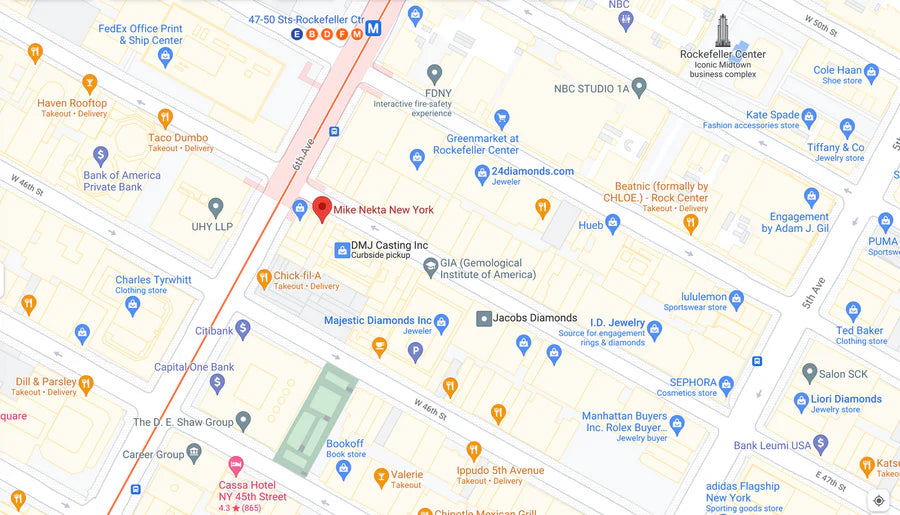
Book an Appointment With Me (Mike Nekta New York)
If you want help choosing a ruby for an engagement ring, anniversary gift, or custom jewelry piece, I can walk you through options based on your budget and the look you’re after.
Book an appointment with me, Mike Nekta, in New York, and I’ll help you compare stones the right way, explain treatment and value differences clearly, and make sure you end up with a ruby you’ll be proud to wear for years.