
How to Choose the Perfect Cushion Cut Diamond Ring
As someone who has spent decades helping clients find their dream engagement rings, I have a special fondness for cushion cut diamonds. These romantic stones beautifully combine vintage charm with modern brilliance, striking the perfect balance between classic elegance and contemporary sparkle. With their soft, pillow-like shape and rounded corners, cushion cut diamonds have captivated couples for generations, making them one of the most popular choices for engagement rings today.
Choosing the perfect cushion cut diamond ring goes beyond simply picking out a pretty stone—it's crucial to understand the subtle differences that set an exceptional diamond apart from an average one. Factors such as proportions, clarity grade, and setting choice can greatly affect both the appearance and value of your investment.
In this detailed engagement ring guide, I'll share everything you need to know about selecting the ideal cushion cut diamond ring. From exploring shape variations and ideal proportions to determining the right color grade for your setting, you'll gain the insights necessary to make a confident decision that you'll treasure forever.
Understanding Cushion Cut Diamonds
I've spent years working with cushion cut diamonds, and their rich history never ceases to fascinate me. These cushion cut diamond characteristics date back to the 1700s, making them one of the oldest diamond shapes still popular today. Originally known as "old mine cuts," they were the standard for diamond cutting before modern technology revolutionized the industry.
What Makes Cushion Cuts Unique?
What makes cushion cuts instantly recognizable is their distinctive pillow-like appearance—a soft square or rectangular shape with gently rounded corners. Unlike the sharp angles of princess cuts, these curves give the stone a romantic, vintage appeal that many of my clients find irresistible.
The Story Behind Cushion Cut Facets
The cushion cut facets tell an interesting story of evolution. Modern cushion cuts typically feature 58-64 facets arranged in a pattern that bridges two worlds: the chunky, bold flashes of vintage diamond cuts and the brilliant sparkle of contemporary designs. This unique facet structure creates what we call "crushed ice" or "chunky" patterns, depending on the cutting style.
Why Are Cushion Cuts Gaining Popularity?
I've noticed a remarkable resurgence in cushion cut popularity over the past decade. My clients are drawn to them for several compelling reasons:
- The perfect blend of vintage charm and modern brilliance
- Exceptional fire and light dispersion that rivals round brilliants
- A distinctive look that stands out from traditional engagement rings
- The romantic, soft aesthetic that photographs beautifully
Celebrity endorsements haven't hurt either—when high-profile engagements feature cushion cuts, I see an immediate spike in interest at my New York showroom.
Key Factors to Consider When Choosing a Cushion Cut Diamond Ring
When I help clients select cushion cut diamonds in my New York showroom, I always start with the fundamentals that separate an exceptional stone from a mediocre one. The cushion cut family includes three distinct variations:
- Modified Brilliant: featuring extra facets for enhanced sparkle
- Old Miner Cut: with larger facets for a vintage aesthetic
- Modern Cushion Cut: balancing contemporary brilliance with classic appeal
Length to Width Ratio
The cushion cut length to width ratio dramatically affects how your diamond appears on the hand. I recommend ratios between 1.00-1.05 for clients seeking a squarish appearance, while those preferring a rectangular look should target 1.15-1.20. I specifically advise avoiding ratios between 1.06-1.10—these create an awkward, neither-square-nor-rectangular appearance that lacks visual harmony.
Depth Percentage and Table Percentage
The cushion cut depth percentage plays a critical role in light performance. I look for stones with depth percentages between 65%-69% and table percentages of 60%-65%. These proportions allow light to reflect optimally through the pavilion, maximizing brilliance and fire.
Polish and Symmetry Ratings
Polish and symmetry ratings deserve equal attention. I never recommend anything below Very Good, and I prefer Excellent ratings when available. These grades ensure the facets meet precisely and the surface maintains optimal light reflection—details that separate stunning cushion cuts from disappointing ones.
Color Considerations Based on Setting Metal
When helping clients choose the perfect cushion cut diamond ring, I always emphasize how critical the relationship between diamond color and metal choice is. Cushion cuts tend to show more color than brilliant rounds because of their larger, open tables and deeper pavilions. This characteristic isn't a flaw—it's simply part of understanding how to maximize your investment.
For White Gold or Platinum Settings
For white gold or platinum settings, I recommend sticking with H color grade or better. These near-colorless diamonds maintain a crisp, icy appearance against white metals. I've seen countless clients try to save money by dropping to I or J with white gold, only to notice a faint warmth that detracts from the ring's brilliance.
For Yellow or Rose Gold Settings
The story changes completely with yellow or rose gold settings. Here's where smart buyers gain flexibility: J or K color grades work beautifully because the warmer metal tones actually complement and mask slight yellow tints in the diamond. I've set stunning K-color cushion cuts in rose gold that appear completely colorless to the naked eye—saving clients thousands while delivering exceptional beauty.
The key to choosing the perfect cushion cut diamond ring lies in matching your cushion cut diamond color grade strategically to your preferred metal.
Clarity and Its Impact on Appearance and Value
When I'm helping clients select their cushion cut diamond clarity grade, I always emphasize one crucial reality: the large facets and open table of cushion cuts make inclusions significantly more visible compared to other diamond shapes. This architectural feature, while beautiful for light performance, means you need to be more selective about clarity.
I've found that eye-clean diamonds at VS2 or SI1 clarity grades offer the sweet spot between value and appearance. These grades provide stones without visible imperfections when viewed with the naked eye, yet they cost considerably less than higher clarity grades like VVS2 or VVS1. During my consultations in New York, I use a loupe to show clients the difference—many are surprised to discover that VS2 diamonds appear flawless without magnification.
The key is understanding what "eye-clean" actually means. I examine each diamond individually, because not all SI1 grades are created equal. Some SI1 cushion cuts have inclusions positioned near the edges where they're virtually invisible, while others have central inclusions that catch the eye immediately. This is why I never recommend buying a cushion cut diamond without seeing detailed imagery or video first.
For those working with tighter budgets, SI2 clarity can occasionally work if the stone passes my eye-clean test. I've sourced stunning SI2 cushion cuts where inclusions are white or positioned strategically, making them invisible during normal wear. The savings here can be substantial—sometimes allowing you to upgrade carat weight or color grade instead.
Budgeting Your Purchase: Price Considerations for Cushion Cut Diamonds
I've helped countless clients discover that cushion cut diamonds offer exceptional value compared to other shapes. The price difference is substantial—cushion cuts typically cost 20-30% less per carat than comparable round brilliant diamonds. This pricing advantage stems from market demand rather than quality, making cushions an intelligent choice for budget-conscious buyers seeking maximum impact.
When I conduct a cushion cut diamond price comparison with my clients, they're often surprised by what their budget can achieve. A 2-carat cushion cut diamond might cost the same as a 1.5-carat round brilliant with similar specifications. This difference becomes even more pronounced as carat weight increases, allowing you to select a more impressive stone without stretching your finances.
The beauty of cushion cuts lies in their ability to deliver stunning visual presence at various price points. I've worked with clients who wanted affordable engagement rings without compromising on size or quality. A well-proportioned 1.5-carat cushion cut with VS2 clarity and H color can create remarkable impact while staying within a modest budget.
Carat weight does affect pricing exponentially—jumping from 0.90 to 1.00 carats creates a noticeable price increase. However, cushion cuts maintain their cost advantage across all weight categories. I often recommend considering stones just below popular carat weights (like 0.95 instead of 1.00) to maximize savings without sacrificing visual appeal.
Choosing the Right Setting for Your Cushion Cut Ring
The setting you choose plays a crucial role in showcasing your cushion cut diamond's unique character. I've helped countless clients in New York discover that the right setting doesn't just hold the stone—it transforms the entire ring into something extraordinary.
Solitaire Settings: Timeless Elegance
A solitaire setting cushion diamond remains one of the best settings for cushion cut rings when you want the focus entirely on the stone itself. The four-prong setting allows maximum light to enter the diamond from all angles, enhancing its natural brilliance. I particularly recommend six-prong settings for cushion cuts larger than 2 carats, as they provide additional security while maintaining that clean, unobstructed view.
Halo Settings: Maximum Sparkle
Halo settings create stunning visual impact by surrounding your cushion cut with smaller accent diamonds. This design choice makes the center stone appear larger while adding extra sparkle. The rounded corners of cushion cuts naturally complement the circular halo design, creating a harmonious flow that catches light from every direction.
Vintage-Inspired Designs
Given the cushion cut's historical roots, vintage-inspired settings with milgrain detailing and intricate metalwork beautifully honor the stone's heritage. These settings often feature delicate filigree work along the band, creating an heirloom-quality piece that speaks to both tradition and personal style.
Three-Stone Settings
Pairing your cushion cut with two side stones—whether smaller cushions, baguettes, or trapezoids—creates a balanced, sophisticated look. This arrangement works exceptionally well for rectangular cushion cuts, as the elongated shape naturally draws the eye across the entire setting.
Metal Selection Matters
The metal you choose impacts both durability and appearance. Platinum offers maximum durability and a naturally white finish that won't fade. 14k white gold provides excellent value with similar aesthetics, while yellow or rose gold settings complement lower color grades beautifully, as I mentioned in the color section.
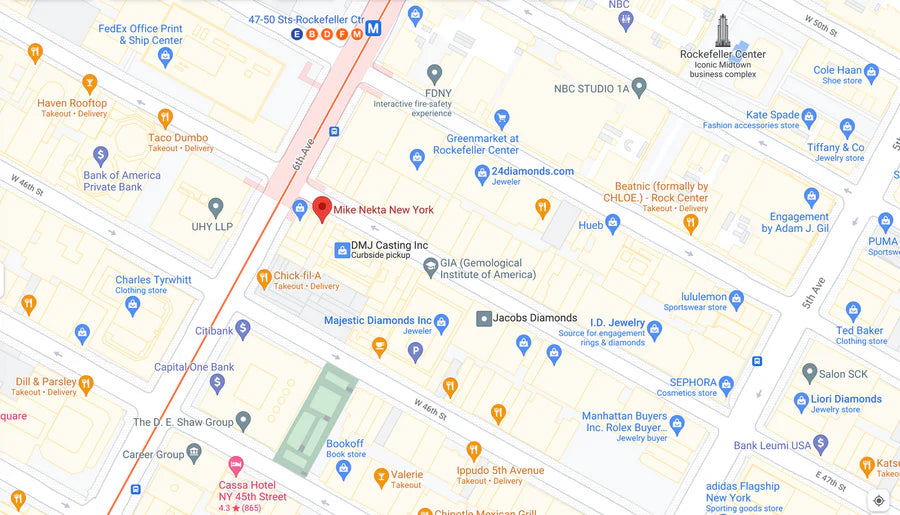
When you're ready to choose the perfect cushion cut ring, I invite you to book an engagement ring appointment in New York with me. During our consultation, we'll explore various settings in person, allowing you to
Book an Appointment With Me, Mike Nekta
Ready to choose the perfect cushion cut ring that reflects your unique love story? I invite you to schedule an engagement ring appointment in New York at my showroom, where I'll provide an expert diamond consultation tailored to your vision and budget.
During our session, I'll guide you through:
- Selecting from the best settings for cushion cut rings, including timeless solitaire setting cushion diamonds and brilliant halo designs
- Evaluating proportions, color, and clarity to ensure exceptional value
- Exploring how rounded corners offer durability advantages for everyday wear
Book your appointment with Mike Nekta today and experience personalized service that makes finding your ideal cushion cut diamond ring effortless and memorable.