
How to Care for and Maintain Your Lab-Grown Diamond Bracelet
I've watched lab-grown diamond bracelets become one of the most popular jewelry pieces in my New York City showroom. These beautiful pieces have the same brilliance as mined diamonds, but they cost much less—making luxury affordable for more people.
The popularity of lab grown diamond bracelets isn't just because they're cheaper. Today's consumers care about the environment and want to know their jewelry was made sustainably, without harming the planet. Many of my clients have told me they feel good wearing something beautiful that matches their values.
Here's something many new owners don't know: taking care of lab-grown diamonds is just as important as taking care of any valuable jewelry. Your bracelet may be scientifically identical to a mined diamond piece, but without proper lab-grown diamond bracelet care, even the most brilliant stones can lose their sparkle. I've seen too many stunning pieces come into my workshop looking dull and neglected when simple maintenance could have kept them beautiful.
Understanding Lab-Grown Diamonds and Their Durability
When I work with clients at my New York City studio, one of the first questions they ask about lab-grown diamonds is whether they're as durable as their mined counterparts. The answer is straightforward: lab-grown diamonds possess identical physical properties to natural diamonds because they share the same crystal structure and chemical composition—pure carbon arranged in a cubic crystal lattice.
The Mohs scale hardness rating of 10 places lab-grown diamonds at the absolute peak of mineral hardness. This rating isn't just a number; it means your bracelet can withstand the constant friction and contact that comes with daily wear. From typing on keyboards to accidentally brushing against walls or tables, your lab-grown diamond bracelet maintains its pristine surface where softer gemstones would show visible wear within months.
Lab-grown diamonds durability matches mined diamonds in every measurable way:
- Scratch resistance: Only another diamond can scratch a lab-grown diamond
- Tensile strength: Resistant to breaking under pressure or impact
- Chemical stability: Unaffected by household chemicals and environmental exposure
- Thermal conductivity: Maintains structural integrity across temperature variations
Bracelets face unique challenges compared to rings or earrings. Your wrist moves constantly throughout the day, creating repeated contact with surfaces, clothing, and other objects. This constant motion makes scratch resistance particularly crucial. I've seen countless bracelets come through my workshop, and the lab-grown diamond pieces consistently maintain their brilliance because of their exceptional hardness rating.
Daily Care Tips for Your Lab-Grown Diamond Bracelet
I've learned through years of working with diamond jewelry that establishing a consistent daily care routine makes all the difference in preserving your bracelet's brilliance. The most effective strategy starts before you even put on your bracelet—apply all body products first. Lotions, perfumes, sunscreens, and hair products contain oils and chemicals that create a film on diamond surfaces, gradually diminishing their sparkle. I always tell my clients to think of this as a "beauty products first, jewelry last" rule.
Your bracelet needs protection during physical activities. I recommend removing it before:
- Exercise sessions where impact or equipment contact could damage settings
- Swimming, particularly in chlorinated pools that can affect metal components
- Gardening and household chores involving chemicals or rough materials
- Sleep, to prevent accidental snagging or unnecessary pressure
After each wear, I take a moment to gently wipe my diamond pieces with a soft, lint-free cloth. This simple habit removes perspiration, dust, and microscopic particles that settle beneath the stones, preventing buildup that dulls their fire and brilliance.
Proper Storage Techniques to Prevent Damage
Storing diamond jewelry correctly is just as crucial as cleaning it. I've seen countless bracelets lose their luster or suffer unnecessary damage simply because they weren't stored properly. When you're not wearing your lab-grown diamond bracelet, it deserves a safe home.
I always recommend storing the bracelet separately in a soft cloth pouch or a dedicated compartment within your jewelry box. Lab-grown diamonds may rank 10 on the Mohs scale, but that doesn't mean they can't scratch other jewelry—or be scratched by harder materials. When pieces rub against each other, the metal settings are particularly vulnerable to damage.
Preventing scratches on bracelets starts with isolation. Each piece should have its own space, wrapped in soft fabric like velvet or microfiber. I've found that individual compartments with fabric lining work exceptionally well for how to care for and maintain your lab-grown diamond bracelet.
Pay attention to how you position the bracelet during storage. Avoid folding or bending it in ways that could stress the links or clasp mechanism. Bracelets with delicate chains or intricate settings need to lie flat or hang naturally to maintain their structural integrity. I've repaired too many bracelets that were carelessly stuffed into drawers, resulting in bent prongs and misaligned settings.
Cleaning Your Lab-Grown Diamond Bracelet Safely at Home
I've found that cleaning lab-grown diamond bracelets at home is straightforward when you follow the right approach. My go-to method involves creating a simple solution of warm water mixed with a few drops of mild dish detergent. I let the bracelet soak for about 15-20 minutes to loosen any accumulated oils, lotions, or debris.
Here's how I clean my lab-grown diamond bracelet:
- Soak in soapy water: Mix warm water with a few drops of mild dish detergent and soak the bracelet for 15-20 minutes.
- Gently scrub with a soft brush: After soaking, use a soft-bristled brush (an old baby toothbrush works perfectly) to gently scrub around each diamond and along the setting.
- Pay attention to hidden dirt: Focus on the underside of the stones where dirt tends to hide, as this area directly affects how light passes through your diamonds.
- Rinse thoroughly: Rinse the bracelet under clean water to remove any soap residue.
- Dry with a lint-free cloth: Finish by patting the bracelet dry with a lint-free cloth to ensure no water spots remain.
For those times when my bracelet needs a deeper clean, I turn to safe cleaning methods for diamonds using white vinegar. I mix equal parts white vinegar and warm water, soak the bracelet for 10-15 minutes, then rinse thoroughly with clean water. This natural solution cuts through stubborn buildup without introducing harsh chemicals that could damage the metal setting.
Professional Maintenance, Inspection Recommendations, and Insurance Considerations
While home cleaning keeps your lab-grown diamond bracelet looking its best between visits, professional jewelry cleaning and maintenance play a crucial role in preserving its long-term value and structural integrity.
I always recommend scheduling a diamond bracelet inspection with a qualified jeweler at least once or twice a year. During these appointments, professionals examine each setting with specialized equipment to identify loose prongs, worn clasps, or weakened links before they become serious problems. I've seen countless clients avoid losing precious stones simply because we caught a loose setting during a routine check. This proactive approach saves significant money compared to emergency repairs or stone replacement.
Steam cleaning safety deserves special attention when considering professional services. Professional steam cleaning uses high-pressure vapor to dissolve stubborn oils and residues that home cleaning can't reach, restoring your bracelet's original brilliance. The process is highly effective, yet I always ensure my team checks the integrity of all settings first. Steam cleaning should never be performed on pieces with loose stones or damaged prongs, as the pressure can dislodge diamonds from compromised settings.
Insuring diamond jewelry represents a smart financial decision that many bracelet owners overlook. Lab-grown diamond bracelets hold substantial value, and standard homeowner's or renter's insurance often provides inadequate coverage for fine jewelry. Specialized jewelry insurance policies offer:
- Replacement coverage for lost or stolen pieces
- Repair protection for accidental damage
- Worldwide coverage during travel
- No deductible options on many policies
I encourage all my clients to obtain professional appraisals and secure appropriate insurance coverage that reflects their bracelet's current market value.
Expert Jewelry Care by Mike Nekta New York
I've dedicated my career to helping clients preserve the brilliance of their precious pieces through meticulous lab-grown diamond bracelet maintenance service New York residents trust. While following the care routines I've outlined will keep your bracelet stunning, there's no substitute for professional expertise when you need it most.
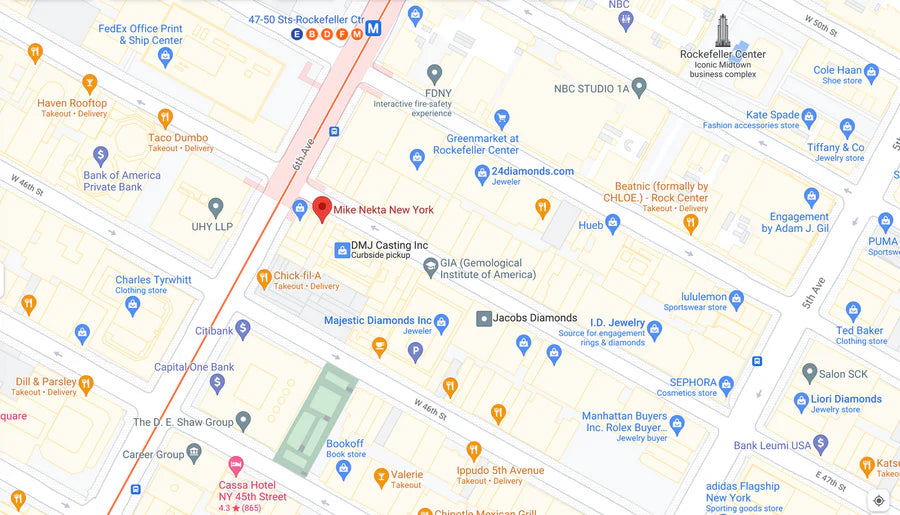
My workshop in New York City specializes in comprehensive maintenance for lab-grown diamond jewelry. I personally inspect each piece, checking settings, cleaning hard-to-reach areas, and ensuring your bracelet maintains its original sparkle. Understanding how to care for and maintain your lab-grown diamond bracelet at home is essential, but pairing that knowledge with periodic professional service creates the perfect formula for longevity.
Book an appointment with me today to experience expert care that keeps your lab-grown diamond bracelet looking flawless for years to come.