
Why Lab-Grown Stones Pair Perfectly With a Marquise Diamond Ring
I've always been fascinated by the marquise diamond ring. Its elongated, boat-shaped design with pointed ends creates a striking look on the finger. This cut is popular among couples who want something different from the traditional round brilliant, offering both elegance and a unique visual impact that makes the stone appear larger than its actual carat weight. The marquise cut's ability to elongate the finger while maximizing sparkle has made it a timeless choice for those seeking sophistication with a touch of vintage charm.
Lab-grown stones are changing the game in the jewelry industry. These diamonds are created in controlled laboratory environments using advanced technology that mimics the natural diamond formation process. The result? Stones that are chemically, physically, and optically identical to mined diamonds, yet available at significantly lower prices. The growing popularity of lab-grown diamonds comes from their ethical production methods and reduced environmental impact, making them an appealing choice for conscious consumers.
When I think about why lab-grown stones are a great match for a marquise diamond ring, several reasons come to mind:
- Cost-effectiveness: Lab-grown diamonds offer significant savings compared to mined diamonds, allowing you to get a larger or higher-quality stone within your budget.
- Sustainable practices: By choosing lab-grown stones, you support environmentally-friendly practices and avoid contributing to the negative impacts associated with diamond mining.
- Precision-cut brilliance: Lab-grown diamonds are cut using advanced technology, ensuring maximum sparkle and enhancing the marquise's dramatic shape.
- Design versatility: With lab-grown stones, you have more options for customization and unique designs that complement the marquise cut.
This combination of classic elegance and modern values makes lab-grown stones an ideal choice for marquise diamond rings.
Understanding Marquise Diamond Rings
The marquise diamond shape is one of the most distinctive cuts in fine jewelry. Its elongated silhouette stretches gracefully across the finger, making it stand out.
The Origins of the Marquise Cut
The marquise cut is named after the Marquise de Pompadour, a mistress of King Louis XV of France. This regal cut features two sharp points at each end that taper to dramatic tips, creating a boat-like or football-shaped profile that's impossible to ignore.
How the Marquise Cut Reflects Light
The unique geometry of this elongated diamond cut allows light to dance through its facets in mesmerizing patterns, producing brilliant flashes that catch the eye from every angle.
The Size Illusion of the Marquise Cut
What makes the marquise cut particularly appealing is its remarkable ability to maximize perceived size. A one-carat marquise diamond appears significantly larger than a round brilliant of the same weight, thanks to its extended surface area. This optical illusion means you're getting more visual impact for your investment—a quality that makes the marquise cut especially attractive for those seeking statement pieces without the premium price tag of larger carat weights.
Versatile Settings for Marquise Diamond Rings
The settings for marquise diamond rings range from timelessly simple to elaborately ornate:
- Classic solitaire mountings showcase the diamond's dramatic shape with minimal distraction, often featuring protective prongs at each pointed end
- Halo designs surround the center stone with smaller accent diamonds, amplifying the marquise's already impressive presence
- Vintage-inspired settings incorporate milgrain detailing, filigree work, and ornate metalwork that complement the cut's historical elegance
- East-west orientations position the marquise horizontally for a modern, unconventional look
- Three-stone arrangements flank the marquise with complementary side stones for added dimension
Each setting style emphasizes different aspects of the marquise's inherent beauty while offering distinct aesthetic personalities.
The Advantages of Lab-Grown Stones for Marquise Diamonds
When I first started exploring options for my clients seeking marquise diamond rings, the lab-grown diamond price difference immediately caught my attention. A natural marquise diamond can cost anywhere from 30% to 50% more than its lab-grown counterpart of identical quality. This price gap means you can invest in a larger, more impressive stone or allocate those savings toward a custom setting that truly showcases the marquise's dramatic silhouette.
The beauty of affordable diamonds lies in their ability to deliver luxury on budget without any visual compromise. Lab-grown marquise diamonds possess the same chemical composition, crystal structure, and optical properties as mined stones. Under a jeweler's loupe or even sophisticated gemological equipment, they're virtually indistinguishable. I've watched countless clients marvel at the fire and brilliance of their lab-grown marquise, never suspecting they've secured a stone that rivals natural diamonds at a fraction of the investment.
Ethical diamonds have reshaped how we approach fine jewelry purchases. The environmental footprint of lab-grown diamonds tells a compelling story:
- Minimal land disruption compared to large-scale mining operations
- Significantly reduced water consumption during production
- Lower carbon emissions per carat produced
- Zero contribution to ecosystem destruction or habitat loss
These sustainable gemstones align perfectly with the values of modern couples who want their symbol of commitment to reflect their principles. Conflict-free diamonds offer peace of mind that your purchase hasn't contributed to human rights violations or funded armed conflicts—a guarantee that's harder to verify with mined stones despite certification systems.
The marquise cut's inherent elegance gains an additional layer of meaning when paired with lab-grown stones. You're not just choosing a visually stunning ring; you're making a statement about responsible luxury that doesn't sacrifice beauty for ethics.
Precision-Cut Brilliance Enhancing Marquise Shape with Lab-Grown Stones
The marquise cut demands exceptional precision to unlock its full optical potential. Lab-grown diamonds excel in this area because they're created in controlled environments where every facet can be engineered to exact specifications. This level of control means cutters can achieve optimal proportions that maximize brilliance (white light reflection), fire (colored light dispersion), and scintillation (the sparkle created when light moves across the stone).
When I examine precision-cut diamonds under magnification, the difference becomes immediately apparent. Each of the marquise's 58 facets acts as a tiny mirror, capturing and redirecting light through the stone's elongated body. Lab-grown stones allow artisans to perfect the pavilion depth and crown angle—two critical measurements that determine how effectively light bounces within the diamond before returning to your eye.
The marquise shape's dramatic silhouette becomes even more mesmerizing when paired with expertly cut lab-grown stones. The pointed ends, known as "wings," create natural light traps that generate intense flashes of brilliance. When these areas are cut with mathematical precision, they produce a captivating interplay of light and shadow that draws the eye along the stone's entire length.
This enhanced optical performance directly addresses why lab-grown stones pair well with a marquise diamond ring—the combination delivers museum-quality sparkle at accessible price points. The elongated shape already creates an illusion of greater size, but when you add the superior light return of precision-cut lab-grown diamonds, the visual impact becomes truly extraordinary. The stone appears to dance with internal fire, shifting between brilliant white flashes and rainbow-colored sparkles with every movement of your hand.
Complementary Styles and Versatility in Design with Lab-Grown Stones
The unique shape of a marquise diamond ring opens up exciting possibilities for creative band pairings. Chevron bands are one of my favorite choices, as their V-shaped design naturally contours around the marquise's sharp edges, creating a seamless visual flow. This geometric harmony eliminates awkward gaps while adding architectural interest to your ring stack.
Pavé-set eternity bands offer another stunning option, their continuous sparkle wrapping around your finger to amplify the marquise's inherent brilliance. The small lab-grown stones set closely together create a glittering frame that draws the eye toward the center marquise without competing for attention. I've seen countless clients fall in love with how these delicate bands add dimension while maintaining the marquise's starring role.
Baguette diamond bands bring a sophisticated, Art Deco-inspired aesthetic to marquise rings. The clean, rectangular cuts of lab-grown baguettes provide striking contrast against the marquise's curved edges, creating a modern yet timeless look that photographs beautifully.
The real magic happens when you start mixing different cuts and colors of lab-grown stones. I've worked with couples who've incorporated:
- Rose gold bands featuring blush-toned lab-grown diamonds alongside their white marquise
- Alternating round and princess-cut lab-grown stones for textural variety
- Colored lab-grown gemstones like sapphires or emeralds for personalized accent bands
- Mixed metal combinations that showcase different lab-grown stone colors
This design flexibility means your bridal set can truly reflect your personality, whether you prefer minimalist elegance or bold, statement-making stacks.
Customization Potential With Lab-Grown Stones for Marquise Rings
I've discovered that personalized bridal sets become remarkably achievable when working with lab-grown stones for marquise rings. The affordability factor opens doors to experimentation with proportions that might feel financially risky with natural diamonds. I can select a larger center stone without the astronomical price tag, ensuring my marquise diamond commands attention while maintaining perfect balance with surrounding accent stones.
The real excitement lies in gemstone color customization. While traditional white diamonds remain timeless, lab-grown technology has unlocked a spectrum of possibilities I never imagined accessible at reasonable price points. Pink lab-grown marquise diamonds evoke romance with their delicate blush tones, creating an ethereal quality that catches light differently than their colorless counterparts. Blue lab-grown options channel vintage glamour reminiscent of historic royal jewelry, adding depth and personality to the distinctive marquise silhouette.
I've seen couples incorporate:
- Champagne-colored lab-grown marquise centers paired with white diamond halos
- Vibrant yellow lab-grown stones that amplify the marquise's dramatic elongation
- Subtle gray lab-grown diamonds for modern, understated elegance
The precision of lab-grown creation means these colored stones maintain consistent saturation throughout, something natural fancy colored diamonds struggle to guarantee. I can design a ring that genuinely reflects my story, my aesthetic preferences, and my values without compromise.
Comfort and Fit Considerations For Stacking Rings With Marquise Diamonds And Lab-Grown Stones Together
The pointed tips of a marquise diamond create a stunning visual effect, yet they also present unique challenges when building a stackable rings design. I've learned through years of working with clients that the key to a successful stack lies in selecting comfortable wedding bands that accommodate these distinctive angles without causing irritation during daily wear.
Contoured bands represent the gold standard for pairing with marquise rings. These specially designed bands feature gentle curves that nestle seamlessly against the marquise's pointed ends, eliminating awkward gaps that can catch on clothing or pinch the skin. The contour creates a natural flow between rings, allowing them to sit flush against each other.
Ring fit becomes particularly critical when you're wearing multiple bands together. I always recommend considering these essential factors:
- Gap minimization - Bands should sit close enough to prevent catching but maintain enough space for natural finger movement
- Edge smoothness - Rounded inner edges prevent sharp contact points that can cause discomfort
- Proportional width - Thinner bands typically stack more comfortably with marquise centers than wider styles
Lab-grown stones offer a distinct advantage here. The cost savings allow you to invest in multiple perfectly-fitted bands crafted specifically for your marquise ring, creating a cohesive set that feels as good as it looks. You can experiment with different stackable configurations without the financial pressure that comes with natural diamonds.
Conclusion
The combination of lab-grown stones and a marquise diamond ring is more than just a beautiful choice—it's a practical decision that aligns with personal values. I've seen many couples find that pairing lab-grown with marquise diamonds gives them the dramatic elegance they want while also staying true to their commitment to sustainable elegance. The benefits of lab-grown stones go beyond saving money; they also include precise cuts, ethical sourcing, and endless possibilities for customization. When I guide clients in understanding why lab-grown stones work well with a marquise diamond ring, they're often pleasantly surprised by how this combination helps them achieve their dream ring without any compromises. Your engagement ring should tell your love story and reflect your values—this pairing does just that.
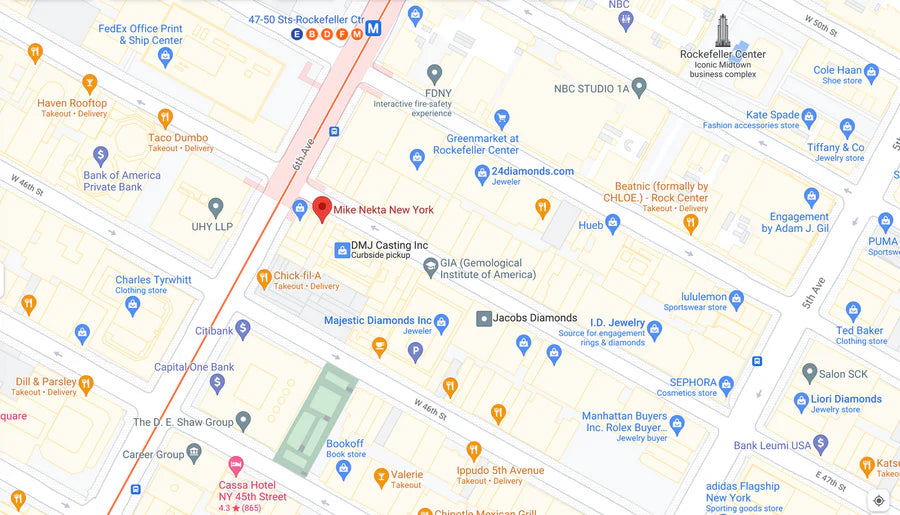
If you’d like personalized advice or want to explore your options in person, you can book an appointment with me, Mike Nekta. I’m here to help you create the perfect ring that matches your dreams and ideals.