
Why 97% of Jewelers Are Still Behind: A Reality Check
The jewelry industry has always been associated with glamour, heritage, and luxury. Yet behind the polished storefronts and brilliant showcases lies a less glamorous truth: when it comes to embracing technology, structured growth, and modern craftsmanship standards, most jewelers are falling behind. Despite unprecedented access to tools, education, and global markets, an estimated 97% of jewelers have not fully adapted to the realities of the digital age.
This isn’t a moral failure—it’s a structural one. Tradition, comfort, and outdated learning models have quietly created a skills gap that continues to widen. Let’s break down why this happens—and what it will take to close that gap.
Comfort Kills Talent
In the world of jewelry, comfort is the silent enemy of progress. Many jewelers settle into familiar routines, repeating the same designs, processes, and techniques year after year. What once felt like confidence slowly turns into creative stagnation.
This complacency stifles innovation and prevents growth, leaving untapped potential on the workbench. Talent does not disappear—it simply stops being challenged. Mastery demands a constant push beyond the familiar. Yet too many choose comfort over discomfort, mistaking repetition for expertise and routine for mastery.
Jewelry Schools Teach Basics, Not Mastery
Jewelry schools provide an essential foundation: the basic skills needed to enter the trade. But these institutions rarely go beyond technical fundamentals. True artistry and expertise are forged through years of relentless practice and self-driven learning. Relying solely on formal education leaves most jewelers unequipped for the complexities and nuances that define high-level craftsmanship. Only those who actively seek to expand their skill set and explore new techniques can truly master the craft.
Why Most Never Keep Learning
The journey from competent jeweler to master artisan is long and often solitary. Many abandon continuous learning due to lack of time, motivation, or guidance. The jewelry industry’s fast pace and commercial pressures make ongoing education seem like a luxury rather than a necessity. As a result, only a small minority ever pursue advanced techniques or creative exploration after leaving school. This widespread stagnation has far-reaching consequences. The industry loses out on fresh ideas and innovative approaches, while customers are deprived of truly exceptional pieces.
Lack of Awareness about Technological Advancements
The jewelry industry has witnessed significant technological advancements in recent years, from CAD/CAM software for designing intricate pieces to 3D printing for rapid prototyping. However, many jewelers remain blissfully unaware of these tools and their potential. This lack of awareness stems from a combination of factors, including limited exposure to technology in traditional jewelry education and a resistance to change among established artisans.
Financial Barriers to Adoption
Investing in technology can be daunting, especially for small and medium-sized jewelers operating on tight budgets. The initial cost of acquiring hardware and software, coupled with the need for training staff, can seem prohibitive. However, it is crucial to view these expenses as long-term investments that will streamline processes, enhance productivity, and ultimately drive profitability.
Collaboration between Technology Providers and Jewelers
To bridge the technological gap in the jewelry industry, collaboration is key. Technology providers should actively engage with jewelers, offering educational resources and tailored solutions that address their unique needs. Likewise, jewelers must be open to exploring new technologies and seeking guidance from experts in the field. Through shared knowledge and mutual support, the industry can embrace digital transformation and unlock its full potential.
By overcoming complacency, investing in ongoing education, embracing technology, and fostering collaboration, jewelers can break free from tradition's grip and thrive in the digital age.
The Cost of Laziness for the Client
When jewelers stop evolving, clients pay the price—often without realizing it. Laziness leads to generic designs, shoddy repairs, and missed opportunities for customization. Clients seeking something special end up with uninspired pieces that fail to capture their vision or hold long-term value. In a market saturated with mediocrity, true excellence becomes increasingly rare—and expensive. It's not just about the monetary cost; there's an emotional toll as well.
Jewelry carries sentimental value, and when a piece falls short of expectations, it can be deeply disappointing. By embracing technology and constantly pushing the boundaries of creativity, jewelers can create truly exceptional pieces that bring joy to their clients and stand the test of time. The cost of laziness is high, but the rewards for those who strive for excellence are immeasurable.
What Mastery Looks Like in 2026
By 2026, mastery will mean blending timeless hand skills with advanced technology, design thinking, and ethical awareness. Master jewelers will fluently move between bench work and digital modeling, tradition and innovation, artistry and strategy. They will understand new materials, sustainable sourcing, global trends, and client psychology—while still honoring craftsmanship fundamentals. They will solve problems, not just sell objects.
"They’re selling jewelry; I’m solving problems. - Mike Nekta"
Additionally, the influence of global trade on jewelry design and production cannot be overlooked. Fluctuations in international markets can affect the availability of certain materials and shape trends in design. Master jewelers will need to stay informed about these global dynamics while also being aware of the legal wildlife trade value and impact on their industry. Understanding the relationship between biodiversity loss drivers and material sourcing will be crucial for creating pieces that are not only beautiful but also responsible.
“Information is free. Mastery is expensive.” - Mike Nekta
The reality is stark: only those who reject comfort and embrace lifelong learning will rise above the crowd. For everyone else, falling behind isn’t just likely—it’s inevitable. Technological advancements like digital modeling tools are already reshaping what it means to be a master jeweler, allowing for greater innovation while also posing new questions about authenticity and craftsmanship.
Come with questions. Leave with clarity.
Mastery demands more than technical skill. It requires historical awareness, cultural sensitivity, ethical responsibility, and design intelligence. In today’s world, standing still is falling behind.
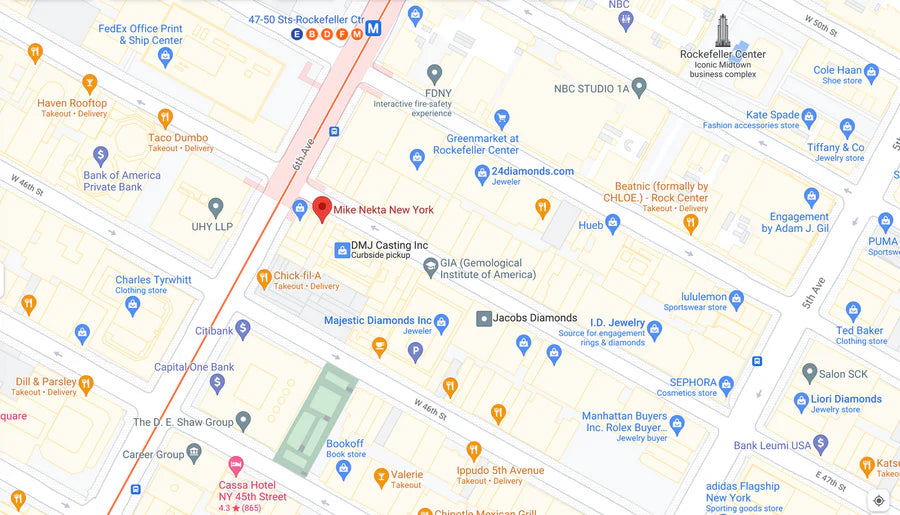
This is the philosophy behind my work in New York—where tradition meets pressure, competition, and constant reinvention. As Mike Nekta New York, I don’t sell jewelry. I solve problems—design problems, sourcing problems, production problems, and long-term value problems.
Book an appointment with me to go beyond surface-level learning. Together, we’ll explore craftsmanship, sustainability, ethical sourcing, and modern innovation—without sacrificing artistry.
Mastery is not a destination. It’s a commitment to continuous refinement, made daily at the bench and beyond it.
Let’s ask better questions.
Let’s raise the standard.
Let’s build work that lasts.