
What Buyers Often Miss When Choosing Lab Grown Earrings
Lab grown earrings have gained immense popularity, but many buyers overlook subtle nuances and important details. As an experienced jeweler, my goal is to highlight these often-missed aspects to help you make informed decisions.
The Allure of Lab Grown Earrings
The sparkle, the ethical appeal, the affordability—lab grown earrings seem like a dream come true. I’ve witnessed firsthand how they captivate shoppers. Before you get swept away, let’s break down what really matters when selecting your perfect pair.
1. Understanding Quality Beyond the 4 Cs of Diamonds
Most buyers arrive knowing about the classic 4 Cs of Diamonds: Cut, Color, Clarity, and Carat weight. These are essential for both natural and lab grown diamonds. However, lab grown earrings come with their own set of nuances:
- Growth Origin: Not all lab created stones are equal. The CVD (Chemical Vapor Deposition) and HPHT (High Pressure High Temperature) methods produce slightly different results in terms of inclusions and overall brilliance. Lab grown diamond quality can vary based on these growth methods.
- Post-Growth Treatments: Some stones undergo treatments to enhance color or clarity. This isn’t inherently bad but should always be disclosed.
It’s easy to focus solely on size or price—my advice is to dig deeper into the origin and any treatments applied.
2. Certification: What Really Matters?
A common misconception I notice is assuming all certifications are equal. With lab grown earrings, reputable grading labs such as IGI (International Gemological Institute) or GIA (Gemological Institute of America) provide unbiased assessments. Diamond certification is crucial for lab grown earrings as it ensures that you are getting a stone with the quality and characteristics that are advertised. The certification process evaluates the diamond's cut, color, clarity, and carat weight—commonly referred to as the 4 Cs.
When comparing IGI and GIA, both labs are highly respected, but they have some differences in their grading processes. GIA is often regarded as the gold standard for diamond grading due to its strict standards and comprehensive evaluation methods. IGI, on the other hand, is known for its specialization in lab grown diamonds and may offer more flexible grading criteria. This means that while an IGI-certified diamond may be graded slightly differently than one from GIA, it can still provide a reliable assessment of the stone's quality.
Tip from my bench: Always request a grading report for your lab grown stones—not just for peace of mind but for insurance purposes as well.
Certifications from lesser-known labs may not use consistent standards, which can result in overestimated grades. When interpreting a diamond grading report, pay close attention to each of the 4 Cs:
- Cut: This indicates how well the diamond has been shaped and faceted, affecting its brilliance.
- Color: Graded on a scale from D (colorless) to Z (light yellow), this assesses the presence of any color in the diamond.
- Clarity: This measures the presence of internal or external flaws, ranging from Flawless (IF) to Included (I).
- Carat weight: This indicates the size of the diamond; remember that larger carats can also affect the stone's overall value.
Additionally, check for any notes on special characteristics that might affect the diamond's appearance or value. Understanding these elements will help you make an informed decision when purchasing lab grown earrings.
3. Metal Choices: Not Just an Afterthought
Buyers often become so focused on the stone that they forget about the setting itself:
- Hypoallergenic Concerns: If you have sensitive skin, opt for platinum or high-karat gold. Platinum is especially known for its hypoallergenic properties, making it an excellent choice for those with allergies or sensitivities.
- Durability: Settings made from 14k gold or platinum offer longevity, especially for daily wear. 14k gold provides a perfect balance of durability and beauty, while platinum's strength ensures that your ring withstands the test of time.
- Color Matching: White metals can accentuate colorless stones; yellow or rose gold may subtly tint them.
Choosing the right metal enhances both comfort and aesthetics. Consider platinum for its exceptional durability and hypoallergenic benefits, or 14k gold for a timeless look that complements your lifestyle.
4. Earring Backings—Small Component, Big Impact
This detail is frequently overlooked until it’s too late: secure earring backings are crucial to prevent loss and ensure that your beautiful earrings stay safely in place.
- Friction Backs: Commonly used but less secure than others.
- Screw Backs: Offer increased security but require careful handling.
- La Pousette Backs: A personal favorite for high-value earrings—they lock tightly yet release easily when needed.
When purchasing earrings, it’s also wise to check warranty policies related to earring components. This can provide additional protection and peace of mind regarding the quality and durability of the backings.
An uncomfortable or insecure backing can turn even the most beautiful earrings into a hassle.
5. Size Perception vs. Actual Size
Many clients expect lab grown earrings to appear larger due to their affordability compared to natural diamonds. Yet, carat weight doesn't always translate visually:
- Face-up Diameter Matters: Two stones with identical carat weights can look different depending on cut proportions. The face-up diameter is crucial in determining how large a diamond appears.
- Setting Design: Halo or bezel settings can make center stones appear bigger without increasing cost significantly. This effect is often more pronounced with lab grown diamonds than with natural ones.
Ask your jeweler to show you various options side by side—visual comparisons help set realistic expectations regarding the perceived size and value of lab grown versus natural diamonds.
6. Ethical Claims: Separating Fact from Fiction
Lab grown diamonds are often marketed as “eco-friendly” and “ethical.” While these claims hold some truth, I encourage buyers to ask pointed questions:
- How much energy was used in production?
- Was renewable energy part of the process?
- Are workers treated fairly throughout the supply chain?
Just because a stone is lab grown doesn’t automatically make it sustainable or ethical in every aspect.
Choosing certified ethical and conflict-free lab grown diamonds offers several benefits. These diamonds are produced under strict industry standards that ensure transparency and accountability throughout the entire manufacturing process. By selecting diamonds that are certified by organizations such as the International Gemological Institute (IGI) or the Responsible Jewelry Council (RJC), buyers can be confident that their purchase supports fair labor practices and environmentally responsible production methods.
Additionally, certified ethical diamonds often come with a clear traceability record, allowing consumers to verify the origins of the stones and the conditions under which they were made. This level of transparency not only helps prevent funding conflict but also promotes sustainable practices within the industry.
Ultimately, choosing certified ethical and conflict-free lab grown diamonds ensures that your purchase aligns with your values while supporting a more responsible and equitable diamond market.
7. Resale Value & Long-Term Considerations
This is a topic many retailers shy away from—but as someone who values transparency:
Lab grown earrings generally do not retain value like their natural counterparts.
If investment potential is important to you, discuss this openly with your jeweler before making a purchase. It's also crucial to note that appraised value for insurance may differ from resale value, especially for lab grown diamonds; buyers should clarify this before purchase. For those shopping purely for enjoyment or sentimentality, this might not matter at all—but being aware helps avoid surprises down the road.
8. Customization Options—Don’t Settle!
With lab grown diamonds’ lower cost per carat, customization becomes more accessible than ever:
- Create unique designs without breaking your budget.
- Experiment with larger center stones or intricate settings.
- Mix shapes for modern looks—think pear-shaped drops paired with round studs.
Consider both online jewelry retailers like Blue Nile and in-store jewelers such as Jared for a wide range of customization services for lab grown earrings.
Take advantage of this flexibility to craft something truly personal.
Key Takeaways From My Bench
After years helping clients select their ideal lab grown earrings, these points consistently rise above the rest:
Do:
- Insist on reputable certification.
- Consider earring backings carefully.
- Ask about growth method and post-growth treatments.
- Match metal choice to lifestyle needs.
- Be realistic about resale value.
- Verify authenticity by checking for laser inscriptions on diamonds.
Don’t:
- Assume bigger is always better—focus on cut quality and face-up appearance.
- Overlook comfort factors like setting height and backing type.
- Rely solely on marketing claims regarding ethics—ask specific questions.
- Avoid overpriced or misrepresented jewelry by researching brands and reviews.
"The best piece of jewelry isn’t just beautiful—it fits your values, lifestyle, and personal taste."
— Mike Nekta
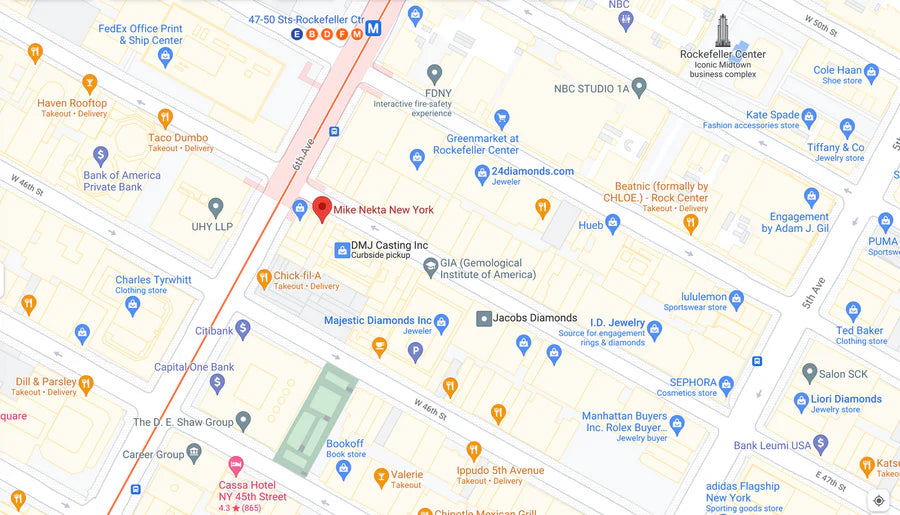
Feel free to reach out and book an appointment with me if you have questions about selecting your next pair of lab grown earrings—or visit me at my store where transparency meets craftsmanship every day!