
Sustainable Elegance: The Appeal of Lab Grown Diamond Rings
As a jeweler who has spent decades immersed in the world of diamonds, I’ve watched the industry evolve and adapt to new technologies and values. The rise of Lab Grown Diamond Rings stands out as one of the most exciting developments I’ve witnessed. Collectors and diamond jewelry customers alike are discovering a blend of sustainability, beauty, and value that was once unimaginable.
What Are Lab Grown Diamond Rings?
Lab grown diamonds, also known as cultured or synthetic diamonds, are real diamonds created under controlled conditions using advanced technology. They have the same physical, chemical, and optical properties as mined diamonds.
- Chemical Composition: Pure carbon atoms in a crystal lattice.
- Creation Process: High Pressure High Temperature (HPHT) or Chemical Vapor Deposition (CVD).
- Visual Appeal: Indistinguishable from natural diamonds to the naked eye.
"When I first examined lab grown diamonds under my loupe, I was struck by their clarity and brilliance—qualities any collector would admire."
Sustainability Meets Sophistication
The ethical and environmental benefits of lab grown diamond rings have revolutionized how we think about luxury:
Ethical Sourcing
Traditional diamond mining often raises concerns about conflict zones and labor practices. Choosing lab grown ensures peace of mind:
- No association with “blood diamonds.”
- Transparent supply chains.
- Fair labor standards.
Reduced Environmental Impact
Creating diamonds in a laboratory requires significantly less land disturbance and water usage compared to mining operations.
- Minimal ecological footprint.
- Lower carbon emissions.
- No habitat destruction.
Wearing a lab grown diamond ring means celebrating life’s milestones without compromising our planet’s future.
Design Possibilities: Creativity Unleashed
One aspect that excites me most is the creative freedom lab grown diamond rings afford designers. This freedom extends beyond rings to other stunning jewelry pieces like lab-grown diamond tennis bracelets, which offer a perfect blend of elegance and versatility.
When designing these pieces, various settings come into play. Prong settings allow for maximum light exposure, enhancing the diamond's brilliance, while bezel settings provide a sleek and modern look. Channel settings are great for creating a continuous sparkle, especially in bracelets where movement is key.
Metal options also significantly influence the design and overall aesthetic. White gold offers a contemporary feel, rose gold adds a romantic touch, yellow gold brings classic warmth, and platinum ensures durability and luxury.
It's essential to consider the quality of the diamonds themselves, which is determined by the 4 Cs: cut, color, clarity, and carat weight. These factors not only affect the diamonds' appearance but also their value and how they interact with different settings and metals.
Customization opportunities are vast when working with lab-grown diamonds. Designers can create unique arrangements that reflect personal styles or specific themes, whether it's a classic tennis bracelet with alternating stones or a statement ring featuring an oversized center diamond.
When caring for this exquisite jewelry, it's crucial to follow proper maintenance tips: regularly clean with mild soap and water, store pieces separately to avoid scratches, and have them professionally inspected periodically to ensure settings remain secure.
Additionally, it's important to discuss the environmental footprint of lab-grown diamonds compared to mined ones. While both industries impact the environment, lab-grown diamonds typically have a lower ecological impact due to reduced land disruption and water usage.
Ethical and conflict-free sourcing is another significant advantage of lab-grown diamonds. Unlike some mined diamonds that finance violence or exploitative labor practices, lab-grown options provide peace of mind regarding their origins.
In terms of affordability, lab-grown diamonds often offer better value compared to their mined counterparts. They possess similar qualities but at a fraction of the cost, allowing for more significant investment in other aspects of design or higher quality stones.
When considering durability, it's essential to reference the Mohs scale: lab-grown diamonds rank 10, making them one of the hardest substances on earth—ideal for everyday wear in various designs from classic solitaires to intricate minimalist styles.
Finally, staying updated on trends is vital; currently, many are gravitating towards classic designs with timeless appeal while others seek bold statement pieces that showcase the unique qualities of lab-grown diamonds.
Customization Without Compromise
Clients can select from a spectrum of shapes—round brilliant, cushion cut, emerald cut—and choose settings that reflect personal taste:
- Classic solitaires
- Vintage-inspired halos
- Avant-garde contemporary designs
With fewer restrictions on size or availability, designers can push boundaries while delivering exceptional beauty.
Pairing with Recycled Metals
Sustainability doesn’t end with the gemstone. Many jewelers now pair lab grown diamonds with recycled gold or platinum bands—a combination that appeals to environmentally conscious collectors.
"I’ve crafted rings where every element—from stone to setting—tells a story of responsibility and refinement."
The Customer Experience: Transparency & Trust
Shopping for Lab Grown Diamond Rings should feel empowering rather than overwhelming. Here’s what my clients appreciate most during their journey:
Education First
Understanding the differences between lab grown and mined diamonds allows customers to make informed decisions. I make it a point to walk each client through grading reports from reputable labs such as IGI or GIA.
Certification & Grading
Every reputable lab grown diamond comes with certification detailing its 4Cs—cut, color, clarity, carat weight—and its method of creation (HPHT or CVD).
Lifetime Value & Care
Lab grown diamonds require no special care compared to mined stones—regular cleaning keeps them sparkling for generations. Many jewelers offer lifetime warranties on both the stone and setting for added peace of mind.
Addressing Common Questions & Misconceptions
I often encounter questions from collectors curious about how these gems compare to traditional options:
Are Lab Grown Diamonds “Real” Diamonds?
Absolutely. Both physically and chemically identical to mined diamonds; only an expert using specialized equipment can distinguish between them.
Will They Hold Their Value?
The secondary market for lab grown stones is still evolving. However, their affordability allows more people to enjoy larger or higher-quality stones without overspending—a compelling advantage for gift-givers and self-purchasers alike.
Can They Replace Natural Diamonds in Heirlooms?
Lab grown options are ideal for creating new family treasures or updating vintage settings with responsibly sourced stones.
Why I Recommend Lab Grown Diamond Rings
My passion lies in helping clients find jewelry that resonates with their values while delivering lasting beauty. Lab Grown Diamond Rings offer a rare combination:
- Ethical sourcing with no compromise on sparkle
- Environmentally responsible luxury
- Unmatched creative potential for designers
- Excellent value for collectors seeking quality without excess cost
"Every time I fit a client with their perfect ring—crafted from materials they believe in—I’m reminded why this new era in fine jewelry inspires me."
Discover sustainable elegance. Explore the world of Lab Grown Diamond Rings—you may find your next masterpiece awaits in this fusion of innovation and tradition.
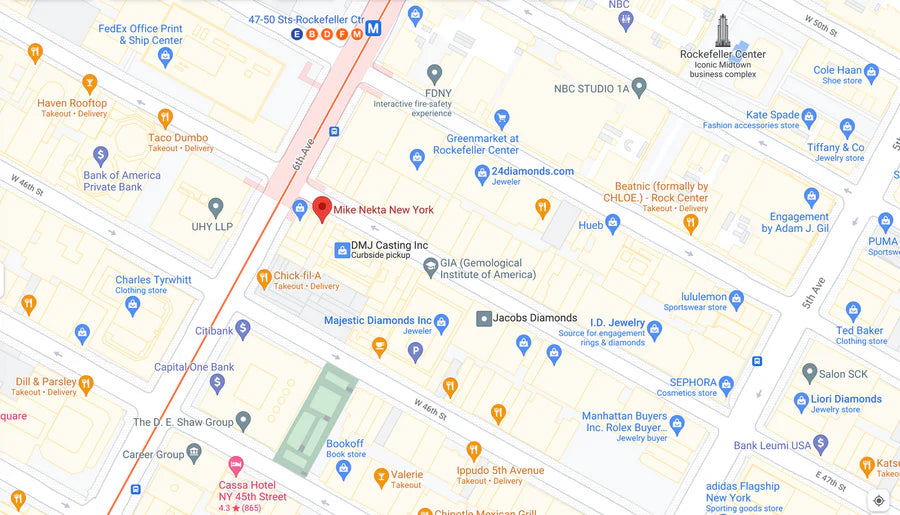
Ready to find your perfect ring? Book an appointment with me, Mike Nekta, today—and let’s create something extraordinary together!
By Mike Nekta
Introduction: My Journey with Lab Grown Diamonds
As a jeweler who has spent decades immersed in the world of diamonds, I’ve watched the industry evolve and adapt to new technologies and values. The rise of Lab Grown Diamond Rings stands out as one of the most exciting developments I’ve witnessed. Collectors and diamond jewelry customers alike are discovering a blend of sustainability, beauty, and value that was once unimaginable.
What Are Lab Grown Diamond Rings?
Lab grown diamonds, sometimes referred to as cultured or synthetic diamonds, are real diamonds created under controlled conditions using advanced technological processes. These gems possess the same physical, chemical, and optical properties as their mined counterparts.
- Chemical Composition: Pure carbon atoms arranged in a crystal lattice.
- Creation Process: High Pressure High Temperature (HPHT) or Chemical Vapor Deposition (CVD).
- Visual Appeal: Indistinguishable from natural diamonds to the naked eye.
"When I first examined lab grown diamonds under my loupe, I was struck by their clarity and brilliance—qualities any collector would admire."
Sustainability Meets Sophistication
The ethical and environmental benefits of lab grown diamond rings have revolutionized how we think about luxury:
Ethical Sourcing
Traditional diamond mining often raises concerns about conflict zones and labor practices. Choosing lab grown ensures peace of mind:
- No association with “blood diamonds.”
- Transparent supply chains.
- Fair labor standards.
Reduced Environmental Impact
Creating diamonds in a laboratory requires significantly less land disturbance and water usage compared to mining operations.
- Minimal ecological footprint.
- Lower carbon emissions.
- No habitat destruction.
Wearing a lab grown diamond ring means celebrating life’s milestones without compromising our planet’s future.
The Collector’s Perspective: Value Beyond Rarity
Collectors are drawn to rarity, craftsmanship, and narrative. Lab grown diamond rings offer unique stories that enhance their appeal:
Technological Marvels
Each stone is a testament to human ingenuity—a fusion of art and science. As someone who curates rare pieces for discerning clients, I appreciate how these gems represent innovation without sacrificing authenticity.
Consistent Quality
Lab grown processes allow for precise control over color and clarity:
- Fewer inclusions
- Exceptional whiteness
- Customizable shapes and sizes
This consistency enables collectors to acquire stones that meet exacting standards while enjoying better value per carat.
Investment Considerations
While natural diamonds have historically dominated investment portfolios, lab grown stones present intriguing opportunities:
- Affordability: Higher quality at lower prices.
- Transparency: Clear documentation of origin and grading.
- Future Trends: Growing demand among younger buyers seeking ethical luxury.
Design Possibilities: Creativity Unleashed
One aspect that excites me most is the creative freedom lab grown diamond rings afford designers:
Customization Without Compromise
Clients can select from a spectrum of shapes—round brilliant, cushion cut, emerald cut—and choose settings that reflect personal taste:
- Classic solitaires
- Vintage-inspired halos
- Avant-garde contemporary designs
With fewer restrictions on size or availability, designers can push boundaries while delivering exceptional beauty.
Pairing with Recycled Metals
Sustainability doesn’t end with the gemstone. Many jewelers now pair lab grown diamonds with recycled gold or platinum bands—a combination that appeals to environmentally conscious collectors.
"I’ve crafted rings where every element—from stone to setting—tells a story of responsibility and refinement."
The Customer Experience: Transparency & Trust
Shopping for Lab Grown Diamond Rings should feel empowering rather than overwhelming. Here’s what my clients appreciate most during their journey:
Education First
Understanding the differences between lab grown and mined diamonds allows customers to make informed decisions. I make it a point to walk each client through grading reports from reputable labs such as IGI or GIA.
Certification & Grading
Every reputable lab grown diamond comes with certification detailing its 4Cs—cut, color, clarity, carat weight—and its method of creation (HPHT or CVD).
Lifetime Value & Care
Lab grown diamonds require no special care compared to mined stones—regular cleaning keeps them sparkling for generations. Many jewelers offer lifetime warranties on both the stone and setting for added peace of mind.
Addressing Common Questions & Misconceptions
I often encounter questions from collectors curious about how these gems compare to traditional options:
Are Lab Grown Diamonds “Real” Diamonds?
Absolutely. Both physically and chemically identical to mined diamonds; only an expert using specialized equipment can distinguish between them.
Will They Hold Their Value?
The secondary market for lab grown stones is still evolving. However, their affordability allows more people to enjoy larger or higher-quality stones without overspending—a compelling advantage for gift-givers and self-purchasers alike.
Can They Replace Natural Diamonds in Heirlooms?
Lab grown options are ideal for creating new family treasures or updating vintage settings with responsibly sourced stones.
Why I Recommend Lab Grown Diamond Rings
My passion lies in helping clients find jewelry that resonates with their values while delivering lasting beauty. Lab Grown Diamond Rings offer a rare combination:
- Ethical sourcing with no compromise on sparkle
- Environmentally responsible luxury
- Unmatched creative potential for designers
- Excellent value for collectors seeking quality without excess cost
"Every time I fit a client with their perfect ring—crafted from materials they believe in—I’m reminded why this new era in fine jewelry inspires me."
Discover sustainable elegance. Explore the world of Lab Grown Diamond Rings—you may find your next masterpiece awaits in this fusion of innovation and tradition.
Ready to find your perfect ring? Book an appointment with me, Mike Nekta, today—and let’s create something extraordinary together!