
Solitaire Lab-Grown Diamond Rings for Every Milestone: Engagement, Anniversary, Promise
I’ve noticed something interesting over the last few years at Mike Nekta New York. More people are choosing a single diamond, set clean and classic, to mark life’s biggest moments. Not because they want something “simple,” but because they want something certain. A solitaire ring is a statement you do not have to explain.
And when that solitaire is lab-grown, the decision becomes even more intentional. You get the same physical diamond, the same brilliance, the same durability, and the same lifelong wearability, while keeping more control over size, quality, and value.
In this guide, I’ll walk you through how to choose the right solitaire lab-grown diamond ring for three milestones I’m asked about all the time: engagement, anniversary, and promise. I’ll also share the exact details I look at with clients, so you can buy with confidence, not guesswork.
Why Solitaire (And Why Lab-grown) Works So Well For Milestone Rings
A milestone ring is different from a fashion ring. It has a job to do.
A solitaire does that job better than most styles because it keeps the focus on one thing: the diamond. That’s why solitaires photograph beautifully, pair well with almost any wedding band, and still look relevant decades later.
Lab-grown diamonds add another layer of practicality:
- They’re real diamonds. Same crystal structure, same hardness, same sparkle.
- You can prioritize quality. Many clients step up in carat size or clarity without pushing the budget into uncomfortable territory.
- It’s easier to stay consistent. If you’re upgrading later (common for anniversaries), lab-grown makes it easier to match shape, color, and overall look.
If you want a ring that feels timeless now and still feels right years from now, solitaire lab-grown is one of the safest, smartest paths.
Milestone #1: The Engagement Solitaire
What the engagement solitaire needs to do
An engagement ring is an everyday ring. It has to hold up to real life, not just date nights. It also has to feel emotionally right because, realistically, this is the ring your partner will compare everything else to.
When clients come to me for engagement solitaires at Mike Nekta New York, I focus on three outcomes:
- The ring must look impressive on the hand (not just on a grading report).
- The setting must protect the diamond while staying comfortable.
- The ring should leave room for a wedding band so the set feels cohesive later.
Best diamond shapes for engagement solitaires
You can make any shape work, but these are the most requested for a reason:
- Round brilliant: maximum sparkle, easiest resale/trade, classic forever.
- Oval: elongated look, often appears larger than its carat weight, very flattering.
- Emerald: crisp, architectural, luxury vibe; shows clarity more, so choose carefully.
- Cushion: romantic, soft edges, great balance of brilliance and personality.
- Pear: elegant and distinctive, but needs a confident setting choice for protection.
If you’re unsure, I usually start by asking how the ring should feel: classic, modern, bold, or romantic. The shape becomes obvious after that conversation.
Engagement setting styles that actually hold up
A solitaire can be designed a hundred ways, but for long-term wear, these are the most reliable:
- 4-prong solitaire: classic, shows more of the diamond, slightly lighter look.
- 6-prong solitaire: more secure, timeless “heirloom” feel, great for rounds.
- Cathedral solitaire: adds presence and structure, often feels more “bridal.”
- Knife-edge solitaire: sleek and modern, makes the center stone pop.
- Basket setting: great support with a clean profile, often pairs well with bands.
If your partner is active with hands (gym, healthcare, hospitality, etc.), don’t ignore practicality. A well-designed solitaire should protect the diamond without feeling bulky.
My engagement advice on the “4 Cs” (without the fluff)
Here’s how I look at it in real-world terms:
- Cut: This is non-negotiable. Cut controls sparkle. Prioritize it.
- Color: For most solitaires, G-H is the sweet spot. Go higher if you love icy-white.
- Clarity: You want eye-clean, not “perfect on paper.” Many VS2 and even some SI1 stones can be eye-clean depending on shape and inclusion type.
- Carat: Choose what looks right on the hand and fits your lifestyle. Bigger is not always better if the setting sits too high or catches on everything.
Lab-grown makes it easier to balance all four. That’s a big reason engagement shoppers love it.
Milestone #2: The Anniversary Solitaire (upgrade or “new chapter” ring)
Anniversary rings are some of my favorites to work on because the intention is different. This is not about tradition. It’s about growth.
I see three common anniversary solitaire scenarios at Mike Nekta New York:
- Upgrade ring: “I want the same style, just bigger or better.”
- Second ring: “I want something I can rotate with my original.”
- Resetting a stone: “I want to keep the diamond but change the whole feel.”
How To Choose An Anniversary Solitaire That Complements What You Already Wear
If you’re stacking with a wedding band (or multiple bands), you want to think like a designer:
- Ring height: Too high can look awkward in a stack and feel uncomfortable.
- Band width: A delicate 1.6mm band looks very different next to a 3mm band.
- Metal tone: If you wear yellow gold daily, a platinum solitaire might feel “separate.”
- Profile: Low-profile solitaires tend to stack cleaner and wear easier.
If you want a clean stack, I often recommend a solitaire with a thoughtful basket and a band width that visually matches the existing set.
Best anniversary diamond choices
Anniversary clients often go one of two ways:
- Stay consistent: same shape, same look, just improved specs.
- Go different on purpose: change shape to mark a new chapter (for example, from round to emerald, or from cushion to oval).
If you love clean, modern luxury, an emerald-cut solitaire in a refined setting is one of the most powerful anniversary statements you can make. If you want maximum sparkle and “wow,” you cannot go wrong with a well-cut round or oval.
Why lab-grown shines for anniversary upgrades
Anniversary upgrades are where lab-grown diamonds feel almost made for the moment. You can meaningfully increase size or quality, keep the solitaire look, and still make the purchase feel rational.
And if you’re matching your original ring’s vibe, it’s easier to find a lab-grown diamond that fits the exact shape and tone you want.
Milestone #3: The Promise Solitaire (modern, meaningful, and personal)
A promise ring has evolved. For many couples, it’s not a “pre-engagement” ring. It’s a real symbol of commitment on its own timeline.
Promise solitaires tend to be:
- More minimal and wearable every day
- Slightly smaller (often) but not always
- Focused on personal meaning, not rules
What Makes A Promise Solitaire Feel Right
A promise ring should feel like something the wearer will reach for daily. Comfort matters a lot here.
What I look for:
- Lower setting height: so it does not snag constantly
- Comfort-fit band: subtle detail, big difference over time
- Balanced proportions: diamond size should match band width and finger size
Promise rings also invite customization, like a hidden halo, a small engraving, or a subtle detail under the setting that only the wearer knows is there.
Best Lab-grown Diamond Sizes For Promise Solitaires
There’s no correct carat weight, but most promise solitaires sit nicely in ranges that feel practical and symbolic.
A well-cut stone with a clean, elegant setting will always look intentional, even if it’s not huge. I’ve seen modest promise solitaires look more expensive than larger rings simply because the proportions were perfect.
Metal Choice: What I Recommend For Solitaire Settings
Metal changes everything. It affects color appearance, maintenance, and overall vibe.
- Platinum: durable, naturally white, great for daily wear, develops patina over time.
- White gold: bright and modern, typically rhodium-plated, may need re-plating over the years.
- Yellow gold: classic warmth, flattering on many skin tones, timeless with solitaires.
- Rose gold: romantic, soft, and distinctive, but not for everyone long-term.
If you want the diamond to look as white as possible, platinum or white gold helps. If you want contrast and warmth, yellow gold is beautiful, especially with round, oval, cushion, and pear.
Band Width And Setting Height: The Details People Regret Ignoring
This is where solitaire rings are won or lost.
Band width
- 1.5mm to 1.8mm: very delicate look, can be beautiful but needs smart design choices for durability.
- 1.9mm to 2.3mm: my go-to “everyday” range for many clients.
- 2.4mm and up: bolder, more substantial, great for larger stones or a strong, modern look.
Setting height
- Low profile: best for comfort, daily wear, and stacking.
- Medium profile: balance of presence and practicality.
- High profile: dramatic look, but more likely to catch on clothing and hair.
If you’re the type of person who never takes rings off, go lower and sturdier. If you love the elevated “spotlight” look, we can do that too, but I’ll always design for security.
How I Help Clients Choose The Right Solitaire Lab-grown Diamond
When someone books with me at Mike Nekta New York, I don’t start by pushing a specific carat weight or a trend. I start by asking questions that narrow the choices fast:
- What does the ring need to do in your life (daily wear, special occasions, stacking)?
- Do you want sparkle-first or a clean, modern look?
- What jewelry do you already wear every day?
- Are you trying to match an existing ring or create a new statement?
Then we compare diamonds the way it should be done: side by side, focusing on what the eye sees, not what the numbers imply.
A solitaire is simple, but buying one is not always simple. The right proportions, the right setting, and the right diamond specs make all the difference.
Common Mistakes I See (And How To Avoid Them)
Choosing carat first and design second
The setting has to support the diamond. Proportions matter.
Ignoring cut quality
A bigger diamond with weak cut can look dull next to a smaller diamond that’s cut beautifully.
Going too thin on the band without structural support
Delicate does not have to mean fragile, but it needs proper design.
Not thinking about the wedding band (for engagement rings)
If stacking matters, plan for it now, not after the ring is made.
Buying based on a certificate alone
Reports are important, but your eyes matter more. Two diamonds with the same grades can look different.
Let’s Wrap This Up
A solitaire lab-grown diamond ring is one of the cleanest ways to mark a milestone because it keeps the meaning front and center. For engagements, it’s the classic you build a life around. For anniversaries, it’s a celebration of growth and a chance to upgrade with intention. For promise rings, it’s a modern symbol that can be quiet, strong, and personal.
If you want help choosing the right diamond, setting, and proportions for your milestone ring, I’d love to guide you through it.
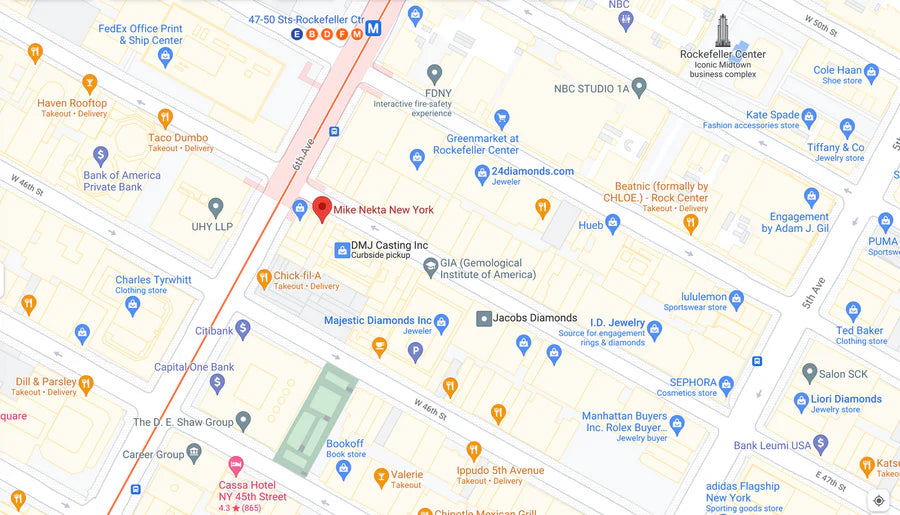
Book an appointment with Mike Nekta New York
If you’re ready to design or select the perfect solitaire lab-grown diamond ring, book an appointment with me, Mike Nekta, at Mike Nekta New York. I’ll help you compare options, avoid costly mistakes, and walk out confident in what you chose.
Book your appointment with Mike Nekta New York today.