
What to Look for in an Oval Cut Diamond Engagement Ring: The Bow-Tie Effect Explained
Oval cut diamond engagement rings have been a popular choice for many years. They combine the brilliance of round diamonds with a sleek, elongated shape that looks good on everyone. I've seen many couples fall in love with these beautiful stones because they can look bigger than round diamonds of the same carat weight while still having a classic appeal.
When it comes to choosing the perfect oval cut diamond engagement ring, it's important to understand its unique features—especially the bow-tie effect explained. This phenomenon can either enhance or diminish your diamond's beauty, so knowing how to assess it is crucial.
During my time working with diamonds, I've helped many clients understand the details of diamond engagement rings. I've guided them through the complexities of cut quality, symmetry, and light performance. The oval cut has its own specific factors that are different from other shapes, which is why having expert knowledge is important for making a wise decision.
In this guide, you'll learn:
- How to spot and assess the bow-tie effect
- The main things that affect a diamond's sparkle and beauty
- Professional methods for choosing superior oval diamonds
- Tips on how to style your ring for maximum impact
Let me share my expertise with you so that your oval diamond can shine bright and look timelessly beautiful.
Understanding the Oval Cut Diamond
The oval cut diamond is a perfect combination of classic elegance and modern sophistication. This elongated diamond shape usually has 60 carefully arranged diamond facets that work together to create exceptional light performance. The precise geometric arrangement includes 33 facets on the crown and 25 on the pavilion, plus the culet and table.
These meticulously crafted facets serve as tiny mirrors, capturing and reflecting light throughout the stone to produce the brilliant sparkle that rivals even the most coveted round diamonds. The facet pattern follows a modified brilliant cut design, ensuring maximum light return while maintaining the distinctive elongated silhouette that defines this cut.
Key characteristics that make oval cuts exceptional:
- Length-to-width ratio: typically ranges from 1.35:1 to 1.50:1 for optimal proportions
- Brilliant-cut faceting: delivers exceptional fire and scintillation
- Symmetrical shape: creates visual balance and harmony
- No sharp corners: reduces the risk of chipping compared to other fancy shapes
The elongated diamond shape creates a visually stunning effect on the finger, making it appear longer and more slender. This flattering optical illusion has made oval cuts increasingly popular among those seeking both elegance and practicality. The smooth, curved edges flow gracefully with the natural contours of the hand, creating an organic and sophisticated appearance that complements various finger shapes and sizes.
What is the Bow-Tie Effect?
The bow-tie effect is a distinct dark shadow that appears horizontally across the center of an oval diamond, resembling a gentleman's bow-tie. It consists of two triangular dark areas on opposite sides of the diamond's center, connected by a darker band running perpendicular to the stone's length.
Causes of the Bow-Tie Effect
The facet arrangement and its interaction with diamond light reflection are the main reasons behind this phenomenon. When light enters an oval diamond, certain facets do not effectively redirect the light back to the viewer's eye. Instead of reflecting brilliantly, these specific areas absorb or misdirect light, creating the characteristic dark zones. The pavilion facets—located on the bottom portion of the diamond—play a crucial role in this optical behavior.
How Geometry Affects Light Performance
This shadow occurs due to the elongated shape of the oval and how its facets are positioned in relation to one another. The angle of the diamond's pavilion and height of its crown must work together to ensure proper light return. When these proportions are not aligned correctly, light leakage increases in predictable patterns, resulting in the formation of a bow-tie shape.
Understanding Fancy-Shaped Diamonds
It's important to note that the bow-tie effect is a natural optical phenomenon found in fancy-shaped diamonds, especially ovals, marquise, and pear shapes. Unlike round brilliant cuts, which have been mathematically optimized for centuries, fancy shapes present unique challenges in achieving perfect light performance across their entire surface area.
Factors Influencing the Bow-Tie Effect
The bow-tie intensity in oval diamonds depends on several critical factors that I've observed throughout my years of evaluating these stunning stones. Cut quality serves as the primary determinant of how pronounced this shadow appears across the diamond's center.
Cut Quality's Impact on Bow-Tie Visibility
Diamonds with Excellent or Ideal cut grades demonstrate superior light performance, which naturally reduces the bow-tie effect's prominence. The precision cutting techniques employed in these higher grades ensure optimal light return, minimizing dark areas that contribute to the shadow formation.
Lower cut grades often exhibit more noticeable bow-tie effects due to less precise facet angles and proportions. The cutter's skill in balancing the diamond's depth, table size, and crown angles directly influences how light travels through the stone.
The Critical Role of Symmetry
Symmetry in diamonds plays an equally important role in bow-tie formation. Perfect symmetry ensures that facets align precisely, allowing light to reflect evenly throughout the stone. When I examine oval diamonds, I look for:
- Consistent facet alignment across both halves of the diamond
- Uniform pavilion angles that promote balanced light reflection
- Precise crown facet positioning that eliminates light leakage
Facet Arrangement and Proportions
Poorly arranged facets create light blockage zones that intensify the bow-tie shadow. Overly elongated proportions—particularly length-to-width ratios exceeding 1.50:1—tend to stretch the facet pattern, creating larger areas where light cannot escape efficiently, resulting in more prominent bow-tie effects.
How to Evaluate Oval Diamonds for Bow-Tie Effect
Evaluating diamonds for the bow-tie effect requires a systematic approach that I've refined through years of helping clients select their perfect stones. The key lies in examining the diamond under various lighting conditions to get a complete picture of how the bow-tie manifests.
Essential Viewing Techniques
Start by observing the diamond under natural daylight, then move to fluorescent lighting, and finally examine it under LED spotlights. Each lighting environment reveals different aspects of the bow-tie effect. Natural light provides the most accurate representation of how the diamond will appear in everyday wear, while artificial lighting can either mask or exaggerate the shadow.
Hold the diamond at different angles—straight on, tilted left and right, and at various distances from your eye. The bow-tie's intensity often changes dramatically with viewing angle, and this movement test reveals whether the effect is subtle or distracting.
Critical Symmetry Check Points
Examine the diamond's outline for perfect symmetry. The left and right halves should mirror each other exactly. Any asymmetry in the facet arrangement directly correlates to bow-tie visibility. I always recommend using a loupe or magnification to inspect:
- Facet alignment along the center line
- Consistent angles between corresponding facets
- Uniform light reflection across both halves
Personal Preference Balance
Some clients actually prefer a subtle bow-tie effect, viewing it as character that distinguishes their oval from a round diamond. The acceptable level varies significantly between individuals—what appears minimal to one person might seem prominent to another.
Additional Considerations When Choosing an Oval Cut Diamond Engagement Ring
Beyond evaluating the bow-tie effect, several key factors significantly impact your oval diamond selection. The carat weight appearance of oval diamonds creates a compelling advantage - their elongated shape provides approximately 10% more surface area than round diamonds of identical weight. This means a 1-carat oval diamond visually appears larger than its round counterpart, delivering exceptional value for couples seeking maximum visual impact.
Cut grades play a crucial role in both brilliance and bow-tie minimization. Diamonds graded as Ideal and Excellent cuts represent the pinnacle of precision craftsmanship, featuring:
- Optimal facet angles that maximize light return
- Superior symmetry that reduces bow-tie visibility
- Enhanced fire and scintillation across the stone's surface
I consistently recommend prioritizing these premium cut grades because they deliver noticeably superior performance. The precision required for Ideal or Excellent ratings ensures facets align perfectly, creating the light reflection patterns that minimize unwanted shadows.
Lower cut grades present tempting affordability trade-offs, but come with significant drawbacks. Good or Fair cut grades often feature:
- More pronounced bow-tie effects
- Reduced brilliance and fire
- Uneven light distribution patterns
While these diamonds cost less initially, they may disappoint in daily wear. The savings rarely justify compromising on the visual beauty that makes oval diamonds so captivating. Your engagement ring represents a lifetime investment - selecting superior cut quality ensures enduring satisfaction with your choice.
Styling Tips for Oval Cut Diamond Engagement Rings
The elongated shape of oval diamonds opens up exciting possibilities when selecting ring settings for ovals. I've found that certain settings naturally enhance the stone's inherent beauty while also considering practical aspects.
Popular Setting Options:
- Solitaire settings create a clean, timeless look that allows the oval's natural brilliance to take center stage
- Halo settings amplify the diamond's apparent size while adding extra sparkle around the edges
- Three-stone settings complement the oval's length with side stones that create visual balance
- Vintage-inspired settings with intricate details enhance the romantic appeal of the oval shape
One of the most celebrated advantages of the oval cut is its ability to create a finger slimming effect. The vertical orientation of the diamond creates an optical illusion that elongates fingers, making them appear more slender and elegant. This flattering characteristic works particularly well on shorter fingers, where the length helps create a more proportional appearance.
Oval diamonds are versatile and can bridge both classic and trendy styles, making them perfect for brides who want a mix of timeless appeal and contemporary flair. The shape feels familiar enough to satisfy traditional preferences while offering a distinctive alternative to round diamonds. This versatility allows oval engagement rings to complement various personal styles, from minimalist modern aesthetics to ornate vintage-inspired designs.
When considering What to Look for in an Oval Cut Diamond Engagement Ring: The Bow-Tie Effect Explained, remember that your choice of setting can actually help minimize any visibility of the bow-tie through strategic light reflection and visual distraction techniques.
Book Your Appointment With Mike Nekta New York For Expert Guidance on Selecting Your Perfect Oval Cut Diamond Engagement Ring!
Selecting the perfect oval cut diamond engagement ring requires careful evaluation to ensure maximum sparkle and beauty. Understanding what to look for in an oval cut diamond engagement ring: the bow-tie effect explained becomes crucial when making this significant investment. The timeless appeal and unique charm of well-selected oval cut engagement rings make them an exceptional choice for couples seeking both elegance and brilliance.
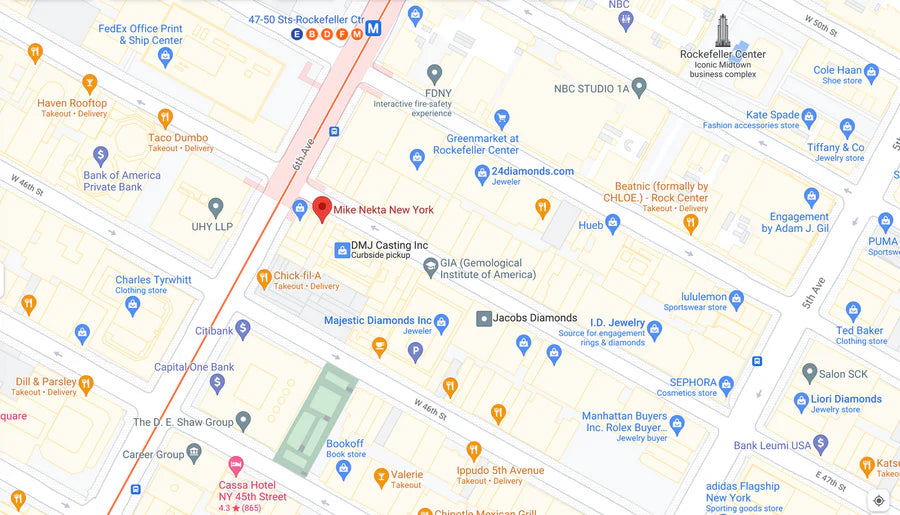
I invite you to book a personalized appointment with me at Mike Nekta New York, where my expertise in diamond selection will guide you through every aspect of choosing your perfect oval cut diamond engagement ring. My professional evaluation process ensures you avoid common pitfalls like excessive bow-tie effects that can diminish your diamond's beauty.
Benefits of professional guidance include:
- Expert assessment of cut quality and symmetry
- Personalized evaluation under various lighting conditions
- Tailored advice based on your preferences and budget
- Access to premium oval diamonds with minimal bow-tie effects
- Comprehensive education on diamond characteristics
The investment in professional consultation pays dividends in securing a diamond that maximizes brilliance while minimizing unwanted optical effects. My years of experience in New York's diamond district provide you with insider knowledge and access to exceptional stones that meet the highest standards of beauty and craftsmanship.
Contact Mike Nekta New York today to schedule your appointment and discover the perfect oval cut diamond that will captivate for generations to come.