
Non-Traditional Men’s Wedding Band Styles to Steal
Most guys start wedding band shopping with one idea in their head: a plain gold band, done.
And look, I love a classic. I also know why it’s the default. It feels safe. It feels “wedding.” Nobody questions it.
But here’s what I’ve learned working with men who actually care about detail, comfort, and longevity: the safest choice is not always the smartest choice. Your ring is the only piece of jewelry most men wear every day, for decades. If it doesn’t fit your lifestyle, your taste, and your hands, you’ll feel it every single day.
So if you’re the guy who doesn’t want what everyone else has, this post is for you. These are non-traditional men’s wedding band styles worth stealing. Not gimmicks. Not trends that fall apart. Real options that can be built to last, look intentional, and feel like you.
The Problem With “Standard” Men’s Wedding Bands
A lot of bands are made to sell, not to serve.
They’re designed around a quick purchase, not real wear. That’s why I see the same issues over and over:
- Rings that look great in the box but feel sharp on the finger
- Finishes that scratch in a week and never look clean again
- Materials chosen for marketing, not maintenance
- Sizing that’s “close enough” until your hands swell and the ring becomes a problem
That’s why I say: They’re selling jewelry; I’m solving problems.
Now let’s get into the styles.
1) Matte finishes that look expensive without trying
High-polish bands are everywhere. Matte is where you go when you want quiet confidence.
A matte finish hides everyday scuffs better, photographs beautifully, and looks modern without screaming for attention. The key is choosing the right matte:
- Satin matte: subtle, refined, still catches light
- Brushed: directional texture, more industrial
- Sandblasted: soft, almost velvety, very contemporary
If you work with your hands, a matte finish can be a smart move because it wears in more naturally. The only thing I watch is consistency. Some “matte” bands are just cheaply brushed and they turn patchy fast.
2) Mixed metals that don’t look like a fashion experiment
Two-tone rings can look incredible when they’re done with intention.
The trick is contrast and proportion. A thin inlay can feel like a detail. A heavy stripe can feel like a design statement. Both work if the ring matches your style.
Some combinations that consistently look strong:
- Yellow gold with platinum edges (classic meets armor)
- Rose gold inlay inside a white metal band (warm detail, clean face)
- White gold with blackened accents (modern, but controlled)
Mixed metal also matters if you wear a watch. If your watch is stainless steel and you want yellow gold somewhere in your life, this is a clean way to bridge both worlds.
3) Knife-edge bands that look sharp but wear comfortably
A knife-edge band gives you that tailored, architectural profile. It’s not “bulky man ring.” It’s not flat and boring either. It has presence.
Done right, it looks sharp and masculine. Done wrong, it feels sharp and punishes your finger.
This is where detail work matters: the edge needs to be defined visually, but softened where it touches skin. I design these so you get the look without the discomfort.
4) Carved or channeled details (without turning into a “tactical” ring)
A carved groove or channel can make a plain band feel custom, even if the ring stays minimal.
What works best:
- One clean center channel
- Off-center groove (subtle and modern)
- Double micro-grooves framing a matte center
What I avoid for most clients is overdone patterns that collect grime and look dated fast. A ring should age well. If the design is too loud, you’ll outgrow it before the marriage has even hit its stride.
5) Signet-inspired wedding bands
This one is underrated.
A signet-inspired band gives you a slightly taller top, a strong silhouette, and a heritage feel. It’s perfect for men who want something with identity, not just a band.
You can keep it clean and blank, or add something meaningful:
- A minimal initial
- A family symbol
- A subtle texture or matte top with polished sides
This style also looks great on larger hands because it has structure. It doesn’t disappear.
6) Black metals that actually hold up
Black rings are popular. The problem is most of them look great for two months, then the coating fails, chips, or turns uneven.
If you want black, you need to understand what “black” means:
- Some rings are plated (this is where problems start)
- Some are treated (more durable depending on method)
- Some are naturally dark materials (each with tradeoffs)
I’m not against black rings. I’m against clients getting sold a fantasy. If you can’t maintain it, you shouldn’t buy it.
This is why I tell people: If you can’t see the difference, you’ll feel it later in repairs.
7) Textured bands that look like they were made, not manufactured
Texture is how you make a ring feel personal without adding stones or flashy design.
Options I love when done cleanly:
- Hammered (not overly cratered, just controlled)
- Florentine finish (fine crosshatch that catches light)
- Linear striations (clean, modern, directional)
- Organic “forged” texture (great for rugged style)
Texture can also hide micro-scratches better than high polish. It gives the ring a lived-in elegance. The key is making sure the texture is intentional and repeatable, not random tool marks.
8) Minimal diamond or gemstone accents that still feel masculine
A lot of guys say, “No diamonds.”
Then they see one done correctly: small, flush-set, and placed with discipline. Not a glitter strip. Not a disco ring. Just a tight detail.
What works:
- One small flush-set diamond (center or off-center)
- Three micro stones for symbolism (past, present, future)
- Dark stones like black diamond or sapphire for a stealth look
Stone setting quality matters here. If it’s not set properly, it will loosen over time. A men’s ring takes hits. It needs to be built for that reality.
9) Comfort-fit bands that you forget you’re wearing
This is not flashy, but it’s one of the most important “styles” you can choose.
Comfort-fit means the inside of the band is slightly rounded. It slides on easier, it feels smoother, and it’s better for daily wear.
If you’ve never worn a ring, comfort-fit can make the difference between loving your band and constantly wanting to take it off.
Comfort is not optional. You’re wearing this for decades.
10) Custom interior details (the secret flex)
If you want non-traditional but still want the outside clean, go inside.
Interior details I’ve made for clients:
- Hidden engraving with coordinates or a phrase
- A polished interior with matte exterior contrast
- Fingerprint engraving (done properly, not blurry gimmicks)
- A small hidden stone on the inside
It’s personal. It’s private. And it keeps the ring timeless from the outside.
How I Help You Choose The Right Non-Traditional Band
Here’s my honest process with clients:
- We talk lifestyle first: work, gym, travel, hand use, heat, chemicals
- We look at what you already wear: watch, bracelets, metal preferences
- We choose the profile: flat, domed, knife-edge, signet-inspired
- We dial in the finish and details that will age well
- We make sure it fits correctly, including comfort-fit and proper sizing
That’s how you avoid buying a ring that looks good for a week and becomes a problem later.
Mastery ages well. Trends don’t.
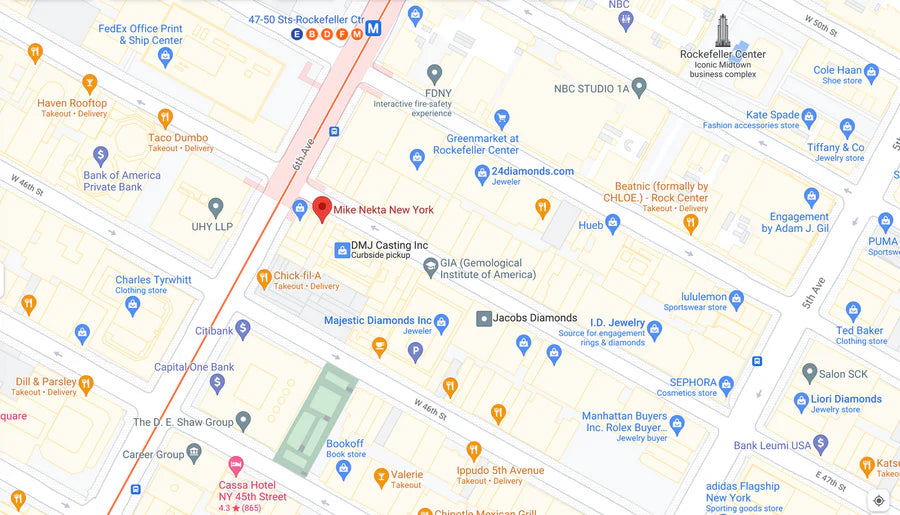
Book An Appointment With Mike Nekta New York
If you’re serious about a non-traditional men’s wedding band that actually fits your life and holds up, book an appointment with me.
I’m Mike Nekta, and I don’t do guesswork. Come with questions. Leave with clarity.