
Natural Pink Diamonds: What Buyers Should Know
Natural pink diamonds are real diamonds that formed in the earth and came out with a pink body color, and yes, they are among the rarest things I get asked for on 47th Street. If you’re thinking about buying one, the big buyer takeaway is this: you’re not just choosing a pretty shade of pink, you’re verifying what it is, how it was graded, and what you’re actually getting for the money.
I’m Mike Nekta, third generation jeweler and GIA certified diamond guy here at 74 W 47th St in Manhattan’s Diamond District (appointments only, +1 212-921-4647). I’ve had plenty of clients come in with screenshots, auction headlines, and a dream color in their head. Totally normal. My job is to slow it down a little and make sure the stone in front of us matches the story.
Is a “natural pink diamond” the same as a “fancy pink diamond”?
Usually, yes, but the wording matters.
A natural pink diamond means the color origin is natural (not treated, not lab grown) and the diamond is mined. “Fancy Pink” is a GIA color grade term, part of the scale for colored diamonds.
What I look for on a report is the plain language that makes this clean:
- The grading lab (ideally GIA for colored diamonds, since the trade understands it and it’s consistent)
- The stated color, like Fancy Light Pink, Fancy Pink, Fancy Intense Pink, etc.
- And most important, the line that indicates natural color (and no treatment statements that change what it is)
If a seller is avoiding the lab report conversation or they’re describing color with marketing words only, that’s where buyers get burned.
For instance, if you're looking for something unique like a 0.15 carat pear shape natural fancy intense purplish pink diamond or perhaps a 0.17 carat round natural fancy orangy pink one, it's crucial to ensure you're aware of these grading terms.
Moreover, if you're interested in exploring options such as a 0.29 carat oval natural fancy purplish pink loose diamond or even a 0.15 carat pear shape natural fancy brownish purplish pink loose diamond, it's crucial to read the report wording just as carefully.
How do natural pink diamonds actually get their color?
This is the part people don’t expect.
With most pink diamonds, we’re not talking about a trace element like boron in blue diamonds. A lot of pink is believed to come from crystal lattice distortion, basically the structure of the diamond got “shifted” during formation. That distortion interacts with light and we see pink.
Why does this matter when you’re buying?
Because pink can look very different depending on the cut, the shape, the lighting, and the undertone. Two stones can both say “Fancy Pink” and one looks like a soft rose, the other leans peachy, the other is slightly purplish. On paper it can sound similar. Under a loupe and in real lighting, it can feel like a different stone entirely.
For instance, take a look at this 0.63-carat radiant cut natural fancy intense pink diamond. Its vibrant color is a result of its unique formation process.
What’s the difference between natural pink, treated pink, and lab grown pink?
This is probably the single most important buyer question.
Natural pink (mined, natural color)
- Rarest category
- Usually priced accordingly
- Color is part of the diamond’s natural formation
- The report should clearly support that
A prime example of this would be a 0.35-carat emerald cut natural fancy brownish pink diamond, which showcases the beauty of a naturally formed pink diamond.
Treated pink (still mined, but color was enhanced)
- The diamond is natural, but the pink color was created or improved by treatment
- Treatments can include HPHT and irradiation related processes
- The lab report should disclose treatment
- This can be a perfectly valid purchase if you’re informed and paying “treated money” for it, not natural money
Lab grown pink
- Real diamond, grown in a lab
- Can be beautiful, and the color can be very vibrant
- But it’s not a natural fancy color stone, and the market value behaves differently
- You want proper disclosure and the correct lab documentation for lab grown
In my office, I say it very simply: tell me what you want the stone to be, and I’ll help you shop inside that box. The problem is when someone thinks they’re shopping in one box and the diamond is actually in another.
What should I check on the grading report?
When I’m vetting a natural pink diamond for a client, I’m basically reading the report like a contract, then I’m verifying it with my eyes.
Here’s what matters:
1) The lab and the wording
For pink diamonds, you want a report that the market respects and that’s detailed enough to stand on its own. If it’s GIA, we’re speaking the same language.
2) Color grade, and the modifiers
Pink diamonds often have modifiers. You’ll see things like:
- Purplish Pink
- Brownish Pink
- Orangy Pink
- Grayish Pink
Those extra words are not “small details”. They can change the look and value a lot. A clean, pure pink face up is harder to find than people think.
3) Clarity, but in a realistic way
Clarity is still clarity, but with fancy colors, color often wins. That said, I’m still inspecting inclusions for durability and visibility.
Under the loupe, I’m asking:
- Is the inclusion dead center and obvious?
- Is there anything that could compromise the stone during setting, like a feather near a corner in a shape that has corners?
- Do we have any surface reaching inclusions in a spot that’s going to be exposed?
4) Cut style and how it returns color
A lot of fancy color diamonds are cut to show color, not to chase the same light performance rules you hear about for colorless stones.
That’s not a bad thing, it’s just different.
I check:
- Does the stone have a “window” (see through area) where color looks weak?
- Is the color concentrated in one zone?
- Does it go dead in certain lighting?
I’ll move it from office lighting to neutral lighting, to spot lighting, and yes, sometimes I’ll even step near the window. Real life matters.
What shapes work best for pink diamonds?
There’s no universal “best”, but some shapes make it easier to enjoy the color.
- Radiant and cushion cuts are common because they can hold and return color nicely.
- Oval and pear can look larger for the carat weight and can be very pretty in pink, but you have to watch bow tie areas and uneven color.
- Round pink diamonds exist, but the supply is tighter and pricing can reflect that.
- Emerald cut pink diamonds can be stunning, very clean and architectural, but they also reveal zoning and windowing more easily. You need a careful eye.
If you’re buying for an engagement ring, we talk about lifestyle too. A shape with corners needs protective prongs or a setting style that keeps those points safe.
Why does the same “Fancy Pink” look different from stone to stone?
Because the report isn’t a photograph of the diamond’s personality.
A colored diamond is about:
- Hue (pink, purplish pink, orangy pink)
- Tone (lightness or darkness)
- Saturation (strength of the color)
- Plus cut decisions that can intensify or dilute the face up color
Two diamonds can land in the same broad grade and still feel totally different on the hand.
This is why I prefer to evaluate in person when possible. When clients shop from photos only, they fall in love with a specific lighting setup. Then the stone arrives and it looks “different”. Not worse necessarily. Just different.
Should I prioritize color or size?
Most people say size at first. Then they see color in person.
If you want that unmistakable pink presence, color intensity usually matters more than chasing a larger carat number. A slightly smaller stone with stronger, prettier color can read more luxurious than a bigger stone that looks washed out.
The way I guide clients is simple:
- First pick the pink you actually want to live with every day.
- Then we work backward into size, shape, and setting to maximize it.
How do I think about settings for a natural pink diamond?
This is where my bench experience kicks in.
A setting is not just style. It’s also color management and protection.
Metal choice changes the pink
- Rose gold can enhance warmth and make a pink feel richer, but it can also push a borderline stone into looking more peachy.
- Yellow gold can warm everything up, sometimes in a good way, sometimes too much.
- Platinum or white gold can keep things cleaner and help you see the pink more “as is”.
I usually show clients the stone against different metals before we finalize anything.
Halo or no halo?
A halo can make a pink center look larger and can add contrast, but the melee (small diamonds) quality matters a lot. If the melee is too warm, it can change the perception of the center. If it’s too icy and the center is soft, you might feel the center looks “less pink” by comparison.
Prongs, corners, and wear
If you choose a shape with corners, the prongs have to do real work. I’m thinking about:
- Corner security
- How low we can set it while still allowing light
- Whether the client is hard on jewelry (some people are, no judgment, I just design for reality)
What do buyers usually get wrong when shopping pink diamonds?
A few patterns, over and over.
1) Thinking every pink diamond is automatically “investment grade”
I’m careful with that word. Diamonds are not stocks. Some stones hold value better than others, and rarity matters, but you should buy because you love it first. If a purchase has to perform like a financial product to feel “safe”, we need to talk more before you buy.
2) Shopping a pink diamond like a colorless diamond
The rules aren’t identical. Cut proportions and clarity priorities shift. Color is the headline.
3) Falling for one perfect photo
Fancy color diamonds are notoriously sensitive to lighting and background. I want to see the stone move, see it in different light, and compare it next to other pinks so your eye calibrates.
4) Ignoring treatment and origin language
Natural vs treated vs lab grown is not a moral issue. It’s a disclosure and value issue. Buy what you want. Just label it correctly and pay accordingly.
Can I do a custom engagement ring around a natural pink diamond?
Yes, and it’s one of my favorite projects, because it forces everyone to slow down and make intentional choices.
Sometimes we start with a stone you already have. Sometimes we source the diamond first and build around it. Either way, the process is the same: we look at the pink in person, talk about metal, talk about proportions on the hand, then design a setting that protects the stone and flatters the color.
If you want to see the kind of work we do, you can browse our engagement ring collection here:
https://www.nektanewyork.com/collections/engagement-rings
And if you want to sit down and go through options properly, book an appointment with me here:
https://www.nektanewyork.com/pages/book-online
Or call the shop line: +1 212-921-4647.
If you want to see how a fancy pink diamond actually reads on camera, watch my video Three Carat Rose Cut Fancy Pink Diamond on YouTube.
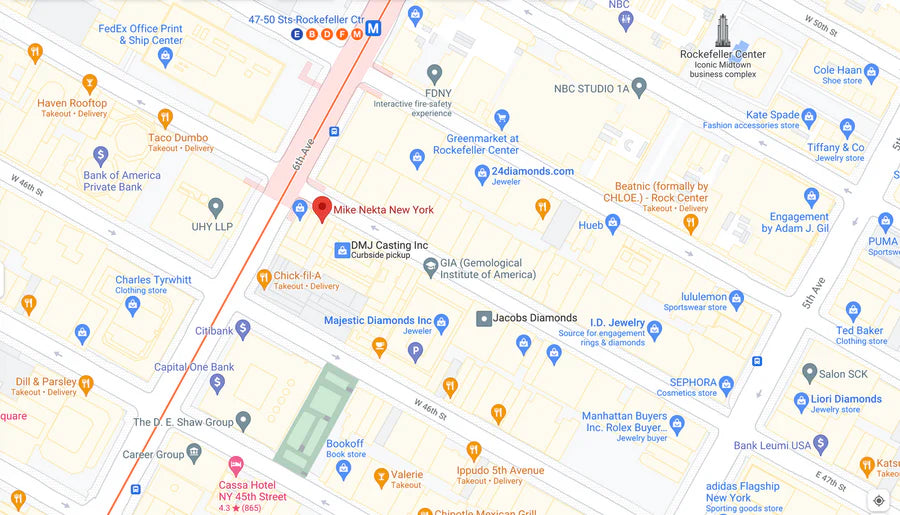
Find me in the Diamond District (map)
FAQs (Frequently Asked Questions)
What exactly is a natural pink diamond?
A natural pink diamond is a real diamond that formed naturally in the earth and displays a pink body color without any treatment or lab growth. It is mined and its pink hue results from natural crystal lattice distortion during formation.
Is a 'natural pink diamond' the same as a 'fancy pink diamond'?
Usually, yes. A natural pink diamond means the color origin is natural and the stone is mined, while 'Fancy Pink' is a GIA color grade term describing the intensity of the pink color. It's important to verify that the diamond's report states both the grading lab (ideally GIA), the specific fancy color grade, and confirms natural color without treatments.
How do natural pink diamonds get their unique color?
Unlike some colored diamonds where trace elements cause color, most natural pink diamonds derive their color from crystal lattice distortion during formation. This structural shift alters how light interacts with the stone, producing various shades of pink that can range from soft rose to purplish or peachy tones.
What should I look for on a diamond grading report when buying a natural pink diamond?
Ensure the report is from a reputable lab like GIA, clearly states the fancy color grade (e.g., Fancy Intense Pink), and explicitly mentions that the color is natural with no treatments. Avoid sellers who use only marketing terms without providing proper lab documentation.
What are the differences between natural pink, treated pink, and lab-grown pink diamonds?
Natural pink diamonds are mined with their inherent color and are rare and typically priced higher. Treated pink diamonds are mined but have undergone processes like HPHT or irradiation to enhance or create their pink color; these treatments must be disclosed on reports and usually cost less than natural stones. Lab-grown pink diamonds are created in labs and not mined; they can mimic natural colors but differ in origin and value.
Why is it important to verify what you're actually getting when purchasing a natural pink diamond?
Because many buyers come with dream colors influenced by images or auctions, it's crucial to slow down and confirm authenticity through proper grading reports. Color appearance can vary significantly depending on cut, lighting, and undertone. Verifying ensures you pay appropriately for a genuine, untreated natural pink diamond rather than being misled by marketing or treated stones.