
Why Lab-Grown Yellow Diamonds Are the Ethical Choice for Modern Buyers
Over the last ten years, I've seen a significant change in how people buy diamonds. Lab-grown yellow diamonds have become an attractive option for today's buyers who want both beauty and values. These exquisite gems are made in controlled laboratory settings, imitating the same natural processes that happen deep within the Earth—but without any ethical issues.
The appeal goes far beyond aesthetics. When I consult with clients, they're increasingly concerned about the origins of their jewelry. They want to know their purchase doesn't contribute to environmental destruction, labor exploitation, or conflict financing. Lab-grown yellow diamonds answer these concerns directly.
The benefits are clear:
- 30-40% cost savings compared to mined equivalents
- Identical quality to natural diamonds in every measurable way
- Minimal environmental impact during production
- Complete transparency in sourcing and creation
For conscious consumers seeking that perfect sunny brilliance, lab-grown yellow diamonds represent an ethical choice that aligns luxury with responsibility.
Understanding Lab-Grown Yellow Diamonds
When I first started working with lab grown yellow diamonds, I was fascinated by the precision and science behind their creation. These stunning gems emerge from two primary methods that replicate nature's diamond-forming conditions in controlled laboratory settings.
The High Pressure High Temperature (HPHT) Process
The High Pressure High Temperature (HPHT) process mimics the intense conditions found deep within the Earth's mantle. Scientists place a small diamond seed in carbon and subject it to pressures exceeding 1.5 million pounds per square inch at temperatures around 1,500°C. The carbon melts and begins crystallizing around the seed, forming a diamond over several weeks.
The Chemical Vapor Deposition (CVD) Method
The Chemical Vapor Deposition (CVD) method takes a different approach. A thin diamond seed sits in a sealed chamber filled with carbon-rich gases. When heated to about 800°C, the gases ionize, and carbon atoms deposit onto the seed layer by layer, building the diamond crystal structure.
What makes lab-grown yellow diamonds truly remarkable is their complete chemical and physical equivalence to natural diamonds. Both share the same carbon crystal lattice structure, identical hardness of 10 on the Mohs scale, and matching optical properties.
The vibrant yellow hue comes from nitrogen molecules incorporated during the diamond creation process—the same element responsible for color in natural yellow diamonds. The concentration and arrangement of these nitrogen atoms determine the intensity of the yellow color, ranging from subtle champagne tones to brilliant canary yellows.
These Fancy Yellow Diamonds, often referred to as "Canary Diamonds," are particularly sought after for their captivating warmth and radiance that sets them apart from traditional white diamonds.
Understanding Yellow Diamond Hues and Color Grading
When working with clients looking for yellow lab-grown diamonds, I always make it clear that not all yellow diamonds are the same. The diamond color grading system for yellow diamonds is quite detailed, starting from very subtle colors and going up to bright, intense shades.
The Grading Scale Explained
The official grading scale starts with Faint Yellow, where the color is barely noticeable, then goes on to Very Light and Light categories. These lower-intensity stones often attract buyers who want a touch of warmth without a strong color presence. After that, we move into the "Fancy" categories:
- Fancy Light Yellow – A noticeable but gentle yellow tone
- Fancy Yellow – A clear, distinct yellow color
- Fancy Intense Yellow – Rich, vibrant saturation
- Fancy Vivid Yellow – The most sought-after, displaying exceptional brilliance and depth
- Fancy Deep Yellow – Darker, more concentrated color
- Fancy Dark Yellow – The deepest saturation level
The intensity and tone of the diamond can greatly affect its visual appeal and market value. A Fancy Vivid stone commands higher prices because of its exceptional color saturation, while secondary hues like brown or gray undertones can make it less desirable.
The Impact of Lab-Grown Technology
I've noticed that buyers are increasingly appreciating how lab-grown technology allows consistent access to these higher-intensity grades at affordable prices, making those stunning vivid yellows attainable for more people. For instance, a recent client was thrilled with their purchase of a 40-carat radiant cut fancy yellow diamond ring in platinum and 18K gold, featuring VS2 clarity—a striking design by Mike Nekta for ultimate luxury.
Ethical Advantages of Choosing Lab-Grown Yellow Diamonds
When I talk with clients about ethical sourcing, the conversation often centers on the stark differences between mined and lab-grown diamonds. The traditional diamond mining industry has long been associated with serious human rights concerns. Many mining operations have displaced indigenous communities, disrupted local ecosystems, and created dangerous working conditions for miners who often receive minimal compensation for their labor.
Lab-grown yellow diamonds eliminate these troubling issues entirely. Created in controlled laboratory settings, these stones don't require excavation, meaning no communities are displaced and no workers are subjected to hazardous underground conditions. The production process is transparent, with clear oversight of labor practices and working environments.
The issue of conflict-free diamonds remains particularly important for conscious consumers. Despite certification systems like the Kimberley Process, mined diamonds can still inadvertently fund violence or oppressive regimes in certain regions. Lab-grown stones remove this risk completely—there's simply no possibility of your purchase contributing to conflict financing.
Choosing sustainable jewelry means knowing exactly where your diamond comes from and how it was produced. I've seen how this peace of mind transforms the buying experience for my clients. They wear their yellow diamond pieces with genuine pride, knowing their beautiful jewelry aligns with their values rather than contradicting them.
Affordable Quality and Beauty
Many clients are often surprised to learn about the price difference between lab-grown and natural yellow diamonds. The truth is clear: affordable lab grown yellow diamonds usually cost 30-40% less than mined ones, and this significant savings doesn't mean lower quality.
It's important for buyers to understand that the lower price of lab-grown yellow diamonds comes from how they're made, not from any compromise in quality. When you compare certified lab diamonds with natural stones, you'll see they're chemically and physically the same. They have the same brilliance, hardness, and beautiful yellow colors—but at a much lower price.
How Lab-Grown Diamonds Save You Money
Lab-grown diamonds save money by avoiding costs associated with natural diamonds:
- No expensive mining operations
- Shorter supply chains
- Lower markup structures
These factors usually drive up the price of natural diamonds but don't affect lab-grown ones.
I often show clients certification reports from trusted gemological laboratories, and they're often amazed to see that lab-grown yellow diamonds receive the same grading standards as natural stones. The 4Cs—cut, color, clarity, and carat—are assessed using the same criteria. A fancy vivid yellow lab-grown diamond has the same intense color as a natural fancy vivid yellow diamond, yet costs significantly less.
This price advantage means you can either save money or use your budget for a larger, more impressive stone with better color intensity.
Sustainability: A Key Consideration for Conscious Consumers
When I discuss sustainable diamonds with my clients, the environmental impact becomes immediately clear. Traditional diamond mining operations leave lasting scars on our planet—vast open pits that displace entire ecosystems, contaminated water sources, and massive carbon footprints from heavy machinery and transportation networks spanning continents.
Lab-grown yellow diamonds present a dramatically different picture. The controlled laboratory environment requires significantly less energy and produces minimal waste compared to extracting diamonds from deep within the earth. I've watched the eco-friendly jewelry movement gain momentum as buyers recognize that their purchasing decisions directly influence environmental outcomes.
The numbers speak volumes: creating a lab-grown diamond generates substantially fewer carbon emissions than mining operations that must move tons of earth to extract a single carat. No forests are cleared, no rivers are diverted, and no wildlife habitats are destroyed in the process. The compact footprint of a laboratory facility stands in stark contrast to mining operations that can span hundreds of acres.
For clients who prioritize environmental stewardship, this distinction matters deeply. They want their jewelry to represent not just beauty and commitment, but also their values. Lab-grown yellow diamonds allow them to wear stunning pieces without the environmental guilt that can accompany traditionally mined stones. The technology continues advancing, making the production process even more energy-efficient with each passing year.
Variety, Customization Options, and Fast Delivery Times for Lab-Grown Yellow Diamonds
When I work with clients seeking lab-grown yellow diamonds, one of the most exciting aspects is the incredible variety of cuts available to showcase these stunning stones. The beauty of fancy yellow lab grown diamonds truly comes alive through strategic cut selection.
Popular cuts that maximize yellow diamond brilliance include:
- Round Brilliant: The classic choice featuring 58 facets that create exceptional sparkle while intensifying the yellow hue
- Cushion Cut: Soft, rounded corners paired with larger facets that allow the yellow color to pool beautifully, creating depth
- Radiant Cut: A hybrid design combining brilliant and step-cut facets, perfect for displaying vibrant yellow tones
- Oval and Pear Shapes: Elongated silhouettes that create the illusion of larger carat weight while maintaining color intensity
- Emerald and Asscher Cuts: Step-cut facets that showcase color saturation with elegant, sophisticated appeal
The controlled laboratory environment allows for precision cutting that brings out the best in each stone's natural yellow brilliance. I've noticed that fancy yellow lab grown diamonds cuts can be tailored to individual preferences without the limitations often encountered with mined stones.
Production timelines represent another significant advantage. Where natural yellow diamonds require extensive mining and sorting processes, lab-grown alternatives can be produced and delivered within weeks rather than months. This efficiency means my clients receive their custom pieces faster, whether they're designing an engagement ring or a statement pendant.
The Growing Demand for Lab-Grown Yellow Diamonds Among Modern Buyers
I've witnessed a remarkable shift in how my clients approach diamond purchases. The conversation has evolved from simply asking about carat weight and clarity to deep discussions about sourcing, environmental impact, and ethical production methods. This transformation reflects broader modern jewelry trends that prioritize conscious consumption alongside aesthetic beauty.
Ethical consumerism has become a defining characteristic of today's diamond buyers, particularly among millennials and Gen Z consumers who research extensively before making significant purchases. These buyers demand complete transparency about where their diamonds come from and how they're produced. Lab-grown yellow diamonds answer these concerns directly, offering full traceability from laboratory to final setting.
The appeal extends beyond ethics alone. Today's buyers recognize that choosing a lab-grown yellow diamond doesn't mean settling for less. These stones deliver:
- Identical physical properties to mined diamonds, certified by the same gemological institutes
- Stunning visual impact with vibrant yellow hues that rival or surpass natural specimens
- Investment in values rather than compromising personal beliefs for traditional luxury
The jewelry industry has responded to this demand with expanded offerings, better education, and increased accessibility. What was once a niche market has become mainstream, with lab-grown yellow diamonds now featured prominently in engagement rings, statement pieces, and fine jewelry collections.
Conclusion
As someone who has spent years helping clients navigate the world of lab-grown yellow diamonds, I can confidently say these stones represent the future of ethical jewelry. The choice you make today reflects your values—and opting for lab-grown means standing for transparency, sustainability, and responsible sourcing.
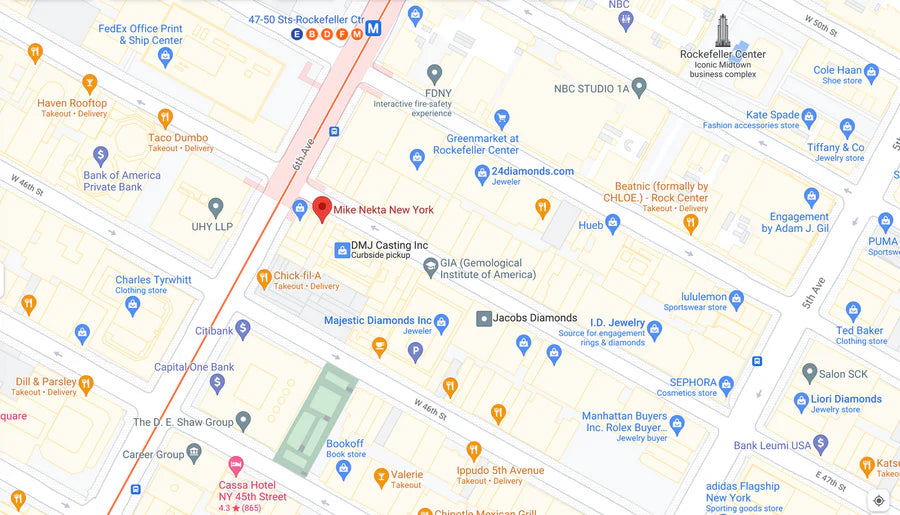
If you're ready to explore how a lab-grown yellow diamond can become your perfect piece, I invite you to book an appointment with me, Mike Nekta. During our personalized consultation, we'll discuss your specific preferences, budget, and design vision. I'll guide you through color grades, cuts, and customization options to ensure you find exactly what you're looking for.
For instance, we could explore options like the Venus 6-carat yellow diamond heart-shaped engagement ring with a stunning pink diamond halo—an exquisite choice for your forever.
This ethical diamond buying guide is just the beginning. Let's work together to create something beautiful that aligns with your principles. Your journey toward owning a stunning, responsibly-sourced yellow diamond starts with a conversation. Reach out today, and let's make your vision a reality.