
Lab Diamonds vs Real Diamonds: Which is Worth Your Money?
Choosing between lab-grown and natural diamonds is a decision I walk through with clients every day. Both are real diamonds with the same physical and chemical properties. They offer the same brilliance, strength, and beauty that have fascinated people for generations. But there are key differences that can shape your choice depending on what matters most to you.
How They're Made: Nature vs. Technology
Natural diamonds are created deep within the Earth’s crust over billions of years. I always tell clients it’s like holding a piece of the planet’s ancient history. On the other hand, lab-grown diamonds are created using cutting-edge technology in controlled lab environments. They can be grown in just a few weeks, but the results are stunningly identical in appearance and composition.
Here’s how I break it down:
- Origin and Creation: Lab diamonds take weeks to create, while natural diamonds take billions of years.
- Price Point: Lab diamonds are 30-90% cheaper than natural diamonds.
- Environmental Impact: Lab diamonds have a smaller environmental footprint compared to mining operations required for natural diamonds.
- Market Value: Natural diamonds generally retain value better over time compared to lab diamonds.
- Emotional Significance: Natural diamonds have a traditional appeal, while lab diamonds represent a modern choice.
Choosing the right diamond not only affects your budget but also reflects your personal values and style preferences. Your decision can convey your stance on environmental sustainability, traditional beliefs, or financial priorities.
Remember that a diamond's worth goes beyond its price, it's an investment in something meaningful. Whether it's an engagement ring symbolizing love, an anniversary gift celebrating years together, or simply a beautiful accessory for yourself, understanding what sets each type apart will empower you to make choices aligned with what matters most to you.
Understanding Lab-Grown Diamonds
Lab-grown diamonds have come a long way. I’ve watched their quality and credibility grow rapidly in the past decade. They are not synthetic or fake, they're real diamonds, identical in structure, beauty, and durability to natural ones.
Creation Process of Lab-Grown Diamonds
Most lab-grown diamonds I work with are created through one of two methods:
1. Chemical Vapor Deposition (CVD)
This CVD method involves the following steps:
- A thin diamond seed plate is used as a starting point.
- The seed plate is placed in a sealed chamber that is heated to 800°C.
- A carbon-rich gas, such as methane, is introduced into the chamber.
- The gas breaks down and pure carbon attaches itself to the seed plate.
- The diamond crystal grows gradually, layer by layer.
- The entire process takes about 3-4 weeks.
2. High Pressure High Temperature (HPHT)
The HPHT method aims to replicate the natural conditions under which diamonds form. Here are the key steps involved:
- A carbon source, usually graphite, is used.
- Pressure up to 70,000 atmospheres is applied.
- Temperatures exceeding 1,500°C are reached.
- A diamond seed is introduced to initiate crystallization.
- The formation of the diamond is completed within 7-10 days.
The creation of colored lab diamonds involves adding specific trace elements during the growth process:
- Boron → Blue diamonds
- Nitrogen → Yellow diamonds
- Manipulation of crystal structure → Pink diamonds
Characteristics of Lab-Grown Diamonds
Lab-grown diamonds possess the same qualities as natural diamonds:
Physical Properties
- Hardness: Rated at 10 on the Mohs scale
- Crystal structure: Belongs to the cubic system
- Thermal conductivity: Exhibits excellent heat conduction
- Refractive index: Measures at 2.417
Quality Metrics
The quality of lab-grown diamonds is assessed using various criteria:
- Cut grades ranging from Fair to Excellent
- Clarity ratings spanning from I3 (included) to FL (flawless)
- Color grades varying from D (colorless) to Z (light yellow)
- Carat weight measurement remains consistent with natural diamonds
The Gemological Institute of America (GIA) employs the same rigorous standards for grading lab-grown diamonds as it does for natural ones. Each diamond comes with a certificate that outlines its specific features, with a clear indication of its laboratory origin being the only difference from natural diamond certificates.
Characteristics of Lab-Grown Diamonds
Lab-grown diamonds have the same physical, chemical, and optical properties as natural diamonds. They also have a perfect score of 10 on the Mohs hardness scale, meaning they are just as resistant to scratches and everyday wear.
Clarity, Color, Cut, and Sparkle
The grading system for lab diamonds I used is the same as that used for natural diamonds by the Gemological Institute of America (GIA):
- Clarity: Lab diamonds typically fall within the VS1 to VVS2 grades
- Color: Controlled creation processes allow lab diamonds to achieve color ratings ranging from D to J
- Cut: The cutting techniques employed for both types of diamonds are identical, resulting in similar levels of fire and brilliance
- Sparkle: Lab-grown diamonds exhibit light performance and scintillation that are on par with their natural counterparts
Certification for Lab-Grown Diamonds
The GIA now offers specialized certificates specifically for lab-grown diamonds. These certificates serve two purposes:
- Distinguishing lab-grown diamonds from natural stones
- Verifying the authenticity of lab-grown diamonds
The GIA's certificate for lab-grown diamonds includes important information such as:
- Detailed grading reports that assess the quality of the diamond
- Identification of the growth method used (either CVD or HPHT)
- Unique laser inscription that serves as a form of identification
- Full disclosure regarding the synthetic origin of the diamond
It is worth noting that expert gemologists cannot differentiate between lab-grown and natural diamonds without using specialized equipment. This further confirms that both types of diamonds possess identical fundamental characteristics.
When you buy one, you get a full GIA certificate, just like with a natural diamond. It even notes the growth method (CVD or HPHT) and includes a laser inscription for identification.
The Fascinating Story Behind Natural Diamonds

Every time I handle a natural diamond, I’m reminded why people fall in love with them. They aren’t just gemstones—they're ancient time capsules from deep within the Earth.
Natural diamonds are more than just beautiful gemstones; they hold a captivating tale of our planet's ancient past. These precious stones form deep within the Earth, under conditions that are hard to imagine - about 150 kilometers below the surface, where temperatures soar to 2,000 degrees Fahrenheit and pressures reach an astonishing 725,000 pounds per square inch.
How Natural Diamonds Are Born
The journey of a natural diamond begins with simple carbon atoms. In the intense heat and pressure of the Earth's mantle, these atoms come together and rearrange themselves into a specific crystal structure. This process takes an incredibly long time, anywhere from 1 to 3.3 billion years - a span that's almost impossible for us to grasp.
The Unique Journey of Each Diamond
Once formed, diamonds don't stay hidden forever. They make their way to the surface through volcanic activity, where eruptions send them soaring upwards. Along this journey, each diamond picks up unique traits that set it apart:
- Volcanic Activity: Diamonds travel upward through volcanic pipes during eruptions
- Crystal Structure: The extreme conditions create distinct internal patterns
- Mineral Inclusions: Natural diamonds often contain tiny minerals that tell geologists about Earth's composition
- Color Variations: Natural elements influence the diamond's color during formation
Why Are Natural Diamonds So Rare?
The rarity of natural diamonds can be attributed to several factors:
- Perfect Conditions: Only specific areas of Earth's mantle provide the right environment for diamond formation
- Time Scale: Billions of years of undisturbed formation are necessary
- Survival Rate: Many diamonds break during their journey to the surface
- Mining Accessibility: Only a fraction of diamond deposits are economically viable to mine
The Unique Characteristics That Make Each Diamond Special
What makes natural diamonds even more fascinating is that no two are exactly alike. Each stone has its own set of characteristics:
- Microscopic features called "growth patterns"
- Individual crystal shapes
- Specific fluorescence responses
- Unique inclusion patterns
These distinguishing marks act as nature's fingerprints, making every diamond one-of-a-kind. Scientists study these features to gain insights into Earth's history, as diamonds offer valuable clues about our planet's early formation and deep interior composition.
The Scarcity of Natural Diamonds
The extreme conditions and lengthy timeframe required for natural diamond formation contribute to their scarcity. Geologists estimate that less than 1% of Earth's diamond deposits are accessible for mining, making these gems truly rare specimens of nature's artistry.
The Emotional Significance of Natural Diamonds
Clients often tell me they’re drawn to the romance of natural diamonds. Their imperfections and individuality are part of the charm. They’ve been used in royal regalia, family heirlooms, and engagement traditions for centuries.
The Value of Natural Diamonds
I get this question a lot: “Will my diamond hold its value?”
Here’s my honest take:
1. Traditional Value
The traditional value of natural diamonds comes from their:
- Historical significance as family heirlooms
- Role in cultural ceremonies and rituals
- Status as symbols of commitment and eternal bonds
- Representation of wealth and prosperity
2. Investment Value
From an investment standpoint, natural diamonds offer:
- Stable long-term value retention
- Potential appreciation due to increasing scarcity
- Strong resale market backed by centuries of trade
- Recognition in the luxury goods sector
If you’re buying for sentimental or symbolic reasons, both types are wonderful. If resale or investment is important to you, a well-chosen natural diamond is usually the better long-term asset.
Comparing Costs and Values Between Lab-Grown and Natural Diamonds

The price difference between lab-grown and natural diamonds creates a significant impact on purchase decisions. On my store, a 1-carat lab-grown diamond typically costs $1,500 to $3,000, while a natural diamond of similar quality ranges from $5,000 to $10,000. This substantial price gap stems from several key factors:
Production Time and Resources
- Natural diamonds require billions of years to form
- Lab-grown diamonds can be created in weeks
- Manufacturing costs decrease as technology improves
- Mining costs continue to rise with deeper excavation needs
Market Dynamics
- Limited supply of natural diamonds drives prices up
- Growing production capacity of lab-grown diamonds reduces costs
- Price variations based on seasonal demand
- Regional market influences on availability and pricing
The affordability factor extends beyond the initial purchase price. Lab-grown diamonds offer specific advantages in terms of cost efficiency:
Size and Quality Trade-offs
- Larger carat weights become accessible at lower price points
- Higher clarity grades available within modest budgets
- Premium cuts achievable without significant cost increase
- Color variations available without substantial markup
Financial Planning Benefits
- Lower insurance costs due to reduced replacement value
- Flexible payment options from manufacturers
- Reduced need for financing or long-term saving
- Investment in other aspects of life or celebration
The market positioning of lab-grown diamonds creates unique value propositions:
Price-Quality Ratio
- Same physical properties as natural diamonds
- Identical appearance and durability
- Professional certification and grading
- Enhanced affordability for premium characteristics
Cost Distribution Options
- Budget allocation to other jewelry elements
- Investment in higher-quality settings
- Additional pieces within the same budget
- Customization possibilities without cost constraints
Lab-grown is ideal when you're prioritizing appearance and affordability. Natural is ideal if you want tradition, rarity, and long-term value.
Ethical Considerations in Diamond Purchase Decisions
The diamond industry's ethical landscape shapes many buyers' decisions between natural and lab-grown diamonds. Traditional diamond mining practices raise significant environmental concerns:
Natural Diamond Mining Impact
- Soil erosion and deforestation
- Groundwater contamination
- Wildlife habitat destruction
- Carbon emissions from heavy machinery
Lab-Grown Diamond Production
- Lower water consumption
- Reduced land disruption
- Higher energy usage during creation
- Controlled environmental conditions
Social implications also play a crucial role in diamond sourcing. Natural diamond mining has faced scrutiny over:
- Worker exploitation in developing regions
- Community displacement
- Conflict diamonds funding illegal activities
- Child labor concerns
Lab-grown diamonds bypass these social challenges through controlled production environments and transparent supply chains. Many manufacturers now use renewable energy sources and implement strict labor standards, offering buyers peace of mind about their purchase's social impact.
The certification process for both types includes ethical sourcing documentation. The Kimberley Process certifies conflict-free natural diamonds, while lab-grown diamonds come with production facility certifications and sustainability reports.
So… Which Diamond Should You Choose?
Here’s the advice I give every client who walks through my door:
If you value tradition, rarity, and long-term investment, go natural.
If you prioritize price, ethics, and modern innovation, lab-grown is a fantastic choice.
Both are real diamonds, and both can symbolize the most meaningful moments in your life. At the end of the day, it’s about what speaks to you, your budget, your values, and your vision for your perfect piece.
Ready to Find Your Diamond?
As a third-generation jeweler and GIA-certified gemologist, I offer one-on-one consultations tailored to clients who want expert guidance in selecting high-value diamond jewelry. Whether you’re searching for a custom engagement ring, an investment-grade diamond, or a unique piece, I’m here to help you make the right decision with confidence.
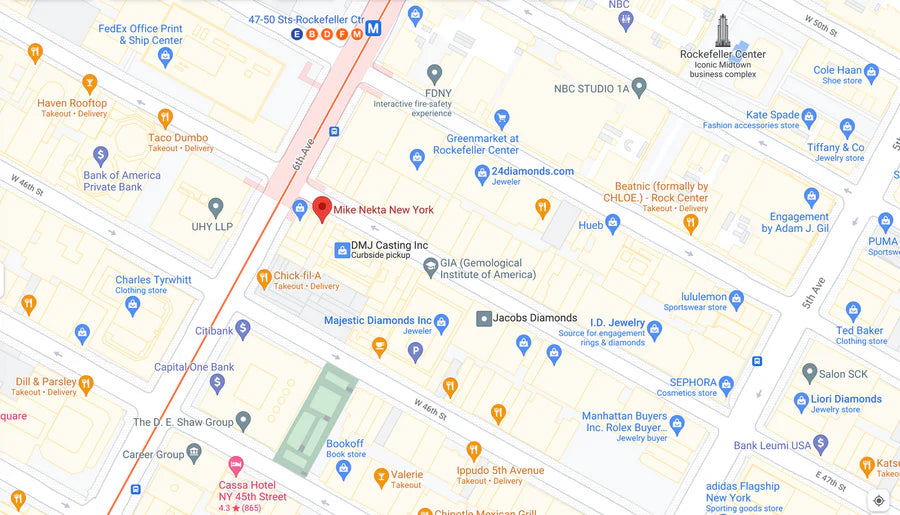
I personally meet clients by appointment only in my comfortable showroom, featuring a private VIP room where you can view exclusive pieces in a relaxed, discreet setting.