
Lab-Grown Diamonds as an Investment: Should You Buy?
Lab-grown diamonds are one of the most exciting developments in the jewelry industry. These stones are made in controlled laboratory environments using advanced technologies, producing diamonds that are chemically, physically, and optically identical to their mined counterparts. The only difference is where they come from—one formed deep within the Earth over billions of years, while the other is created by human innovation in just a few weeks.
The demand for lab-grown diamonds in the jewelry market has skyrocketed. More and more consumers are choosing these alternatives because they are more affordable, ethically sourced, and environmentally friendly. This shift has led to a question that I often hear in my practice: should you buy lab-grown diamonds as an investment?
The investment potential of lab-grown diamonds is complex. While these stones are usually 40-80% cheaper than natural diamonds, we need to take a closer look at their long-term investment potential. It's not just about whether lab-grown diamonds will retain value; it's also about whether they align with your specific financial situation and investment objectives.
How Are Lab-Grown Diamonds Made?
Lab-grown diamonds are created using two main technologies that replicate the natural conditions under which diamonds form deep within the Earth. These methods produce stones that are chemically, physically, and optically identical to mined diamonds.
Chemical Vapor Deposition (CVD)
CVD technology creates diamonds by placing a thin diamond seed in a vacuum chamber filled with carbon-rich gases, typically methane and hydrogen. The chamber is heated to approximately 800°C while microwaves break down the gas molecules. Carbon atoms then deposit layer by layer onto the seed, gradually building a diamond crystal over several weeks.
Key characteristics of CVD diamonds:
- Precise control over growth conditions
- Exceptional clarity due to controlled environment
- Ability to produce larger stones consistently
- Lower energy requirements compared to HPHT
High Pressure High Temperature (HPHT)
HPHT technology mimics the natural diamond formation process by subjecting a carbon source to extreme conditions—temperatures exceeding 1,500°C and pressures of 5-6 GPa. A small diamond seed is placed with carbon material in a specialized press that recreates the Earth's mantle conditions.
HPHT process benefits:
- Faster growth rates than CVD
- Traditional method with decades of refinement
- Excellent for producing fancy colored diamonds
- Proven track record in industrial applications
Both methods require sophisticated equipment and expertise, making lab-grown diamond creation a technologically advanced process that ensures consistent quality and authenticity.
The Advantages of Choosing Lab-Grown Diamonds Over Mined Ones
When I look at the benefits of lab-grown diamonds, the cost savings stand out immediately. These affordable diamonds typically cost 40-80% less than their mined counterparts, allowing buyers to access larger, higher-quality stones within their budget. A 2-carat lab-grown diamond might cost what you'd pay for a 1-carat natural diamond of similar quality.
The superior clarity and quality potential of lab-grown diamonds comes from the controlled environment in which they are created. Unlike natural diamonds that form under unpredictable geological conditions, lab-grown stones develop in precisely monitored settings. This controlled process often results in:
- Fewer inclusions and internal flaws
- More consistent color grading
- Better cut precision due to optimal rough material
- Higher clarity grades at accessible price points
Another compelling advantage is ethical sourcing. Lab-grown diamonds eliminate concerns about conflict diamonds or questionable mining practices. You know exactly where your diamond came from - a certified laboratory using transparent processes.
The aspect of sustainability in jewelry appeals to environmentally conscious consumers. Lab-grown diamond production requires significantly less land disruption, water usage, and carbon emissions compared to traditional mining operations. Each lab-grown diamond represents a choice that supports environmental responsibility without compromising on beauty or quality.
These advantages make lab-grown diamonds an attractive alternative for buyers looking for value, ethics, and environmental consciousness in their jewelry purchases.
Understanding the Lab-Grown Diamond Market Landscape
The lab-grown diamond market size has experienced remarkable expansion in recent years, reflecting a fundamental shift in consumer preferences and industry dynamics. In 2022, the global market reached a valuation of $22.45 billion, establishing lab-grown diamonds as a significant force within the broader diamond industry.
Market growth projections paint an even more compelling picture for investors and industry stakeholders. Analysts forecast the market will surge to $37.32 billion by 2028, representing a compound annual growth rate that outpaces many traditional luxury goods sectors. This trajectory positions the lab grown diamond segment as one of the fastest-growing categories in the jewelry industry.
Several key factors drive this explosive growth:
- Millennial and Gen Z adoption - Younger consumers increasingly prioritize ethical sourcing and environmental sustainability
- Technological advancement - Improved production methods have enhanced quality while reducing costs
- Retail acceptance - Major jewelry retailers now prominently feature lab-grown options
- Celebrity endorsements - High-profile adoptions have elevated market visibility
The rapid market expansion raises important questions about whether you should buy lab grown diamonds represents a viable strategy. The sheer scale of growth suggests significant commercial opportunity, yet the speed of this expansion also introduces unique considerations for potential investors seeking to understand long-term value dynamics.
Exploring the Investment Potential and Risks of Lab-Grown Diamonds
When I compare the resale value of lab-grown diamonds to that of natural diamonds, the differences are clear. Natural diamonds usually retain 50-60% of their original purchase price when resold, while lab-grown diamonds often lose value and sell for only 20-30% of what they were bought for. This significant difference is mainly due to the contrasting factors of scarcity and how the market views these two types of diamonds.
The Investment Risks in Lab-Grown Diamonds
The investment risks associated with diamonds in the lab-grown sector are heightened by the ability to scale production. Unlike natural diamonds, which take millions of years to form and are limited by geological factors, lab-grown diamonds can be made in large quantities within weeks. This flexibility in manufacturing brings about several challenges:
- Supply volatility: Production can quickly ramp up to meet demand, potentially overwhelming the market
- Price instability: As technology improves and production costs decrease, retail prices continue to decline
- Market saturation risk: The potential for unlimited supply poses a threat to long-term value stability
The Impact of Technology on Lab-Grown Diamond Value
The technology behind creating lab-grown diamonds is constantly evolving, making production more efficient and affordable. While this benefits consumers with lower prices, it poses significant challenges for value appreciation. Each technological advancement that reduces manufacturing costs directly affects the resale market.
Traditional investment assets gain value through scarcity and increasing demand. In contrast, lab-grown diamonds face a different situation—growing supply capabilities with uncertain sustainability of demand. The rapid ability to produce these diamonds in large quantities makes them more accessible but also undermines their potential as a means to preserve wealth. This creates a fundamental conflict between being affordable and being a viable investment option.
Considerations Before Investing in Lab-Grown Diamonds
Before investing in lab-grown diamonds, it's crucial to understand the importance of diamond certification. This process of verifying authenticity and quality requires certificates from trusted organizations such as GIA, IGI, or SGL. These certifications provide a thorough analysis of the diamond's features, including cut, clarity, color, and carat weight—the same criteria used for natural diamonds.
When reviewing certificates, always ensure that the grading report number matches the laser inscription on the diamond's girdle. This simple step helps prevent fraud and guarantees that you're buying exactly what is stated. The certification also confirms that the diamond is lab-grown, which affects both its price and resale value.
Market Research for Investors
As an investor, it's important to pay attention to several key factors:
- Current pricing trends across various retailers and manufacturers
- Production capacity of major lab-grown diamond producers
- Consumer demand patterns in your target market
- Technological advancements that may impact production costs
I suggest monitoring price changes over a period of 6-12 months before making significant purchases. Lab-grown diamond prices can vary more widely than those of natural diamonds due to production scalability and technological improvements that lower manufacturing costs.
Understanding how well your local market accepts lab-grown diamonds is crucial. Some areas have a stronger consumer preference for these stones, which directly affects potential resale opportunities and the timeline for any future transactions.
Consumer Motivations Beyond Investment: Why People Choose Lab-Grown Diamonds Anyway!
My experience working with clients has revealed that most people purchasing lab-grown diamonds aren't primarily focused on investment potential. The upfront savings diamonds provide—typically 40-80% less than mined alternatives—allows couples to afford larger, higher-quality stones within their budget constraints.
Ethical jewelry buying drives many purchasing decisions. Clients frequently express concerns about the environmental impact and labor practices associated with traditional diamond mining. Lab-grown diamonds eliminate these worries while delivering identical beauty and durability.
The practical benefits extend beyond ethics and cost:
- Larger carat weights within the same budget
- Superior clarity grades due to controlled production environments
- Immediate availability without waiting for specific natural stones
- Transparent sourcing with complete production history
Young professionals and millennials particularly appreciate the sustainability aspect. They view their purchase as aligning with personal values rather than building a financial portfolio. The money saved often gets redirected toward other life priorities—home purchases, travel, or starting families—making lab-grown diamonds a lifestyle choice that enhances their present rather than securing their financial future.
Conclusion: Should You Buy Lab-Grown Diamonds as an Investment?
My advice on buying lab-grown diamonds is to have realistic expectations and think strategically. Lab-grown diamonds are best suited for those who want to wear them as a personal choice while also enjoying some financial benefits, rather than being seen as a traditional investment option.
Consider lab-grown diamonds as a potential short-term asset if you:
- Plan to enjoy wearing the piece for several years
- Appreciate the immediate 40-80% cost savings
- Value ethical and sustainable sourcing
- Understand the current market volatility
The key is to buy from certified dealers who provide clear grading and possible buyback programs. I suggest viewing any financial gain as an added bonus instead of the main reason for your purchase. Lab-grown diamonds are most successful when you prioritize your own happiness, ethical values, and smart spending over guaranteed long-term value increase.
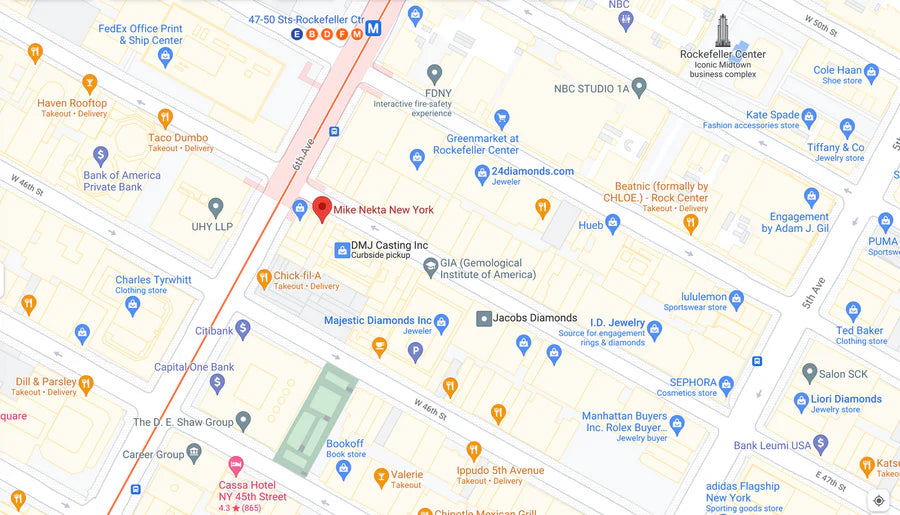
Book an Appointment with Mike Nekta New York for Expert Guidance on Purchasing Lab-Grown Diamonds!
Navigating the lab-grown diamond market requires expertise and personalized guidance. As someone who has spent years helping clients make informed diamond decisions, I understand that every purchase—whether for investment potential or personal enjoyment—deserves careful consideration.
Ready to explore your options? I invite you to schedule a Mike Nekta New York appointment for a comprehensive diamond consultation New York. During our session, we'll:
- Examine certified lab-grown diamonds that match your criteria
- Discuss market trends and realistic expectations
- Review authentication and quality standards
- Explore both investment potential and lifestyle benefits
Contact me directly to book your personalized consultation. Let's work together to find the perfect lab-grown diamond that aligns with your goals and budget.