
How Much Should You Spend on an Engagement Ring? A Modern Perspective
As a jeweler in New York's Diamond District for over two decades, I've guided countless couples through one of life's most significant purchases - the engagement ring. The question "How much should I spend?" echoes through my showroom daily, reflecting a genuine concern many face during this exciting yet challenging decision.
The landscape of engagement ring spending has transformed dramatically. Gone are the days when a rigid "two months' salary" rule dictated your purchase. Today's couples embrace a more personalized approach, prioritizing their unique financial circumstances and relationship values.
I've noticed a refreshing shift in my consultations:
- Couples openly discuss their budget constraints
- Partners collaborate on ring selection
- Financial responsibility takes precedence over societal pressure
- Individual style preferences guide choices more than traditional expectations
This modern perspective aligns with what I've learned from helping thousands of couples: the perfect ring isn't about hitting a specific price point - it's about finding harmony between your financial comfort zone and your partner's dreams.
Let's explore how you can navigate this significant investment while honoring both your love story and your financial well-being. My experience has shown that the most cherished rings often result from thoughtful planning and honest communication between partners.
Understanding Traditional Guidelines and Their Relevance Today
The famous "two to three months' salary" rule for engagement ring spending has an interesting origin story. As a jeweler in NYC's Diamond District, I've seen this guideline influence countless purchasing decisions - but many don't know it started as a marketing campaign by De Beers in the 1930s during the Great Depression.
The Birth of Traditional Guidelines:
- De Beers launched the campaign to boost diamond sales during economic hardship
- The initial suggestion was one month's salary
- By the 1980s, it evolved to two months' salary
- Marketing efforts successfully created a societal norm that persisted for decades
Modern Reality Check:
- Today's couples face different financial challenges:
- Student loan debt
- Rising housing costs
- Career transitions
- Diverse lifestyle priorities
The rigid salary-based rule doesn't reflect our current economic landscape. I've noticed a significant shift in how couples approach ring shopping. Many prioritize their unique financial situation and relationship values over traditional spending benchmarks.
What Really Matters Now:**
- Personal financial health
- Individual relationship dynamics
- Long-term financial goals
- Partner's preferences and values
Working with modern couples, I've seen successful engagements with rings ranging from $1,000 to $100,000. The key difference? These couples made decisions based on their specific circumstances rather than following outdated guidelines.
Smart Spending Indicators:
- Monthly budget comfort level
- Existing savings and debt
- Future financial goals
- Partner's style preferences
- Lifestyle considerations
The most successful engagement ring purchases I've facilitated involve couples who've had open discussions about their expectations and financial boundaries. This honest approach leads to more satisfying purchases and stronger foundations for their future together.
Assessing Your Financial Situation and Setting a Comfortable Budget
As a jeweler in NYC's Diamond District, I've guided countless couples through the engagement ring buying process. The key to a successful purchase starts with a clear understanding of your financial landscape.
Smart Financial Assessment Steps:
- Calculate your monthly take-home pay
- List all recurring expenses (rent, utilities, loans)
- Review your savings and emergency fund
- Consider upcoming major expenses (wedding, home purchase)
- Evaluate any existing debt obligations
A realistic budget should leave you feeling confident, not stressed. I've seen too many clients stretch themselves thin trying to meet perceived expectations. Your engagement ring should be a symbol of love, not financial strain.
Practical Budget-Setting Tips:
- Consider setting aside 10-15% of your monthly income
- Start saving 6-12 months before your planned proposal
- Look into jewelry store financing options with 0% interest
- Research insurance costs for your intended purchase
- Factor in long-term maintenance expenses
Red Flags to Watch For:
- Depleting emergency savings
- Maxing out credit cards
- Ignoring other financial goals
- Feeling pressured to spend more than comfortable
A balanced approach I often recommend to my clients: create a dedicated "ring fund" separate from other savings. This method helps track progress while maintaining financial stability.
Pro Tip: Many couples now openly discuss ring budgets. This transparency can lead to better financial decisions and ensure both partners are comfortable with the investment. I've noticed these couples often make more confident choices and remain happier with their purchases long-term.
Remember: The right budget varies for everyone. Some of my clients find their perfect ring at $2,000, others at $20,000. The key lies in choosing an amount that aligns with both your financial reality and your relationship values.
Factors That Influence Ring Cost Beyond Just Diamonds
As a jeweler in NYC's Diamond District, I've seen countless couples fixate on diamond size while overlooking other crucial elements that affect an engagement ring's cost. Let me share some insider insights on these often-overlooked factors:
1. Metal Choice Impact
- Platinum commands premium prices due to its durability and rarity
- 18K gold costs more than 14K gold but offers richer color
- White gold requires periodic rhodium plating, adding to long-term costs
- Rose gold's growing popularity has influenced its market value
2. Design Complexity
- Intricate pavé settings require skilled craftsmanship, increasing labor costs
- Custom designs typically cost 20-30% more than pre-made settings
- Vintage-inspired details demand specialized expertise
- Complex prong arrangements for unique stone shapes affect pricing
3. Market Influences
- Seasonal demand (holiday engagements) can drive prices up
- Metal market fluctuations directly impact ring costs
- Limited availability of specific designs or materials affects pricing
- Regional pricing variations between different jewelry districts
4. Hidden Cost Factors
- Insurance requirements based on design complexity
- Future maintenance needs for detailed settings
- Certification costs for additional accent stones
- Sizing complications with certain band styles
I've noticed clients who consider these factors early in their search make more informed decisions. A simple solitaire in platinum might cost more than an intricate design in 14K gold. Understanding these nuances helps you allocate your budget effectively.
When selecting your ring, consider:
- Your lifestyle and daily activities
- Long-term maintenance requirements
- Metal durability for your chosen setting
- Local market conditions and timing of purchase
Remember, each design element adds both beauty and cost to your ring. I've seen stunning rings where clever choices in these areas allowed for a larger center stone while maintaining the desired aesthetic.
Prioritizing Personal Meaning Over Industry Norms in Ring Selection
As a jeweler in NYC's Diamond District, I've witnessed countless couples find their perfect rings by focusing on personal meaning rather than following industry trends. Your partner's unique style and personality should guide your choice - not what's currently trending on social media or magazine covers.
Creating a Meaningful Connection
- A client once chose a sapphire ring because blue reminded his partner of their first date by the ocean
- Another couple incorporated small emeralds to represent their shared Irish heritage
- One of my customers selected a vintage-style setting that matched their grandmother's ring
Beyond Traditional Choices
- Alternative center stones (sapphires, emeralds, morganites)
- Mixed metal combinations
- Custom engravings with personal significance
- Unique settings that reflect specific interests or hobbies
Your partner's lifestyle should influence the ring selection. A nurse or doctor might prefer a low-profile setting, while an artist might gravitate toward bold, creative designs. These practical considerations add layers of thoughtfulness to your choice.
Personal Style Indicators to Consider:
- Current jewelry preferences
- Daily wardrobe choices
- Professional requirements
- Hobbies and activities
- Cultural or family traditions
I've seen rings with unconventional designs become cherished symbols of love because they perfectly captured the wearer's personality. A recent client chose a black diamond in a rose gold setting - it broke every traditional rule but matched his partner's edgy style perfectly.
Remember, the most valuable aspect of an engagement ring isn't its price tag or how well it follows current trends. The true value lies in how well it represents your unique love story and commitment to each other.
The ring you choose should spark joy every time your partner looks at it - not because it matches what others expect, but because it feels authentically them.
Practical Shopping Strategies for Finding Quality Rings Within Your Budget
As a jeweler in NYC's Diamond District, I've guided countless couples through smart ring shopping. Here are proven strategies to maximize your budget while securing a beautiful, high-quality engagement ring:
Research Reputable Jewelers
- Check online reviews and ratings across multiple platforms
- Look for jewelers with GIA certification expertise
- Verify business credentials and years of experience
- Ask about their warranty and return policies
- Request to see actual certification papers for diamonds
Price Comparison Techniques
- Document prices for similar rings across 3-5 different jewelers
- Take detailed notes of specifications for accurate comparisons
- Consider both online and brick-and-mortar options
- Ask about price matching policies
- Request itemized breakdowns of costs
Negotiation Tips That Work
- Shop during off-peak seasons (avoid holidays)
- Ask about upcoming sales or promotions
- Request pricing for different metal options
- Consider slightly lower carat weights (eg: 1.8ct vs 2ct)
- Inquire about package deals including wedding bands
Smart Shopping Alternatives
- Explore lab-grown diamonds for significant savings
- Consider unique center stone shapes that appear larger
- Look into estate or vintage pieces
- Ask about in-house financing options
- Request certification from independent labs
I've seen clients save 15-30% through strategic shopping and negotiation. A recent client secured a stunning 1.5-carat ring by choosing an oval cut instead of round, maximizing the visual impact while staying within budget. The key is balancing your priorities - whether it's size, clarity, or design - with your available resources.
Remember: A trustworthy jeweler will welcome your questions and provide transparent information about their pricing structure. Take your time comparing options, and don't feel pressured to make an immediate decision.
Conclusion
The perfect engagement ring doesn't come with a fixed price tag. As a jeweler who's helped countless couples find their dream rings, I've seen firsthand that the most cherished pieces aren't always the most expensive ones.
A thoughtful approach to ring shopping combines:
- Financial wisdom: Choose a budget that maintains your financial stability
- Personal meaning: Select a ring that reflects your partner's unique style
- Open communication: Discuss preferences and expectations together
- Quality considerations: Work with reputable jewelers who understand your vision
Your engagement ring represents a promise of shared dreams and future goals. The amount you spend should feel comfortable and align with your values as a couple.
Here's what truly matters:
"The ring you choose should spark joy every time your partner looks at it, while allowing you both to step confidently into your future together." - Mike Nekta
Remember - whether you spend $2,000 or $20,000, the ring's true value lies in its meaning to you and your partner. Focus on finding that perfect balance between your financial comfort zone and a ring that symbolizes your unique love story.
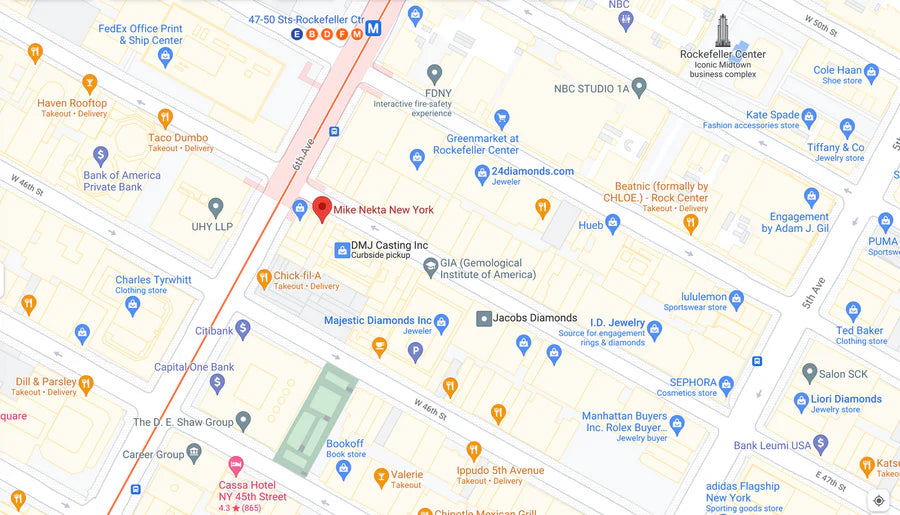
Ready to start your ring-shopping journey? Visit us in NYC's Diamond District - we're here to help you find that special piece that fits both your heart and your wallet.