
Sustainable Sparkle: The Environmental Benefits of Lab Grown Diamonds
Lab-grown diamonds are changing the way we think about luxury, offering a sustainable alternative to traditional mined gems. These diamonds are created in controlled environments, making them environmentally friendly without compromising on quality or beauty.
With more and more people prioritizing sustainability, the jewelry industry is adapting to meet this demand. Lab-grown diamonds have emerged as an appealing choice for those who want to look good while also being mindful of their impact on the planet.
In this article, we'll explore the environmental benefits of lab-grown diamonds. We'll delve into the process behind their creation, compare their ecological footprint to that of conventional mining, discuss ethical considerations, and offer tips for making responsible purchasing decisions. By doing so, we hope to empower you to celebrate life's special moments with both style and a clear conscience.
Understanding Lab Grown Diamonds
Lab-grown diamonds, also known as synthetic diamonds, are real diamonds created by replicating the natural diamond-forming process inside a laboratory. They have the same crystal structure, chemical composition, and brilliance as natural diamonds found deep within the Earth.
Key Production Methods:
1. HPHT Process (High Pressure High Temperature)
This method mimics the natural forces beneath the earth by subjecting carbon to extreme pressure (over 1.5 million pounds per square inch) and temperatures above 2,700°F. A small diamond seed is placed in carbon, which then crystallizes around it under these conditions, forming a rough diamond.
2. CVD Process (Chemical Vapor Deposition)
In this process, a thin slice of diamond seed is placed in a chamber filled with carbon-rich gas. The gas is heated until carbon atoms bond to the seed layer by layer, gradually building up a larger diamond crystal.
Comparison with Natural Mined Diamonds:
- Physical and Chemical Properties: Both lab-grown and natural diamonds share identical hardness (10 on Mohs scale), refractive index, and chemical formula (pure carbon).
- Visual Qualities: Lab-grown diamonds display the same fire, sparkle, and transparency as their mined counterparts—perfect for anyone seeking a lab grown diamond ring without sacrificing beauty or durability.
The only clear difference between lab-grown and natural diamonds lies in their point of origin: one forged by nature’s geology over millennia, the other crafted in months through advanced technology.
Environmental Impact of Traditional Diamond Mining
Diamond mining environmental impact stretches far beyond the visible scars on the landscape. The industry relies on several extraction methods, each with significant ecological costs:
1. Open-Pit Mining
This technique involves removing immense amounts of soil and rock—up to 250 tons of earth for just a single polished carat. The resulting land displacement leaves behind vast pits that can never be fully restored, permanently altering local topography.
2. Underground Mining
While less visually disruptive, underground mining still leads to subsidence, groundwater contamination, and hazardous working conditions.
3. Marine Mining
Extracting diamonds from ocean floors stirs up sediment and disrupts complex marine ecosystems. Scientists are still studying the long-term consequences for marine life, but concerns remain about loss of biodiversity and damage to critical habitats.
Pollution follows every stage. Toxic run-off from mining sites contaminates rivers and groundwater, impacting both wildlife and nearby communities. Heavy metals and chemicals used in processing seep into soils, reducing agricultural productivity for years to come.
Greenhouse gas emissions from mining add another layer of concern: Each polished carat releases approximately 160 kg of CO₂, contributing to global climate change. Beyond carbon emissions, traditional diamond mining produces extensive mineral waste—affecting air quality and presenting ongoing disposal challenges.
Communities living near mines often face health risks linked to pollution, while their livelihoods depend on ecosystems increasingly stressed by extraction activities. These challenges highlight why a shift toward sustainable alternatives has become so urgent within the jewelry industry.
Environmental Footprint of Lab Grown Diamonds
Lab grown diamond energy consumption is a critical factor in evaluating their sustainability. Producing diamonds in a lab relies primarily on two advanced technologies: High Pressure High Temperature (HPHT) and Chemical Vapor Deposition (CVD). Both methods require significant electricity to recreate the natural conditions that form diamonds, making energy use one of the most important metrics to consider.
Greenhouse Gases in Lab Diamond Production
When powered by fossil fuels, the creation of a single polished carat can release about 511 kg of CO₂, which is notably higher than the emissions from mining a similar-sized natural diamond. This number highlights how essential the source of energy becomes—coal-heavy grids greatly increase the carbon footprint, while renewable energy in diamond production can slash emissions dramatically.
Waste Generation
Even with higher emissions from conventional power sources, lab-grown diamonds stand out for their lower waste output. Unlike traditional mining—which can displace around 250 tons of earth per carat and generate substantial mineral waste—lab production emits minimal physical waste and avoids contaminating soil or water bodies.
Switching lab-grown diamond facilities to renewable energy sources marks a clear path toward Sustainable Sparkle: The Environmental Benefits of Lab Grown Diamonds. As technology advances and more labs invest in solar or wind power, this modern approach promises even greater reductions in greenhouse gases from lab diamonds without sacrificing quality or brilliance.
Comparing Sustainability: Lab Grown vs. Mined Diamonds
When considering sustainable alternatives to mined diamonds, the environmental differences become clear across several important factors:
1. Greenhouse Gas Emissions
Mined diamonds typically generate around 160 kg of CO₂ per polished carat, while lab-grown diamonds can emit about 511 kg when powered by fossil fuels. However, a shift towards renewable energy in labs has the potential to lower emissions dramatically, tipping the scales in favor of lab-grown options for a climate-conscious choice.
2. Mineral Waste Reduction
Traditional diamond mining displaces roughly 250 tons of earth for every single carat produced. This staggering mineral waste accumulates to hundreds of millions of tons industry-wide each year. Lab-grown diamonds bypass this destructive process altogether, eliminating the need for mass land excavation and offering significant mineral waste reduction.
3. Water Conservation in Diamond Industry
Mining consumes vast quantities of water—millions of cubic meters annually—often straining local water resources and ecosystems. Lab-grown production methods use far less water, contributing to meaningful water conservation in the diamond industry.
4. Land Disturbance and Pollution Risks
Open-pit and marine mining leave lasting scars on landscapes and habitats, with ripple effects across communities and wildlife. By avoiding these extractive activities, lab-grown diamonds significantly reduce land disturbance and minimize pollution risks linked to soil, air, and waterways.
Investing in lab-grown diamonds actively supports sustainable practices by reducing the industry's environmental footprint on multiple fronts.
Ethical Advantages of Lab Grown Diamonds
Lab-grown diamonds have become the best choice for those looking for an alternative to blood diamonds. They offer a transparent supply chain that avoids the ethical issues often associated with traditional mining. Unlike mined stones, lab-created gems are always conflict-free diamonds. They are made in controlled environments, which means there is no connection to forced labor or funding of armed conflict in unstable areas.
Why do ethical diamonds matter more than ever?
Here are some reasons why ethical diamonds are becoming increasingly important:
- Transparency and Traceability: Every lab-grown diamond’s origin can be traced directly to its source. This traceability reassures buyers who want assurance their purchase does not support exploitative practices.
- Responding to Consumer Values: Today’s consumers are more informed and ethically driven, seeking out products that align with their values. The demand for ethically sourced stones continues to rise, as buyers reject the legacy of “blood diamonds” and prefer a clear conscience alongside their jewelry.
- Industry Disruption: By providing affordable, high-quality alternatives, lab-grown options put pressure on the traditional diamond industry to address deep-rooted ethical concerns. The accessibility and clarity of these diamonds empower individuals to choose beauty without compromise.
Ethical diamonds from labs offer couples confidence that their symbols of love honor both human rights and environmental stewardship—a new standard for luxury that resonates with the modern world.
Future Outlook for Sustainable Diamond Industry
The diamond industry is going through a major change, driven by the rapid rise of lab-grown diamonds. Recent market data shows that sales of lab-grown diamonds are increasing by double digits every year, and projections indicate that this category could capture a significant portion of global diamond consumption within the next ten years. Sustainable Sparkle: The Environmental Benefits of Lab Grown Diamonds is becoming a reality as both established brands and innovative newcomers invest heavily in renewable energy diamond production.
Key developments shaping the industry’s future:
1. Expansion of Renewable Energy Use
Major lab-grown producers in China and India are beginning to transition from coal-based electricity to solar, wind, and hydro-powered operations. Early adopters of these clean technologies report substantial drops in per-carat carbon emissions, signaling that renewable energy diamond production can drastically shrink the sector’s ecological footprint.
2. Sustainability Commitments
Companies are pledging to implement closed-loop water systems, minimize chemical waste, and participate in carbon offset initiatives. These efforts align with growing consumer demand for transparency and accountability throughout the supply chain.
3. Industry Projections
Analysts forecast that as lab-grown diamonds gain market share and renewable energy becomes standard practice, the industry could avert millions of tons of greenhouse gases annually. This shift not only mitigates traditional mining damage but also promotes a new era for diamond industry sustainability future, where ethical luxury and environmental responsibility go hand in hand.
Emerging practices and technologies are setting the stage for consumers seeking truly sustainable sparkle—without compromise on quality or ethics.
Choosing a Lab Grown Diamond Ring: A Sustainable Sparkle
When considering buying a lab grown diamond ring in New York, the journey begins with understanding how these stones align with both your values and your vision. Selecting sustainable engagement rings means you’re opting for eco-friendly jewelry choices that champion environmental responsibility, ethical sourcing, and enduring beauty.
Here’s how to approach your sustainable sparkle:
- Prioritize Certification: Always look for diamonds certified by reputable labs such as IGI or GIA, which ensures transparency in origin and quality.
- Evaluate Energy Sources: Ask about the energy mix used in creating the diamond—some producers now power their facilities with renewables, further lowering environmental impact.
- Assess Design and Craftsmanship: Lab grown doesn’t mean sacrificing design. Modern techniques allow for custom settings and breathtaking styles previously reserved for mined stones.
- Consider Metal Choices: Pair your diamond with recycled or responsibly sourced metals to maximize sustainability across the entire ring.
“A lab-grown diamond is physically and chemically identical to its mined counterpart, offering uncompromised sparkle and durability while supporting ethical practices.”
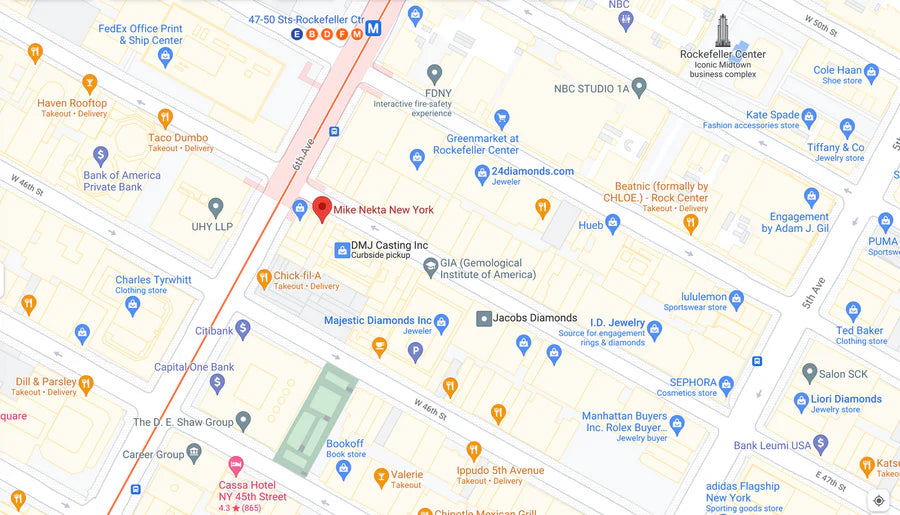
At Mike Nekta New York, I offer expert guidance tailored to your unique preferences. Whether your goal is an elegant solitaire or a bespoke vintage-inspired piece, you’ll find a curated collection of sustainable engagement rings—each crafted to reflect both personal style and a commitment to the planet. Personalized consultations ensure you get clarity on every detail, making your eco-friendly jewelry choice as meaningful as the moment itself.
Book an Appointment With Us Today
Ready to experience the Sustainable Sparkle: The Environmental Benefits of Lab Grown Diamonds firsthand? Book an appointment with me, Mike Nekta for a sustainable diamond consultation. My team and I are dedicated to providing you with:
- Expert guidance on selecting the perfect lab-grown diamond ring
- Personalized service that aligns elegance with true environmental responsibility
- Access to a curated selection of ethically sourced, stunning diamonds
Elevate your jewelry journey—choose sophistication paired with sustainability. Your commitment to a cleaner planet begins with a single, brilliant choice. Contact us today to start your bespoke experience.