
The Difference Between Making Jewelry and Mastering It
I’ve met a lot of people who say, “I make jewelry.” And I respect that, because making jewelry takes patience, hand skills, and a good eye.
But after years in the Diamond District, I can tell you there’s a real difference between making jewelry and mastering it.
Making is the act. Mastery is the standard.
What “Making Jewelry” Usually Looks Like
When someone is making jewelry, they’re focused on producing a piece that looks good and holds together. That might mean choosing a popular setting, sourcing a stone, assembling the parts, polishing it, and delivering something wearable.
There’s nothing wrong with that. In fact, it’s how most people start.
But “making” tends to be reactive. You’re following trends, working with what’s available, and solving problems only when they show up. The result can still be beautiful, but it often depends on luck and shortcuts: a stone that happens to perform well, a design that happens to sit comfortably, a ring that happens to last.
What Mastery Looks Like in the Real World
Mastery is when you can predict the outcome before the work begins, because you understand every variable that affects the final piece.
That starts with the diamond, not the setting.
A mastered jeweler knows that two diamonds with the same “stats” on paper can look completely different in real life. Cut quality, light performance, symmetry, fluorescence, and how a diamond faces up in different lighting matter. Mastery is knowing what will sparkle across a dinner table, not just what looks good under showroom lights.
Then comes design and engineering.
A ring isn’t just “pretty.” It’s a structure. Prongs need the right shape and thickness. A setting needs balance so it doesn’t spin. Bands need the right proportions so they don’t feel sharp, thin, or top-heavy after six months of daily wear. Mastery is building jewelry that survives real life while still looking refined.
And then there’s judgment, which is the hardest part to teach.
Mastery means telling a client the truth, even when it’s not the easiest sale. It means recommending the right option, not the most expensive one. It means noticing the tiny details most people miss, because those details are what separate “nice” from “exceptional.”
The Part Most People Overlook: Protecting What You Buy
A mastered approach also includes what happens after the purchase.
If you’re buying a show-stopping engagement ring or an investment-grade diamond, you should be thinking about documentation, appraisals, and jewelry insurance guidance. Not because it’s glamorous, but because it’s responsible. Mastery is protecting the value, the craftsmanship, and the meaning behind the piece.
Where I Fit Into This
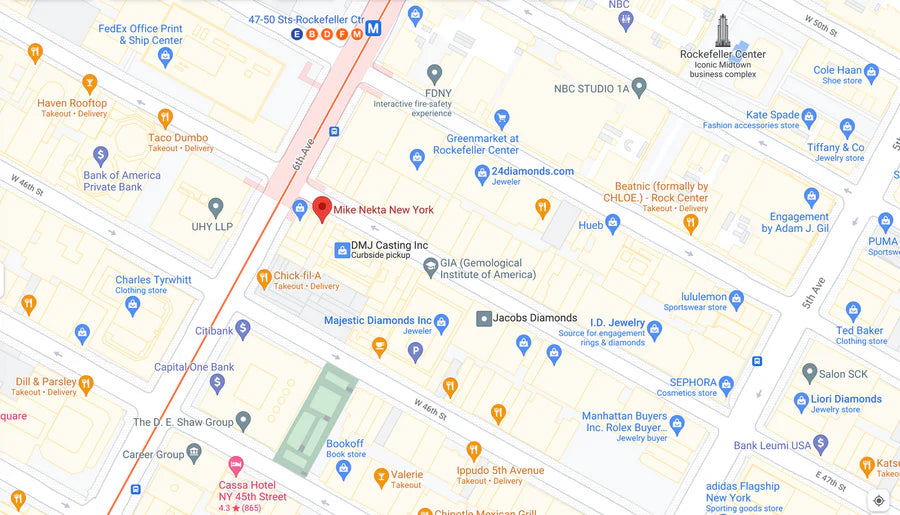
I’m Mike Nekta, and at Mike Nekta New York, my work is built around expertise, integrity, and luxury. Whether you visit me in my New York City showroom in the Diamond District or connect with me online, my goal is simple: help you get a piece you’ll be proud to wear for life, and confident owning.
Book an Appointment
If you’re looking for an engagement ring, a standout diamond, or straightforward guidance you can trust, book an appointment with me, Mike Nekta, at Mike Nekta New York. I’ll walk you through the process and make sure the final result reflects real mastery, not just a finished product.