
The Ultimate Guide to Diamond Color and Clarity for 2025
When it comes to selecting the perfect diamond, you have to look beyond just sparkle you need to understand both clarity and color. These two elements are the heartbeat of a diamond’s allure and its value, something I’ve seen time and again in my years in this industry.
Clarity is all about purity. It’s how free your diamond is from inclusions or blemishes—those tiny natural fingerprints from the earth itself. The fewer there are, the more brilliantly your diamond returns light, creating that mesmerizing fire everyone chases.
Now, let’s talk color. The grading scale goes from icy colorless to a subtle warmth of light yellow. True connoisseurs know that the closer a diamond gets to colorless, like pure water, the more coveted and valuable it becomes.
But here’s what really sets diamonds apart: it’s the marriage of clarity and color. This dynamic duo gives each stone its unique personality and presence. When you find a diamond that scores high on both scales, you’re looking at an investment piece one with unmatched beauty and market value. That’s how you choose with confidence, knowing exactly what makes your stone rare and remarkable.
Understanding Diamond Clarity
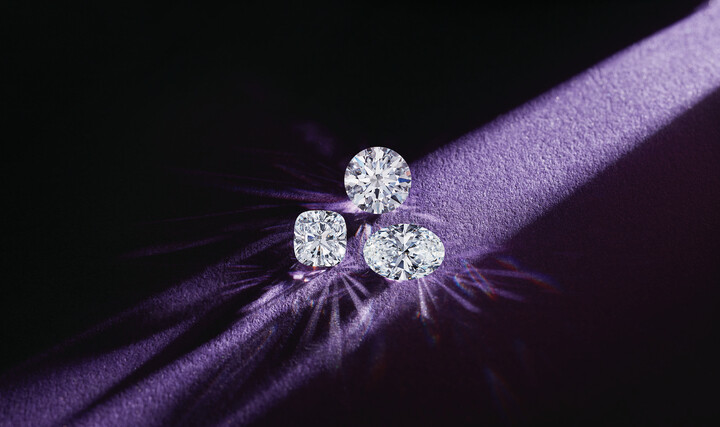
Diamond clarity is an important factor in determining a diamond's quality. It refers to the presence or absence of specific characteristics, known as inclusions and blemishes, within the stone. The Gemological Institute of America (GIA) has developed a comprehensive grading system for clarity that is widely accepted in the industry.
The GIA Clarity Scale includes:
- FL (Flawless): Perfect clarity with no visible inclusions
- IF (Internally Flawless): No internal marks, minimal surface blemishes
- VVS1 and VVS2: Very minor inclusions, difficult to spot
- VS1 and VS2: Minor inclusions visible under magnification
- SI1 and SI2: Noticeable inclusions under magnification
- I1, I2, and I3: Visible inclusions that affect brilliance
Professional gemologists use specialized equipment to assess clarity at 10x magnification. This standardized method ensures consistent grading across the industry. Each diamond has its own unique "fingerprint" based on the specific pattern and location of its inclusions.
Factors Affecting Clarity Grading
The clarity grade of a diamond is determined by several factors:
Size of Inclusions
- Larger inclusions have a greater impact on the grade
- Tiny inclusions may be invisible to the naked eye
- The size of inclusions relative to the overall proportions of the diamond matters
Location Impact
- Inclusions located at the center of the diamond affect the grade more than those on the edges
- Inclusions visible on the table (the flat top surface) receive stricter grading
- Inclusions located in the pavilion (the bottom part) can reflect multiple times, affecting appearance
Types of Clarity Characteristics
Internal Inclusions:
- Crystal inclusions (trapped minerals)
- Feathers (small cracks)
- Clouds (clusters of tiny crystals)
Surface Blemishes:
- Scratches
- Nicks
- Extra facets
- Polish lines
Certain clarity characteristics can also affect the durability of a diamond. Deep feathers reaching the surface may create weak points, while small crystal inclusions typically do not impact structural integrity.
Professional graders document these characteristics on clarity plots - detailed diagrams showing the location and type of each inclusion. These plots serve as unique identification markers for individual diamonds, similar to fingerprints for humans.
Importance of Clarity in Diamond Evaluation
Diamond clarity is a crucial factor in determining a stone's market value and investment potential. The Gemological Institute of America's clarity grading scale directly influences pricing - with each step up the scale potentially doubling a diamond's worth.
Rarity Impact on Value:
- FL (Flawless) and IF (Internally Flawless) diamonds represent less than 1% of all gem-quality stones
- VVS1 and VVS2 grades command premium prices due to their exceptional clarity
- VS1 and VS2 diamonds offer excellent value while maintaining high aesthetic appeal
Natural Fingerprints:
Minor inclusions create unique identifying characteristics in diamonds, similar to human fingerprints. These distinctive marks:
- Aid in diamond identification and authentication
- Help track stones in case of loss or theft
- Verify natural origin versus lab-grown alternatives
The clarity rating becomes particularly significant for larger diamonds, where imperfections become more visible. A one-carat VS1 diamond might display inclusions invisible to the naked eye, while the same inclusions in a three-carat stone could affect its visual appeal.
Professional diamond graders evaluate clarity under 10x magnification, considering:
- Number of inclusions
- Size of imperfections
- Location of blemishes
- Relief and visibility
- Impact on structural integrity
These assessments determine a diamond's place on the GIA clarity scale, directly affecting its market position and investment value.
Exploring Diamond Color and Clarity
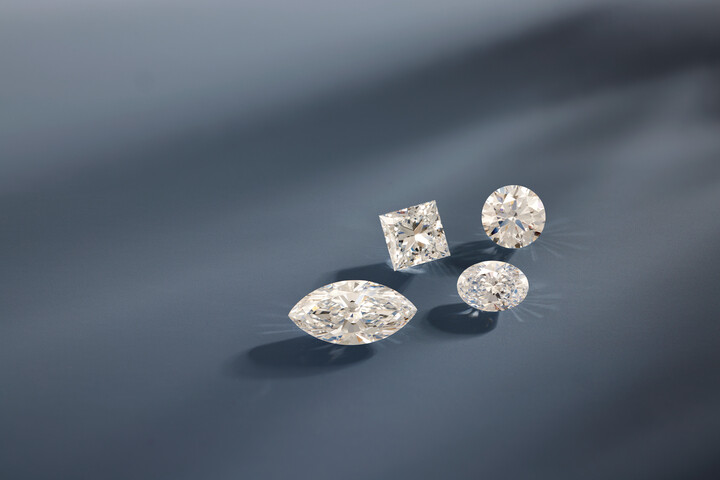
The interplay between diamond color and clarity creates distinctive characteristics in jewelry design. A diamond's visual appeal stems from the harmonious balance of these two essential qualities. White diamonds with D-F color grades showcase their clarity features more prominently, while lower color grades might mask minor inclusions.
Color-Clarity Relationship in Design
- High-clarity diamonds (VVS1-VS2) maximize light performance in colorless stones
- Warmer colors (K-M) can disguise slight inclusions
- Fancy colored diamonds follow different clarity standards
- Setting choices impact the visibility of both color and clarity features
Visual Appeal Enhancement
- Proper cutting maximizes brilliance regardless of clarity grade
- Strategic placement of prongs can hide inclusions
- Face-up appearance varies with different clarity-color combinations
- Light performance improves with higher clarity grades
Clarity Enhancement Techniques
Modern technology offers several methods to improve a diamond's apparent clarity:
Laser Drilling
- Creates microscopic channels to remove dark inclusions
- Permanent alteration
- Requires specific disclosure on certificates
Fracture Filling
- Glass-like substance fills surface-reaching breaks
- Improves clarity by 1-2 grades
- Temporary solution requiring special care
Surface Coating
- Thin films applied to mask inclusions
- Most effective on lower clarity grades
- Limited durability
Disclosure Requirements
- FTC mandates clear disclosure of all enhancements
- Treatment type must appear on grading reports
- Retailers must inform buyers of:
- Enhancement method used
- Special care requirements
- Impact on diamond value
- Durability concerns
As someone who’s spent decades hand-selecting diamonds, I can tell you: the way we evaluate an enhanced diamond is entirely different from how we approach natural stones. If a diamond has been clarity-enhanced—laser-drilled, fracture-filled, or otherwise treated, it’s going to be priced lower than an unmodified stone with the same apparent clarity. That difference isn’t just about the cost of the treatment; it’s also about what clients really want. At the end of the day, most people prefer a diamond that’s as close to nature as possible.
Still, there’s absolutely a place for these enhancements in the market. If your goal is to get a bigger look without stretching your budget, clarity treatments open up options you might not have considered. Maybe you want an impressive 2-carat center stone but don’t want to compromise too much on cut or color that’s where these solutions shine. But remember: ring clarity isn’t just about first impressions. It affects how satisfied you’ll be years down the road, both in terms of beauty and value retention.
My advice? Take your time to understand how color and clarity work together before you buy. Whether you’re investing in a classic engagement ring or adding to your jewelry collection, knowing what to look for puts you in control and helps ensure every dollar works harder for you when choosing that perfect diamond.
Key Clarity Considerations:
- VS diamonds showcase minor inclusions visible only under magnification
- SI diamonds display slightly larger inclusions, sometimes visible to the naked eye
- Both grades offer excellent value for engagement rings and fine jewelry
Value vs. Visual Appeal:
- VS diamonds command higher prices due to their superior clarity
- SI diamonds provide a cost-effective alternative without sacrificing beauty
- Most inclusions remain invisible without professional magnification tools
Expert Tip: Focus on the diamond's face-up appearance rather than the technical grade. A well-cut SI1 diamond can appear just as stunning as a VS2 stone at a significantly lower price point.
Remember: Your diamond's beauty extends beyond its technical specifications. Trust your eyes and choose a stone that speaks to you while respecting your budget parameters.
The Ultimate Guide to Diamond Color and Clarity for 2025
Understanding diamond color and clarity is the first step toward finding a stone that truly reflects your personality and style. When you walk into my private showroom in New York City's Diamond District, I want you to feel empowered not overwhelmed by these essential qualities that determine a diamond’s beauty, value, and uniqueness.
Mike Nekta’s Personal Insights:
- Every natural diamond carries a signature pattern of inclusions its own fingerprint which makes each piece as individual as you are.
- The higher the clarity grade, the more brilliance and sparkle you’ll see, especially in well-cut stones.
- Color grades are crucial; they impact both how your diamond catches the eye and its long-term market value.
- Always insist on expert certification to guarantee authenticity and ensure accurate grading, so you know exactly what you’re investing in.
The magic happens when color and clarity work together to create a diamond’s true character. For example, a beautifully cut VS1 diamond may offer incredible value and look just as stunning face-up as a flawless stone sometimes even more so, depending on lighting and setting. My role is to help you navigate these nuances, so you can find that perfect balance between quality and price.
If you want guidance tailored specifically for your needs, schedule a private one-on-one consultation with me, Mike Nekta at my New York Diamond District studio. Experience firsthand how expertise, transparency, and personal attention can turn choosing your diamond into an unforgettable journey. Book your viewing today, I look forward to helping you select a stone that speaks to your heart and fits both your vision and budget.