
The Ultimate Guide to Caring for Men’s Necklaces
I’ve owned and handled a lot of men’s necklaces over the years, and I can tell you this with confidence: most “necklace damage” is completely avoidable.
Chains don’t just break randomly. Clasps don’t “just fail.” Metal doesn’t “mysteriously” lose its shine overnight.
Usually, it’s one of three things:
- Everyday wear habits (sleeping, showering, gym, cologne).
- Poor storage and bad cleaning methods.
- Not knowing what your necklace is actually made of.
This guide is the simple, real-world system I use to keep men’s necklaces looking sharp, sitting right on the neck, and lasting for years.
Why Men’s Necklaces Get Damaged (Even When You “take Care Of Them”)
Most guys think caring for a necklace means “don’t lose it.” That’s part of it, but the real issues are smaller and more consistent.
The most common causes I see
- Water exposure: showers, pools, oceans, hot tubs. Chlorine and saltwater are brutal on finishes and some alloys.
- Sweat and friction: gym sessions, summer heat, constant rubbing under a collar.
- Product buildup: cologne, lotion, sunscreen, hair products.
- Sleeping in chains: kinks, stretched links, bent clasps, and tangles happen fast.
- Improper cleaning: harsh chemicals, abrasive brushes, “miracle” dips that strip plating.
If you fix those habits, you immediately extend the life of almost any necklace, even inexpensive ones.
Step one: Know what your necklace is made of
You can’t care for a chain properly if you don’t know the material. The cleaning method that’s perfect for solid gold can ruin plated jewelry.
Here’s the practical breakdown.
Solid gold (10K, 14K, 18K)
- Pros: durable, doesn’t rust, safe for frequent wear.
- Watch outs: can scratch; higher karat gold (18K) is softer than 14K.
- Best care: gentle soap and water, soft cloth, periodic professional polish.
Sterling silver (925)
- Pros: classic look, affordable, easy to restore.
- Watch outs: tarnishes with air, humidity, sweat, and sulfur exposure.
- Best care: anti-tarnish storage, gentle cleaning, silver polishing cloth.
Stainless steel
- Pros: tough, low maintenance, great for daily wear.
- Watch outs: can dull over time; cheap finishes can wear.
- Best care: soap and water, microfiber cloth, avoid harsh abrasives.
Platinum
- Pros: premium, strong, naturally white.
- Watch outs: develops patina (a soft, matte look) that some love and some don’t.
- Best care: gentle cleaning; professional polish if you want it shinier.
Gold-plated / vermeil / fashion jewelry
- Pros: great look for the price.
- Watch outs: plating wears off with friction, sweat, and chemicals. Once plating is gone, it’s not “cleaning,” it’s refinishing.
- Best care: keep dry, wipe after wear, store separately, avoid rubbing against other chains.
Leather, cord, and mixed-material necklaces
- Pros: casual, masculine, easy to style.
- Watch outs: water, sweat, and oils can degrade cords and trap odors.
- Best care: keep dry, spot clean, air out, replace cords when they weaken.
If you’re not sure what you have, don’t guess. That’s how plating gets stripped or stones get loosened.
The Everyday Rules That Prevent 90% Of Problems
These are simple, but they’re the difference between a chain that lasts 6 months and one that lasts years.
1) Put your necklace on last
Cologne and lotion are silent chain killers. Apply products, let them dry, then put on the necklace.
2) Take it off before showering and swimming
Even “water resistant” materials suffer from:
- soap film buildup
- chlorine damage
- salt corrosion
- accelerated tarnish
3) Don’t sleep in it
If you want one rule, make it this one. Sleeping in chains causes:
- link stress and micro-bending
- clasp distortion
- tangles and kinks
- premature wear where the chain rubs on itself
4) Rotate pieces if you wear them daily
If you have two chains you like, alternate. Constant daily friction on one piece will show over time.
5) Match chain type to your lifestyle
If you’re active, sweating a lot, or working with your hands, choose:
- sturdier link styles
- slightly thicker gauge
- secure clasp
This is where a lot of guys go wrong: they buy a thin chain because it looks clean, then wear it like it’s built for combat.
How To Clean Men’s Necklaces The Right Way (Without Ruining Them)
Here’s my baseline method that’s safe for most metal chains without delicate stones.
The safe at-home cleaning method (10 minutes)
You’ll need:
- a small bowl
- warm water (not boiling)
- mild dish soap
- soft toothbrush or soft detailing brush
- microfiber cloth
Steps:
- Mix warm water with a few drops of dish soap.
- Soak the chain for 5 to 10 minutes.
- Gently brush the links, especially near the clasp and tight areas.
- Rinse with clean water.
- Pat dry, then air dry fully before storing.
That’s it. Most guys overcomplicate this.
What not to use
- bleach or chlorine cleaners
- toothpaste (too abrasive)
- harsh metal polish on plated jewelry
- random “jewelry dip” solutions unless you know exactly what they contain and what your chain is made of
If your necklace has stones, pearls, glued settings, or a delicate finish, the “safe method” may still be too aggressive. In that case, get it assessed first.
How To Prevent Tangles, Knots, And Kinks
Men’s chains tangle for a few reasons:
- thin gauge
- long length
- improper storage
- wearing multiple chains without spacing
Storage rules that actually work
- Store chains separately. One chain per pouch or compartment.
- Hang them if possible. A hook stand prevents knots.
- Use a travel pouch. Tossing a chain loose in a bag guarantees tangles.
- Keep clasps closed when storing. It reduces link snagging.
If your chain is already tangled
Don’t yank it. That’s how links deform.
Try this:
- Lay it on a flat surface.
- Add a tiny drop of baby oil or mineral oil on the knot (only for metal chains, and only a tiny amount).
- Use a pin or toothpick to gently loosen the knot.
- Clean it after to remove residue.
If it’s a valuable chain or you see stressed links, I’d rather you stop and get it handled correctly than force it and create a weak spot.
Tarnish, Dullness, And Discoloration: What It Means And What To Do
Silver tarnish
Silver tarnish is normal. It’s a chemical reaction, not “dirt.”
Prevention:
- anti-tarnish pouch or strips
- store in a dry area
- wipe after wear
Fix:
- a quality silver polishing cloth is usually enough
- avoid aggressive polishing that removes too much material over time
Gold looking dull
Solid gold doesn’t tarnish like silver, but it can look dull from:
- skin oils
- product film
- micro-scratches
Clean it gently, then use a microfiber cloth. For deeper restoration, polishing is best done professionally to keep lines crisp and avoid over-thinning details.
Green marks on skin
Usually caused by:
- copper in alloys
- cheap plating wearing off
- sweat and acidity reacting with metal
It doesn’t mean you’re “dirty,” and it’s not always an allergy. But it is a sign the piece needs a different wearing routine or a different material.
Clasp Care: The Part Everyone Ignores
Clasps are the most common failure point, and the fix is often simple.
How to reduce clasp wear
- Don’t pull the chain off by force. Unclasp it.
- Keep the clasp area clean. Dirt and product buildup makes it fail faster.
- Check the jump ring and clasp alignment occasionally.
Signs your clasp needs attention
- it opens too easily
- it doesn’t “click” or seat properly
- the spring feels weak
- the jump ring looks stretched
If you catch this early, it’s usually a quick repair. If you ignore it, you risk losing the entire chain.
How Often Should You Clean A Men’s Necklace?
Here’s a realistic schedule that works.
- Daily wear: wipe with a soft cloth every night, deeper clean every 2 to 4 weeks.
- Occasional wear: quick wipe after each use, deeper clean every couple of months.
- After heavy sweat or beach/pool exposure: clean immediately.
The wipe-down step is underrated. It removes oils and product residue before they harden into dull film.
Travel And Gym Tips (Where Necklaces Go To Die)
Traveling
- Always use a pouch or a compartmentalized case.
- If you layer chains, pack them separately.
- Don’t store jewelry in the bathroom at a hotel. Steam and humidity speed up tarnish.
Gym
If you train hard, I recommend removing it. If you insist on wearing a chain:
- choose a tougher material and link
- wipe it immediately after
- avoid letting it grind under a barbell knurling or machine pads
Layering Necklaces Without Damaging Them
Layering looks great when it’s done cleanly, but it’s also how chains chew each other up.
Rules for clean layering
- Use different lengths (at least 2 inches difference).
- Mix link styles to reduce chain-on-chain friction.
- Don’t layer a plated chain with a heavier chain that rubs it constantly.
- Keep pendants from sitting at the same spot where they collide.
If your chains are constantly twisting together, adjust lengths, clasp position, or chain thickness.
When You Should Stop Diy And Get Professional Help
I’m all for simple at-home care, but there’s a line where DIY makes things worse.
Get professional help if:
- links look stretched or bent
- the chain has a sharp kink
- the clasp is unreliable
- stones feel loose or rattle
- plating is worn and you want it restored properly
- you want a polish without rounding edges or thinning details
A necklace is usually a small piece, but it sits in a high-visibility spot. When it’s clean and sitting right, people notice.
My Simple “necklace Care Kit” (What I Actually Keep Around)
You don’t need a drawer full of products. Here’s what I use:
- microfiber cloth
- mild dish soap
- soft toothbrush
- anti-tarnish pouch or strips (for silver)
- small jewelry pouch for travel
That’s enough for most men’s necklaces.
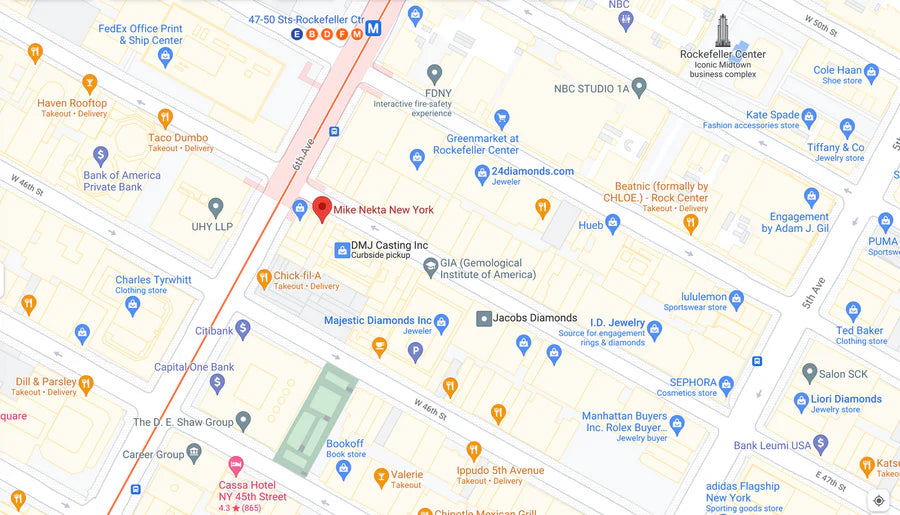
Book an Appointment with Mike Nekta New York
If you want your necklace cleaned properly, checked for weak points, repaired, polished, or you just want help choosing the right chain length and style for your neck and wardrobe, you can book an appointment with me, Mike Nekta.