
How Carat Size Impacts the Look of a Pear Cut Diamond
As someone who has spent years helping clients find the perfect engagement ring, I can confidently say that the pear cut diamond never fails to impress with its unique teardrop shape. This elegant design combines the brilliance of a round cut with the elongated look of a marquise, making it a truly romantic choice.
When it comes to choosing a pear cut diamond ring, it's important to understand how carat size affects its appearance. The weight of your diamond not only determines its size but also significantly impacts how it looks on the finger, including factors like visual presence and perceived value.
In this guide, I'll explain in detail how carat size influences the appearance of a pear cut diamond. You'll learn why these beautiful stones seem larger than round diamonds of the same weight, discover the ideal proportions that enhance their beauty, and understand how clever setting choices can further elevate their already stunning visual impact. Whether you have a specific budget in mind or simply want to make an informed decision, this comprehensive exploration will provide you with the knowledge needed to select a pear cut diamond that exceeds your expectations.
Understanding Pear Cut Diamonds
When I first started working with pear cut diamonds, I was fascinated by how they brilliantly merge two distinct cutting styles. The characteristics of pear cut diamonds draw from both the round brilliant cut at the rounded end and the marquise cut at the pointed tip, creating that distinctive teardrop diamond shape that captures light from multiple angles.
The Genius of Hybrid Design
The genius of this hybrid design lies in its 58 facets, which deliver exceptional sparkle while offering a silhouette that naturally elongates the finger. I've noticed that clients are drawn to pear cuts because the shape creates a slimming effect on the hand, making it particularly flattering for engagement rings. The pointed end can be worn facing either direction—toward the fingertip for a lengthening effect or toward the hand for a more traditional look.
Pear vs Round Diamonds: Striking Differences
The pear vs round diamond comparison reveals striking differences in visual presence. At identical carat weights, a pear cut diamond covers approximately 8% more surface area than its round counterpart. This happens because the elongated shape distributes the diamond's weight across a larger face-up area. A 1-carat pear diamond typically measures around 8.5mm x 5.5mm, while a 1-carat round diamond measures approximately 6.5mm in diameter. This dimensional advantage means you're getting more visible diamond for your investment, which is why I often recommend pear cuts to clients seeking maximum visual impact.
The Role of Carat Size in Pear Cut Diamonds
When I help clients understand carat weight, I always explain that it's a unit of measurement—specifically, one carat equals 200 milligrams. What surprises many people is that carat weight doesn't directly translate to how large a diamond looks on the finger. The visual size of diamonds depends heavily on how that weight is distributed across the stone's surface.
Why Pear Cut Diamonds Have an Advantage
Pear cut diamonds have a distinct advantage here. Their elongated outline creates more surface area compared to round diamonds of identical carat weight. I've shown countless clients a 1-carat pear alongside a 1-carat round, and the difference is immediately visible—the pear consistently appears larger because its shape spreads the weight across a greater length and width.
Understanding the Relationship Between Carat Size and Diamond Dimensions
The relationship between carat size and diamond dimensions in pear cuts follows a predictable pattern. As carat weight increases, both the length and width expand, but not always proportionally. A 0.50-carat pear might measure approximately 6.5mm x 4.5mm, while a 1-carat pear typically measures around 8.5mm x 5.5mm. This elongated distribution means you're getting more visible diamond for your investment.
How Pear Cuts Benefit Those Seeking Finger Coverage
I've noticed that clients who prioritize finger coverage often gravitate toward pear cuts specifically because of this size advantage. The shape naturally extends along the finger, creating an elegant, elongating effect that maximizes the perceived presence of the stone without requiring a jump to the next carat weight bracket.
Ideal Proportions That Enhance Pear Cut Diamond Appearance
When I work with clients selecting pear cut diamonds, I emphasize that ideal pear diamond proportions play a crucial role in how carat size translates to visual beauty. The depth ratio between 58-64% creates the perfect balance for light performance—too shallow and the diamond loses brilliance, too deep and it appears smaller than its actual carat weight. I've found that a table size ranging from 60-65% allows maximum light return while maintaining the elegant teardrop silhouette that makes pear cuts so distinctive.
The length-to-width ratio deserves special attention because it dramatically affects how the diamond presents itself. I typically recommend ratios between 1.45:1 and 1.75:1, though personal preference matters significantly here:
- 1.45:1 to 1.55:1 creates a fuller, more rounded teardrop—perfect for those who prefer a softer look
- 1.55:1 to 1.65:1 offers the classic pear shape that most clients gravitate toward
- 1.65:1 to 1.75:1 produces an elongated, slender appearance that maximizes finger coverage
These proportions directly impact How Carat Size Impacts the Look of a Pear Cut Diamond. A 2-carat pear with ideal proportions will showcase significantly more surface area than one with poor ratios, even at identical carat weights. I've seen well-proportioned 1.5-carat pears rival the visual presence of poorly cut 2-carat stones, proving that dimensions matter as much as weight itself.
Setting Styles That Influence Perceived Size of Pear Cut Diamonds
The right diamond setting styles can dramatically amplify how large your pear cut appears on your finger. I've seen countless clients amazed at how strategic setting choices transform their diamond's visual presence.
1. Halo Setting
This remains one of my most recommended options for pear cuts. A halo setting surrounds your center stone with a frame of smaller diamonds, creating an optical illusion that adds significant visual weight. The continuous sparkle around the teardrop shape can make a 1-carat pear appear closer to 1.5 carats, giving you exceptional value for your investment.
2. Split Shank Pave
When the band divides as it approaches the diamond, adorned with pavé stones, it draws the eye toward the center while making the diamond appear more substantial. The V-shaped opening created by the split shank pave naturally complements the pear's pointed end.
3. Tapered Baguette Side Stones
These elongated rectangular diamonds flanking your pear create clean, elegant lines that emphasize length. The tapered baguette side stones direct attention to the center stone's size while adding sophisticated geometric contrast to the curved pear shape.
Clarity Considerations in Relation to Carat Size for Pear Cut Diamonds
I've found that pear cut diamonds have a unique advantage when it comes to hiding imperfections. The way the diamond is cut, with its rounded end and elongated shape, helps to naturally hide any internal flaws that might be visible in other cuts. The 58 facets work together to scatter light in ways that make these imperfections less noticeable to the naked eye.
When I help clients choose flawless diamonds, I often suggest the SI1 clarity grade for pear cuts, especially for larger carat sizes. As the diamond gets bigger, the facets also grow, allowing more light to pass through and hide minor imperfections. A 2-carat pear with SI1 clarity can look just as flawless as a higher-graded stone when viewed without magnification.
The cost savings here are significant. By opting for SI1 or SI2 clarity grades instead of VS1 or higher, you can save 20-40% on your diamond budget. This extra money can be used to buy a larger carat size or better cut quality without sacrificing the visual appeal of your ring. The strategic placement of imperfections toward the pointed end or within the bow-tie area makes them nearly invisible during regular wear.
Cost Efficiency of Pear Cut Diamonds Compared to Other Shapes at Similar Carat Sizes
I've seen many clients get excited when they find out about the cost difference between pear and round diamonds. On average, pear cuts are usually 15-30% cheaper than round diamonds of the same carat weight. This affordability advantage comes from the fact that more of the original rough diamond can be used when cutting a pear shape, which means less waste and lower production costs.
How Carat Size Affects the Appearance of a Pear Cut Diamond
The financial benefits become even more appealing when you think about how carat size affects the look of a pear cut diamond. A 1.5-carat pear diamond not only costs significantly less than a 1.5-carat round but also looks larger because of its elongated surface area. I've helped clients use their savings for:
- Higher color grades for a whiter appearance
- Superior cut quality for maximum brilliance
- Premium settings that showcase the diamond's unique shape
- Larger carat weights that would otherwise exceed their budget
This strategic approach allows buyers to maximize visual impact without compromising on quality. The combination of lower per-carat pricing and enhanced visual presence makes pear cuts an intelligent choice for engagement ring shoppers seeking exceptional value.
Maximizing Visual Impact Through Carat Size and Quality Factors
Maximizing diamond appearance requires understanding how multiple elements work together. I've seen countless clients amazed when they realize that a 1.5-carat pear with excellent proportions can outshine a poorly cut 2-carat stone. The visual spread of a pear cut diamond depends on three interconnected elements: carat weight, depth ratios between 58-64%, and table sizes from 60-65%.
Quality factors in diamonds extend beyond just size. A pear cut with ideal length-to-width ratios (typically 1.45-1.75) paired with a complementary setting creates remarkable finger coverage. I always recommend my clients consider:
- Cut quality as the foundation—proper faceting ensures maximum light return
- Proportion balance—avoiding overly deep stones that hide weight below the setting
- Strategic setting choices—halos and side stones amplify the center stone's presence
The magic happens when you select a carat size that fits your budget while maintaining superior cut standards. A well-proportioned 1.25-carat pear in a halo setting delivers more visual impact than a 1.5-carat stone with compromised proportions.
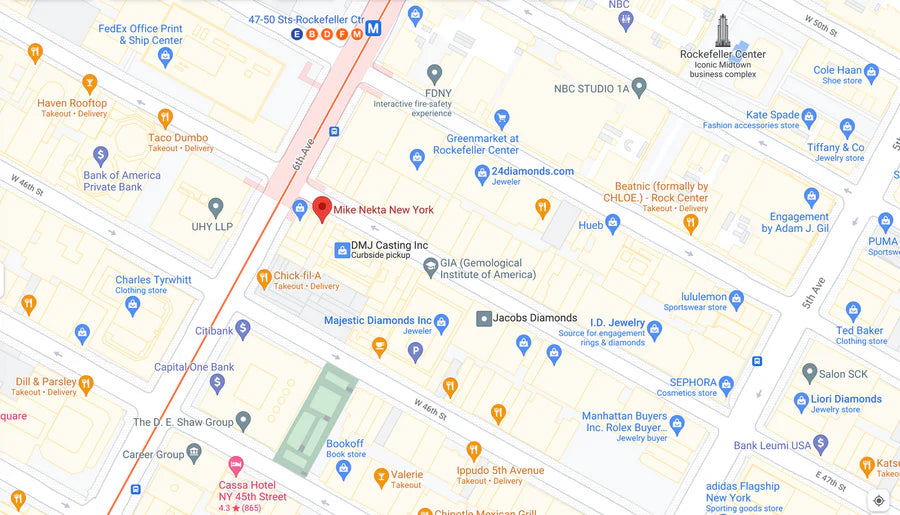
Book an Appointment with Mike Nekta New York for Your Perfect Pear Cut Diamond Ring!
Understanding how carat size impacts the look of a pear cut diamond is just the beginning of your journey. I invite you to book a personalized appointment with me at my New York showroom, where we'll explore exactly how different carat weights translate to real-world presence on your finger.
My approach to custom engagement rings centers on your unique vision and budget. During our expert consultation, we'll examine various pear cut diamonds side-by-side, discussing how specific carat sizes interact with different settings, proportions, and quality factors. I've spent years helping clients navigate these decisions, and I'm passionate about creating rings that exceed expectations while respecting financial boundaries.
Whether you're drawn to a delicate 0.75-carat pear or a statement-making 2-carat stone, I'll guide you through selecting the perfect combination of size, cut quality, and setting style that makes your ring truly exceptional.