
Why Blue Diamonds Are Among the Rarest Gemstones in the World
As a gemstone expert with decades of experience in the diamond industry, I've seen many collectors and investors fascinated by the allure of blue diamonds. These exceptional gems are the epitome of gemstone rarity, capturing the attention of royalty, celebrities, and serious collectors around the globe. The reason behind why blue diamonds are among the rarest gemstones in the world lies in their incredible geological journey that spans hundreds of millions of years.
Blue diamonds hold a unique position in the world of gemstones, with a discovery rate of only 1 in 10,000 in diamond mines. Their scarcity goes beyond mere numbers—these gems require a perfect combination of geological circumstances, including boron contamination deep within Earth's mantle at depths exceeding 400 miles.
How Blue Diamonds are Formed
Diamonds are formed deep within the Earth under extreme conditions. Blue diamonds, in particular, are created through a fascinating process involving specific geological factors.
1. Formation Deep Within the Earth
Blue diamonds form approximately 410 miles (660 kilometers) below the Earth's surface in an area known as the mantle. At these depths, temperatures reach over 2,000°F (1,093°C), and pressures are incredibly high, around 725,000 pounds per square inch.
2. The Role of Boron
What sets blue diamonds apart from other types is their unique color caused by the presence of boron. During the crystallization process, trace amounts of boron atoms infiltrate the carbon crystal structure of the diamond. This occurs at a specific ratio—approximately one boron atom for every million carbon atoms—resulting in the distinctive blue hue that makes these gems so desirable.
3. The Geological Journey
The creation of blue diamonds involves a complex geological journey spanning hundreds of millions of years:
- Boron Sources: Boron originates from ancient seafloors where it accumulates through natural processes over long periods.
- Subduction Zones: Through plate tectonics, these boron-rich materials are forced down into the lower mantle via subduction zones.
- Carbon-Rich Environments: In the mantle, recycled boron eventually encounters areas rich in carbon, providing the necessary conditions for diamond formation.
4. The Path to the Surface
Once formed, blue diamonds remain hidden deep within the Earth until volcanic eruptions bring them closer to the surface. These eruptions occur through structures called kimberlite pipes, which act as conduits for transporting these precious gemstones upwards.
The entire process—from the transformation of oceanic sediments into building blocks for blue diamonds to their eventual eruption—is a remarkable example of nature's ability to create valuable treasures from ordinary elements.
Rarity Factors of Blue Diamonds
The scarcity of blue diamonds becomes apparent when examining mining statistics. Diamond miners encounter these extraordinary gems at odds of approximately 1 in 10,000, making them exponentially rarer than their colorless counterparts. I've witnessed firsthand how entire mining operations can go months without discovering a single blue specimen.
Type IIb Diamonds
Blue diamonds belong to the exclusive Type IIb diamonds classification, distinguished by their unique chemical composition. Unlike Type Ia diamonds that contain nitrogen impurities, Type IIb diamonds are virtually nitrogen-free, allowing boron atoms to create their signature coloration. This category represents less than 0.1% of all natural diamonds, establishing their position among the world's most coveted gemstones.
Fancy Vivid Color Grade
The Fancy Vivid color grade represents the pinnacle of blue diamond rarity. Only about 1% of blue diamonds achieve this coveted classification, requiring intense, pure coloration that captivates even seasoned gemologists. The Gemological Institute of America's strict grading standards ensure that stones reaching this level display exceptional color saturation.
Impact of Secondary Hues
Secondary hues significantly impact a blue diamond's rarity and value:
- Pure blue stones command the highest premiums
- Gray-blue diamonds are more common but still valuable
- Green-blue variations offer unique appeal
- Violet-blue specimens are particularly sought after
The presence of secondary colors can either enhance or diminish a stone's desirability, with collectors typically preferring diamonds exhibiting the deepest, most saturated blue tones without competing hues.
Color Characteristics and Valuation of Blue Diamonds
The mesmerizing blue hue that makes these gems so coveted comes from a very specific ratio of boron atoms in the diamond's crystal structure. When about one boron atom gets into every million carbon atoms, it creates the ideal conditions for that distinct blue color. This tiny contamination acts as an electron acceptor, absorbing certain wavelengths of light to create the blue spectrum we see.
The intensity of diamond color is the most important factor in determining its price, often more so than the usual clarity standards used for valuing colorless diamonds. The market values saturation and depth of blue above all else, with stones that have bright, pure blue colors being worth much more than their lighter counterparts.
Historical and Geographic Context of Blue Diamonds
The history of blue diamonds is a captivating story that reveals how various factors influenced the global gemstone market.
The Dominance of Indian Diamonds
For centuries, India was the leading supplier of diamonds in the world. The legendary mines of Golconda were the primary source of these precious stones until the late 1600s. It was during this time that some of the most famous blue diamonds in history were discovered, including the notorious Hope Diamond.
The Impact of African Mines
In the late 19th century, the discovery of African mines completely changed the availability of blue diamonds. The Cullinan mine in South Africa became a major supplier, shifting the focus of blue diamond sourcing from India to Africa. This shift marked a new era where African deposits started producing exceptional blue diamonds that would attract global attention.
Blue Diamonds as Symbols of Prestige
Royal collections throughout Europe became closely associated with these extraordinary gems. Monarchs and nobility vied with each other to acquire the most magnificent blue diamonds. The French Crown Jewels, British Royal Collection, and various European courts elevated blue diamonds to symbols of ultimate prestige and power.
The Influence of Geographic Origin
The geographic origin of a diamond plays a significant role in its availability and desirability in the market. Stones from specific locations often command higher prices due to their provenance, with collectors willing to pay substantial premiums for diamonds with documented historical backgrounds. As new discoveries from traditional sources become increasingly rare, competition among collectors intensifies, leading to unprecedented price increases for authenticated specimens from renowned historical deposits.
Scientific Importance and Research on Blue Diamonds
Blue diamonds are not just beautiful gemstones; they also hold valuable information about Earth's geology. Scientists study these rare diamonds to gain insights into various geological processes that have occurred over millions of years.
Understanding Earth's Deep Interior
One of the key areas of research involving blue diamonds is understanding Earth's deep interior. These diamonds form at extreme depths, often more than 400 miles below the surface, where temperatures and pressures are incredibly high. By studying the composition and characteristics of blue diamonds, scientists can infer details about the conditions present in this inaccessible region of our planet.
Unraveling Plate Tectonics
Another significant aspect of research on blue diamonds is its connection to plate tectonics. The boron content found in these gemstones provides clues about ancient movements of tectonic plates. When oceanic plates carrying sediments rich in boron descend into the mantle through subduction zones, they bring surface materials down to great depths. This process helps researchers understand how Earth's surface and deep interior interact over geological time.
Studying Volcanic Activity
Volcanic activity is also closely linked to the study of blue diamonds. Kimberlite eruptions, which are violent volcanic events, play a crucial role in bringing these precious stones closer to the surface. During such eruptions, blue diamonds are transported from the mantle through narrow volcanic conduits and eventually reach the Earth's crust. By examining the chemical signatures left behind by these eruptions, scientists can gain insights into ancient atmospheric conditions and oceanic chemistry.
Overcoming Research Challenges
Despite their scientific significance, studying blue diamonds presents several challenges due to their extreme rarity. Traditional methods of analysis often involve destructive techniques that may not be feasible when dealing with specimens worth millions of dollars. However, advancements in non-destructive technologies such as spectroscopy and X-ray imaging have opened up new avenues for research.
These modern techniques allow scientists to analyze blue diamonds without causing any damage or alteration to them. By using advanced imaging methods and spectroscopic techniques, researchers can map the distribution of boron within the crystals and investigate their internal structures while preserving both their commercial value as gemstones and their scientific importance as geological samples.
Conclusion: The Unmatched Rarity of Blue Diamonds
Blue diamonds are unlike any other gemstone on Earth due to their one-of-a-kind geological formation. They are formed under extremely rare conditions that involve the movement of boron atoms from ancient ocean floors, through millions of years of tectonic activity, and deep into the Earth's mantle where they interact with carbon structures under intense heat and pressure.
This extraordinary process results in diamonds that are not only incredibly valuable but also hold significance beyond monetary worth. The specific combination of boron and carbon during their formation gives these diamonds their sought-after blue color, while the difficulty in finding them—only one in ten thousand mined—is what makes each discovery so special. Furthermore, only a small percentage of these diamonds achieve the highest grade known as Fancy Vivid, further enhancing their exclusivity.
When we look at the geological factors that make blue diamonds rare, such as the unique conditions required for their creation and the limited chances of finding them, it becomes clear why they are considered some of the rarest gemstones in the world. For collectors, owning a blue diamond means possessing a piece of Earth's ancient history—a direct link to geological processes that have shaped our planet over time. Each stone tells a story about significant changes in Earth's environment, making them treasures that go beyond conventional definitions of luxury and scarcity.
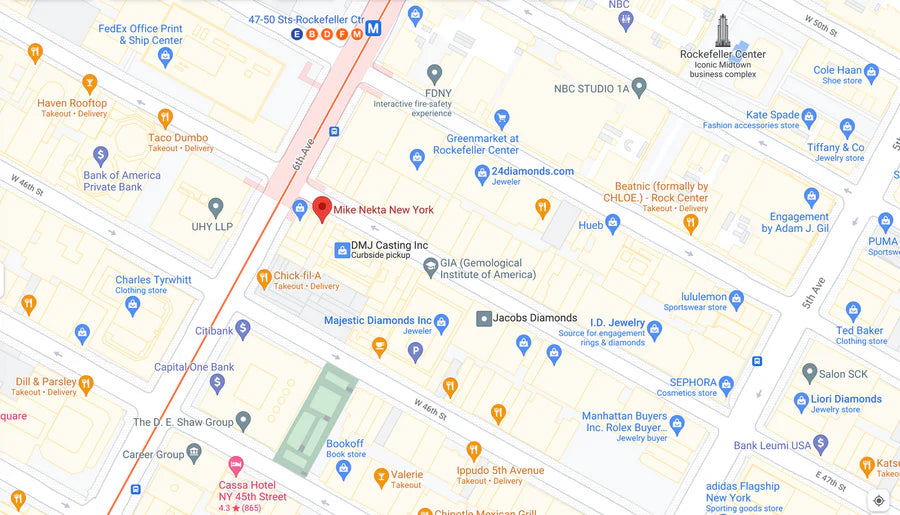
Your Expert Guide to Acquiring Rare Blue Diamonds: Mike Nekta New York
Understanding why blue diamonds are among the rarest gemstones in the world requires more than just theoretical knowledge—it demands hands-on expertise and access to exceptional specimens. As someone who has dedicated my career to rare gemstones, I recognize that acquiring these extraordinary diamonds requires careful guidance and deep market understanding.
My personalized approach at Mike Nekta New York centers on educating clients about the unique characteristics that make each blue diamond special. From evaluating boron concentration levels to assessing color intensity and provenance, I provide comprehensive insights that help collectors make informed decisions.
Expert consultation on blue diamonds goes beyond simple transactions. I work closely with each client to understand their specific interests, whether they seek investment-grade specimens, historically significant pieces, or stones with particular color characteristics.
Ready to explore the world of blue diamonds? Book an appointment with Mike Nekta New York to discuss your interests in these geological marvels. My specialized knowledge in rare gemstones ensures you receive authentic, expertly evaluated blue diamonds that match your collecting goals and investment objectives.