
What Makes the Asscher Cut Diamond So Unique?
When clients ask me, What makes the Asscher cut diamond so unique?, I always begin with its unmistakable character—equal parts vintage glamour and architectural precision. The Asscher cut, with its striking geometric lines and signature “hall of mirrors” effect, stands out in a world of classic round brilliants and elongated emerald cuts.
Understanding unique diamond cuts is key when selecting a piece that truly resonates with personal style. Each cut tells its own story, but few are as bold or as instantly recognizable as the Asscher. Its square shape, cropped corners, and deep step facets recall the grandeur of early 20th-century design while offering a fresh take on modern elegance.
Whether you’re exploring new diamond ring styles or searching for a show-stopping engagement ring, the Asscher cut commands attention for several reasons:
- Architectural brilliance: Large step facets and a higher crown provide dramatic depth.
- Vintage yet modern: Its Art Deco roots blend seamlessly with current trends.
- Geometric sophistication: The octagonal outline offers a departure from traditional shapes.
For those who appreciate craftsmanship and want their jewelry to make a statement, the Asscher cut delivers an experience that is both timeless and visually unforgettable.
History and Origin of the Asscher Cut Diamond
The Asscher cut diamond was created by Joseph and Abraham Asscher, known as the Asscher Brothers of Holland, in 1902. They patented this now-iconic diamond cut, which quickly gained popularity among enthusiasts of vintage diamond cuts. The Asscher Brothers combined technical skill with artistic vision during a time when jewelry design was undergoing significant changes.
The Influence of the Early 20th Century
The early 1900s saw a shift in fashion preferences, with an increasing appreciation for geometric shapes, symmetry, and clean lines. In response to these trends, the Asscher Brothers developed a diamond cut that embodied both precision and elegance. This innovative design laid the foundation for what would later become one of the most sought-after shapes in fine jewelry.
The Art Deco Era
During the 1920s and 1930s, Art Deco diamonds became highly popular, bringing attention to the Asscher cut once again. Its sharp angles and stepped facets perfectly complemented the architectural themes of Art Deco, making it synonymous with the opulence and progressive spirit of that golden age in design.
Distinctive Features of the Asscher Cut Diamond
One look at an Asscher cut diamond, and its architectural beauty becomes immediately clear. The signature step facets—broad, flat surfaces that resemble a staircase—set this cut apart from more traditional brilliant or princess cuts. These step facets run parallel to the diamond's edges, producing clean lines and a depth that draws the eye inward, rather than scattering light in every direction like round or cushion cuts.
The geometric precision doesn’t stop there. An Asscher cut is shaped almost perfectly square but features cropped corners that soften each angle. This design transforms what would be a simple square into an elegant octagonal outline, lending both structural integrity and visual intrigue to the stone. The cropped corners are not just stylistic; they enhance durability by reducing sharp points susceptible to chipping.
This combination of wide step facets with a unique octagonal shape gives the Asscher cut its iconic, almost mesmerizing symmetry—a feature that appeals to those who appreciate both artistry and engineering in fine jewelry.
Optical Effects: The Hall of Mirrors
One of the most captivating aspects of the Asscher cut diamond is its hall of mirrors effect. This striking visual phenomenon is produced by the diamond’s concentric square facets, which are expertly engineered to reflect light in a way that appears almost endless. When you view an Asscher cut from above, the eye is drawn into a mesmerizing sequence of repeating reflections—almost as if peering down an infinite corridor lined with mirrors.
1. Concentric Square Facets
These step-cut facets create a geometric pattern, unique to the Asscher, that distinguishes it from all other cuts. Each layer works together to pull light inward and bounce it back out in crisp flashes.
2. Optical Illusion
This design doesn’t just create brilliance; it forms an optical illusion that intensifies both depth and clarity. The interplay between shadow and light within this octagonal outline results in a bold and sophisticated presentation.
What Makes the Asscher Cut Diamond So Unique? The answer often lies in this hypnotic hall of mirrors effect—a visual signature that transforms every movement into a play of light and depth.
Asscher Cut vs. Other Geometric Cuts: A Comparison
When comparing the emerald cut vs Asscher cut, several differences immediately stand out that shape their visual impact and desirability:
1. Facet Structure
The Asscher cut displays large, step-cut facets that are more pronounced and symmetrical than those of the emerald cut. While both feature step faceting, Asscher cuts have a square layout with concentric facets radiating from the center, while emerald cuts are rectangular with parallel facets.
2. Crown and Table Proportions
An Asscher’s crown is typically higher and its table smaller than an emerald cut’s. This difference creates deeper flashes of light within the stone and heightens the “hall of mirrors” effect. Emerald cuts, by comparison, have a broader table and a lower crown, resulting in subtler brilliance.
3. Clarity Emphasis
The faceting style of the Asscher cut exposes more of the diamond’s interior. Inclusions are more easily seen through these open step facets, making clarity absolutely critical when selecting an Asscher. The emerald cut also requires attention to clarity but is often a touch more forgiving thanks to its elongated shape.
These technical nuances form the basis for any diamond cut comparison between these two iconic geometric shapes, creating distinct personalities in finished jewelry pieces.
Craftsmanship and Precision in Cutting an Asscher Cut Diamond
Creating a truly exceptional Asscher cut diamond ring demands not only an eye for symmetry, but also a mastery of high craftsmanship diamonds. The step-cut facets must be carefully aligned with razor-sharp precision; even the slightest deviation can disturb the pattern’s harmony and diminish its signature brilliance.
- Precision faceting is at the heart of what makes the Asscher cut so captivating. Every concentric square facet must mirror the others perfectly, requiring highly skilled artisans who understand both the geometry of the stone and its optical potential.
- A hallmark of this cut is its deep pavilion and high crown, which enhance the interplay of light. Imperfect angles or misaligned steps can make an Asscher appear dull or lifeless—precision directly translates to maximum sparkle and value.
- Each Asscher cut diamond emerges as a unique work of art because subtle choices in proportion, facet size, and polish reflect the individual style and expertise of the cutter. No two Asscher cuts are ever truly identical; artisanal craftsmanship ensures that every piece stands apart with its own distinct personality.
The meticulous nature of crafting an Asscher cut paves the way for its timeless appeal and sets it apart from mass-produced alternatives.
Timeless Elegance Meets Modern Appeal: The Allure of Asscher Cut Rings
Asscher cut rings perfectly blend vintage charm with a contemporary twist. This unique diamond cut combines the best of both worlds—old-world elegance and a distinctly modern edge, creating jewelry that feels both timeless and fresh. With its geometric precision and clean lines, the Asscher cut evokes the spirit of classic engagement rings from the Art Deco era while still appealing to those who prefer sleek, modern designs.
Why Choose an Asscher Cut Ring?
What sets the Asscher Cut Diamond apart is its effortless sophistication and bold individuality. If you're looking for a ring that offers more than just traditional sparkle, here are some reasons why the Asscher cut might be the perfect choice for you:
- A striking silhouette: The unique shape of the Asscher cut diamond creates an eye-catching profile that stands out from every angle.
- A sense of history: This vintage-inspired cut carries with it a rich heritage and story, making it a meaningful choice for those who appreciate craftsmanship.
- A statement of taste: Wearing an Asscher cut ring speaks volumes about your personal style and appreciation for design artistry.
Asscher cut rings continue to attract individuals seeking distinctive jewelry—an ideal blend of timeless beauty and contemporary elegance.
Choosing an Asscher Cut Diamond Ring: A Guide for Buyers
When selecting an Asscher cut diamond ring, clarity becomes a top priority. The large, open step facets that give the Asscher its iconic look also make inclusions—tiny internal flaws—much more visible to the naked eye. This is why clarity emphasis diamonds are essential for this cut; I always advise my clients to opt for a higher clarity grade, such as VS1 or better, to ensure that the diamond’s beauty isn’t compromised by visible imperfections.
Diamond Ring Selection Tips:
- Clarity First: Examine diamonds in person whenever possible. Even minor inclusions in lower-clarity stones can stand out in an Asscher cut due to its clear window effect.
- Color Considerations: The geometric precision of this cut shows off color more than other shapes, so consider choosing a stone with a higher color grade if you desire a bright, icy appearance.
- Ideal Settings: The square silhouette with cropped corners lends itself perfectly to settings that highlight symmetry and structure.
- Solitaire settings emphasize the bold geometry and let the diamond take center stage.
- Halo settings add extra sparkle by surrounding the central stone with smaller accent diamonds, enhancing brilliance without detracting from the clean lines.
- Vintage-inspired designs pair beautifully with the Art Deco roots of this cut.
Working with these factors ensures your Asscher cut ring will be both visually stunning and timelessly elegant, tailored to showcase its unique character.
Styling and Setting Options for Asscher Cut Rings
When it comes to showcasing an Asscher cut diamond, the right setting plays a critical role in enhancing its geometric elegance and vintage appeal. I often recommend settings that celebrate the distinctive step facets and octagonal outline.
Popular choices include:
A classic solitaire setting puts the Asscher cut at center stage, allowing the diamond’s intricate “hall of mirrors” effect to shine without distraction. The simplicity of this style draws all attention to the stone's clarity and symmetry.
- Halo Settings for Asscher Diamonds:
Surrounding the Asscher with a halo of smaller diamonds not only amplifies its brilliance but also adds a touch of glamour. This design creates a stunning frame that emphasizes the sharp lines and cropped corners, making the central diamond appear larger and more radiant.
- Vintage Ring Settings:
Inspired by Art Deco motifs, vintage settings often feature filigree, milgrain edges, or baguette side stones. These elements complement the old-world charm of the Asscher cut while adding character and sophistication. Such designs are ideal for those who cherish both history and individuality in their jewelry.
Each setting style offers a unique way to express personal taste while maximizing the visual impact of an Asscher cut diamond.
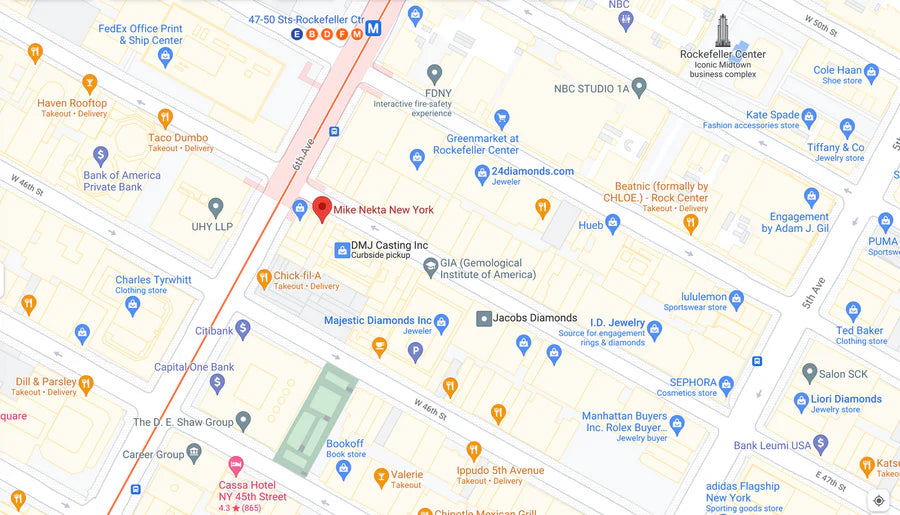
Book An Appointment With Mike Nekta New York
Ready to experience what makes the Asscher cut diamond so unique? Book an appointment with me, Mike Nekta, your trusted New York jeweler, for a personalized consultation. Whether you’re searching for a one-of-a-kind Asscher cut or dreaming of custom engagement rings NYC style, I offer expert guidance at every stage.
- Discover exclusive loose diamonds and finished rings
- Explore custom design options tailored to your vision
- Receive honest advice on quality, value, and settings
Schedule your private session today and let’s create something extraordinary together.