
How the 4Cs Affect the Brilliance of Princess Cut Diamond Rings
As someone who has spent years helping couples find their perfect engagement rings, I can confidently say that princess cut diamond rings are consistently one of the most sought-after choices.
There's something captivating about that modern, geometric silhouette paired with an electrifying sparkle that makes a princess diamond ring truly unforgettable. The sharp corners and brilliant facets create a contemporary elegance that appeals to those seeking both tradition and individuality.
But what many people don't realize is that the mesmerizing brilliance of a princess cut diamond isn't just about the shape itself. The magic happens when you understand how the 4Cs—cut, carat weight, clarity, and color—work together to transform a beautiful stone into an absolutely breathtaking centerpiece that catches light from every angle.
While princess cut diamonds are a popular choice, halo diamond rings have also become a favored option among couples for their timeless beauty and stunning sparkle. These rings reflect unique styles and love stories, making them significant choices for engagements or weddings.
Understanding Princess Cut Diamonds
Princess cut diamonds are known for their modern and geometric elegance. These stones have a distinctive square or rectangular shape with sharp lines, giving them a contemporary look. The way they are cut underneath—using a modified brilliant arrangement—creates a dazzling sparkle that can compete with the classic round brilliant cut.
The History of Princess Cut Diamonds
The history of princess cut diamonds goes back to around 1979 when diamond cutters came up with this innovative shape to maximize both brilliance and the amount of usable material from rough diamonds. By the 1980s, princess diamonds had won over jewelry lovers who were looking for something new and unique. The cut's ability to keep more of the original rough stone while still delivering exceptional sparkle made it an instant hit.
What Makes Women's Princess Cut Diamond Rings Different?
What makes a women's princess cut diamond ring different from other styles? Here are the key distinctions:
- Princess cut vs round: While rounds are the traditional choice, princess cuts offer a more contemporary look with similar brilliance at a better price per carat.
- Princess cut vs emerald: Unlike the step-cut facets of emerald diamonds that create a hall-of-mirrors effect, princess cuts deliver intense fire and scintillation through their brilliant faceting.
- Princess cut vs cushion: Princess diamonds have crisp, clean lines compared to the softer, rounded corners of cushion cuts.
This combination of modern aesthetics and brilliant light performance is why princess cuts have become the second most popular diamond shape in engagement rings today.
The Importance of Cut in Maximizing Brilliance
When I evaluate princess cut diamonds, I always emphasize that cut grade stands as the single most influential factor determining how brilliantly a stone will perform. Unlike carat weight or color—which are inherent characteristics of the rough diamond—the cut represents the craftsman's skill in unlocking the stone's optical potential. A poorly cut princess diamond, regardless of its size or purity, will appear dull and lifeless because it fails to properly reflect and refract light back to the viewer's eye.
The magic happens when we achieve ideal proportions for princess cuts. I recommend looking for diamonds with:
- Table percentage: 63-69% of the diamond's width
- Depth percentage: 69-76% of the diamond's width
- Polish and symmetry: Excellent to Very Good grades
These measurements aren't arbitrary numbers—they represent the sweet spot where light enters the diamond's table, bounces between the pavilion facets, and returns through the crown in a dazzling display of white light and colored fire.
Symmetry in princess cuts deserves special attention because this shape requires precision alignment in two dimensions. Both vertical and horizontal symmetry must align perfectly for the facets to work in harmony. When I examine a princess cut under magnification, I look for matching facet patterns on all four sides. Asymmetrical facets create "dead zones" where light leaks out the bottom instead of reflecting back, diminishing the stone's brilliance significantly.
Finding the Perfect Balance Between Size and Brilliance
When I help clients select princess cut diamond rings, carat weight becomes a fascinating conversation. The visual impact of a 1.5-carat princess cut can rival that of a 2-carat round brilliant, thanks to the square shape's efficient use of surface area. The face-up appearance makes these diamonds appear larger than their actual weight suggests.
Value per carat in princess cuts presents an exciting advantage. During the cutting process, princess cuts preserve approximately 80% of the rough diamond material, compared to only 50% retained in round brilliants. This efficiency translates directly to your investment—you're getting more diamond for your money.
I've watched countless clients' eyes light up when they realize they can afford a larger stone without sacrificing quality. A 1.25-carat princess cut might cost 20-30% less than a comparable round diamond, yet deliver equally stunning brilliance. The key lies in understanding that carat weight in princess cuts doesn't just measure size—it represents an opportunity to maximize both visual presence and sparkle within your budget parameters.
Ensuring Clarity Without Compromising Value or Beauty
When I examine clarity grades for princess cuts, I've learned that the brilliant facet pattern works in my favor. The strategic placement of prongs at the four corners naturally conceals minor imperfections that might be visible in other diamond shapes. This unique advantage allows me to consider VS2 and SI1 grades without sacrificing visual appeal.
Eye-clean diamonds have become my sweet spot for value. These stones contain inclusions that remain invisible to the naked eye, even under normal viewing conditions. I've discovered that many SI1-graded princess cuts appear flawless when viewed from the top—the position where they'll be admired most often on someone's hand.
The key lies in understanding where inclusions hide. I pay special attention to:
- Edge placement: Inclusions near the corners get covered by protective prongs
- Central positioning: Any marks in the table area require closer scrutiny
- Inclusion type: Feathers and clouds impact brilliance differently than crystals
By selecting stones in the VS2-SI1 range that pass the eye-clean test, I've helped clients save 20-30% compared to higher clarity grades while maintaining exceptional sparkle and fire.
Optimizing Color for Maximum Beauty and Value
When I'm helping clients select their princess cut diamonds, the color grade in princess cuts often becomes a fascinating discussion about perception versus reality. The brilliant facet pattern of princess cuts works in your favor here—the way light bounces through those sharp angles actually masks subtle color tints that might be more noticeable in step-cut diamonds like emeralds.
I've found that near-colorless color grades (G, H, and I) represent the sweet spot for most buyers. Here's what makes these grades so practical:
- G-grade diamonds appear virtually colorless when mounted, especially in white gold or platinum settings
- H-grade stones offer exceptional value while maintaining a crisp, bright appearance
- I-grade diamonds can look stunning in princess cuts due to the shape's natural ability to disperse light and minimize color perception
The pointed corners and brilliant faceting of princess cuts create what I call "color camouflage"—the stone's architecture naturally reflects white light more intensely than warmer tones. I've placed H-color princess cuts next to F-color stones, and clients consistently struggle to detect any difference when the diamonds are set in rings.
Considering Durability When Choosing a Setting Style
I've seen countless princess cut diamond rings over the years, and one concern consistently comes up: those sharp, pointed corners. While these corners contribute to the geometric beauty that makes princess cuts so distinctive, they also represent the most vulnerable points of the stone. The pointed corners in princess cuts can chip or fracture if they experience direct impact, which is why I always emphasize the importance of protective settings to my clients.
When selecting princess cut diamond rings, the setting style becomes a critical decision that directly impacts long-term durability. I recommend two primary options that offer superior protection:
1. V-Shaped Prongs: These specialized prongs cradle each corner of the diamond, creating a protective barrier that shields the vulnerable points while maintaining the stone's full visibility. The V-shape conforms perfectly to the angular corners, distributing any potential impact force across a broader area rather than concentrating it on a single point.
2. Bezel Settings: For clients seeking maximum protection, bezel settings encircle the entire perimeter of the diamond with a thin metal rim. This approach offers the highest level of security for the corners while creating a sleek, modern aesthetic. The metal border also provides the added benefit of making the diamond appear slightly larger due to the continuous line it creates around the stone.
Both protective settings for princess cuts preserve the diamond's brilliance while addressing durability concerns with pointed corners in princess cuts, allowing you to wear your ring confidently during daily activities.
Mastering the Balance: Making Informed Choices Based on Your Preferences and Budget Constraints
Balancing 4Cs for optimal brilliance & value requires understanding which factors matter most to you. Through my years of working with clients, I've learned that no two people prioritize the same characteristics when selecting their princess cut diamond.
The cut should never be compromised—it's the foundation of brilliance. I always recommend allocating the largest portion of your budget here. A princess cut with excellent proportions (table 63-69%, depth 69-76%) will outperform a larger stone with mediocre cutting quality every single time.
From there, you can strategically adjust the remaining Cs:
For maximum size on a budget:
- Choose a near-colorless grade (G-H-I) instead of colorless (D-E-F)
- Select VS2 or SI1 clarity if the stone is eye-clean
- Invest savings into a larger carat weight
For exceptional quality:
- Prioritize higher clarity grades (VVS2 or VS1)
- Opt for colorless or near-colorless grades (D-F)
- Accept a slightly smaller carat weight
I've watched clients fall in love with 1.2-carat G-color VS2 diamonds that sparkle more intensely than 1.5-carat stones with poor proportions. The key lies in finding your perfect balance—where technical excellence meets personal preference without stretching beyond comfortable financial limits.
Conclusion
Understanding how the 4Cs work together to create a beautiful sparkle is key to finding your perfect princess cut diamond ring. I've seen many clients light up when they realize that smart choices in cut quality, carat weight, clarity, and color can result in stunning brilliance without overspending.
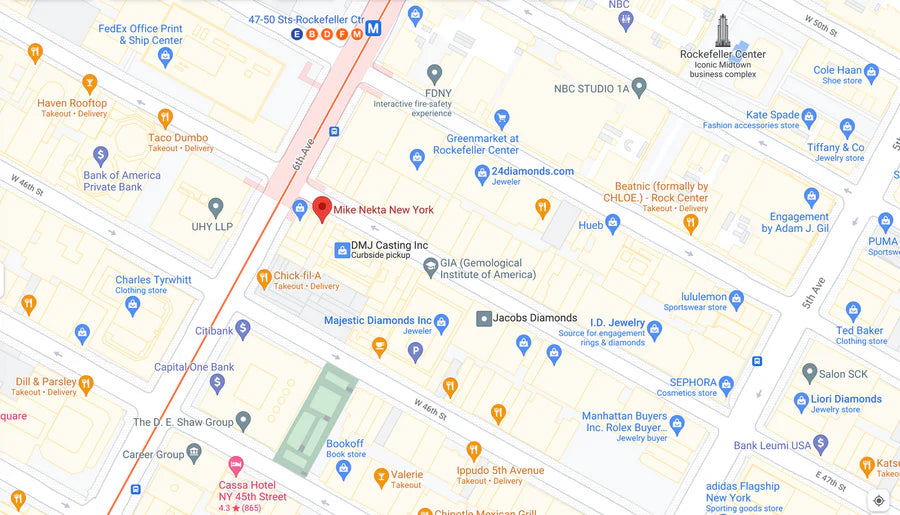
Are you ready to discover the wonderful world of princess cut diamond rings? I invite you to schedule an appointment with Mike Nekta for a personalized custom engagement rings consultation. With custom engagement rings, you have the opportunity to design a piece that holds deep personal meaning and tells your unique love story. Together, we will bring your vision to life using ethically sourced, conflict-free diamonds from trusted suppliers around the globe. Let's create something truly extraordinary—contact me today and I'll guide you through every sparkling detail of the process.