
The Ultimate Guide to 14K, 18K, and Platinum Settings: What's the Difference?
As an experienced jeweler with many years of experience, I've helped many clients navigate the complex world of precious metals. The decision between 14K gold, 18K gold, and platinum settings goes beyond just looks – it affects how long your jewelry will last, how much care it needs, and how happy you'll be with it.
I've noticed that many clients feel overwhelmed when selecting the perfect metal for their precious jewelry, particularly engagement rings. Each metal has its own qualities:
- 14K Gold Settings: A practical blend of durability and value
- 18K Gold Settings: A luxurious balance of purity and strength
- Platinum Settings: The epitome of luxury and durability
Through my years at the bench, I've learned that choosing the right metal setting is as crucial as selecting the perfect diamond. Your choice affects not only the immediate appearance but also the long-term wear, maintenance requirements, and investment value of your jewelry.
I've created this comprehensive guide to share my expertise and help you make an informed decision. Whether you're searching for an engagement ring, wedding band, or any precious jewelry piece, understanding these metal differences will ensure you select the perfect setting that aligns with your lifestyle, preferences, and budget.
Purity and Composition Comparison
As a jeweler with decades of experience, I've seen how metal composition directly impacts jewelry quality. Let me break down the key differences in purity levels:
14K Gold Composition
- 58.5% pure gold content
- 41.5% mixture of metals (silver, copper, zinc)
- Strong durability due to higher alloy content
18K Gold Composition
- 75% pure gold content
- 25% mixture of metals
- Richer gold color due to higher purity
- Slightly softer than 14K
Platinum Composition
- 95-98% pure platinum
- Minimal alloy metals (iridium or ruthenium)
- Highest purity level among jewelry metals
The higher gold content in 18K makes it more valuable than 14K, while platinum's exceptional purity sets it apart from both gold options. I've noticed that clients who prioritize metal purity often gravitate toward platinum or 18K gold for their significant pieces.
Color and Appearance Distinctions
I've worked with countless precious metals, and the color differences between platinum and white gold are striking. Platinum displays a natural, soft white hue that remains consistent throughout its lifetime. This inherent whiteness creates a subtle, sophisticated look that many of my clients prefer for their high-end pieces.
White gold, whether 14K or 18K, presents a different story. These metals start with a slightly warmer undertone due to their gold content. To achieve that bright, white appearance, we plate white gold with rhodium - a precious metal that creates a brilliant, mirror-like finish.
Here's what I've observed about color changes over time:
Platinum
- Maintains its natural white color
- Develops a distinctive patina
- Never needs color restoration
White Gold
- Initial bright, reflective appearance
- Rhodium plating gradually wears away
- Reveals warmer undertones beneath
- Requires periodic replating every 12-18 months
I find that 18K white gold tends to show its warmer undertones more quickly than 14K due to its higher gold content. This characteristic makes platinum the superior choice for those seeking consistent color longevity.
Durability Factors
I've noticed many clients are surprised to learn about the significant durability differences between platinum and gold settings. Let me break down these crucial distinctions:
Platinum's Unique Properties:
- Denser composition - 60% heavier than 14K gold
- Naturally malleable yet incredibly strong
- Develops a distinctive patina over time
- Metal moves rather than wears away with scratches
Gold Settings Characteristics:
- 14K gold offers superior scratch resistance
- 18K gold balances durability with higher precious metal content
- Both maintain their polish longer than platinum
The patina finish on platinum deserves special attention - it's not a flaw but a cherished characteristic. This subtle, soft sheen develops as the metal ages, creating a vintage-like finish many of my clients specifically request. Think of it as your jewelry developing its own unique character, telling the story of your journey together.
When choosing between these metals, I always remind my clients that platinum's durability shows through its ability to hold precious stones securely. The metal's natural properties make it exceptional for protecting diamonds and other gemstones in their settings.
Hypoallergenic Properties Analysis
Many clients with sensitive skin struggle to find jewelry that doesn't cause reactions. This makes the hypoallergenic properties of different metals a crucial consideration when selecting engagement rings and fine jewelry.
Platinum: The Safest Choice
- 95% pure platinum composition
- Zero risk of allergic reactions
- Ideal for sensitive skin
- Natural white metal requiring no additional plating
White Gold Considerations
- Contains nickel and other alloys that may trigger reactions
- Rhodium plating acts as a protective barrier
- Potential skin irritation when plating wears off
- Regular replating needed for both aesthetics and skin protection
As a jeweler, I recommend platinum for clients with known metal sensitivities. The initial investment in platinum can prevent future discomfort and eliminate concerns about allergic reactions. The pure composition of platinum ensures peace of mind, particularly for pieces worn daily like engagement rings and wedding bands.
For those uncertain about metal allergies, I suggest patch testing different metals before making a final decision. This simple precaution can save both discomfort and expense in the long run.
Cost and Rarity Evaluation
As a jeweler with decades of experience, I've observed significant price variations between platinum and gold settings. Platinum's higher cost stems from its remarkable rarity - it's 30 times scarcer than gold in the Earth's crust.
The pricing structure breaks down into these key factors:
- Metal Density: Platinum's dense nature requires more material for each piece, driving up costs
- Mining Complexity: Extracting platinum demands specialized techniques, increasing production expenses
- Market Availability: Limited annual platinum production affects supply and pricing
- Purity Levels: Platinum jewelry's 95% purity versus gold's lower percentages impacts value
A platinum setting typically costs 40-50% more than its 18K gold counterpart. Here's a general price comparison:
- 14K White Gold Setting: $500-800
- 18K White Gold Setting: $700-1,000
- Platinum Setting: $1,000-1,500
These prices reflect base settings without gemstones, varying by design complexity and market conditions. I've noticed platinum's value remains relatively stable, making it a reliable investment choice for fine jewelry.
Maintenance Requirements Comparison
As a jeweler with decades of experience, I've observed distinct maintenance patterns between platinum and white gold settings. Let's examine the care requirements for each metal:
Platinum Settings:
- Minimal maintenance needed
- Natural white color stays consistent
- Develops a desirable patina over time
- Simple cleaning with mild soap and water
White Gold Settings:
- Requires periodic rhodium replating
- Replating costs range from $50-$150
- Recommended replating every 12-18 months
- Professional cleaning recommended
I've noticed that many of my clients prefer platinum's low-maintenance nature. The metal's natural properties eliminate the need for regular replating visits to the jeweler. White gold settings, while beautiful, need more attention to maintain their bright, white appearance.
The maintenance schedule also impacts the long-term cost of ownership. While platinum has a higher initial cost, its minimal maintenance requirements can offset this difference over time. White gold's periodic replating needs should be factored into the investment decision when choosing between these metals.
Use Cases Discussion
I've found that selecting between platinum and white gold often comes down to specific lifestyle factors and personal preferences. Here's my expert breakdown of ideal scenarios for each metal:
Platinum Settings Work Best For:
- Active lifestyles requiring minimal maintenance
- Setting large or valuable diamonds where security is paramount
- Individuals with metal sensitivities
- Clients seeking the most prestigious metal option
- Those who appreciate the natural patina development
White Gold Settings Shine In:
- Budget-conscious luxury purchases
- Designs requiring intricate metalwork
- Lighter-weight jewelry preferences
- Settings where frequent style changes are anticipated
- Pieces that complement warmer skin tones
The choice between these metals isn't just about budget - it's about matching the metal to your unique needs. I've seen clients who initially wanted platinum switch to white gold after understanding their lifestyle needs, and vice versa. Your daily activities, maintenance preferences, and aesthetic desires should guide your decision.
Conclusion
The choice between 14K, 18K, and platinum settings shapes your jewelry's future. Each metal brings distinct advantages to your precious pieces:
14K White Gold:
- Perfect balance of durability and value
- Ideal for active lifestyles
- Budget-friendly option without compromising quality
18K White Gold:
- Higher gold content for enhanced luxury
- Rich, warm undertones
- Excellent for statement pieces
Platinum:
- Ultimate durability and natural white color
- Hypoallergenic properties
- Premium choice for heirloom-quality jewelry
Your unique lifestyle, preferences, and budget should guide your metal selection. As a jeweler with decades of experience, I've helped countless clients find their perfect match. I understand the nuances of each metal type and how they complement different gemstones and designs.
If you're considering a diamond eternity band, it's essential to choose the right setting to enhance its beauty and sparkle. Similarly, if you're on the lookout for a 3 carat diamond ring, finding the perfect setting is an art form that requires patience and insight.
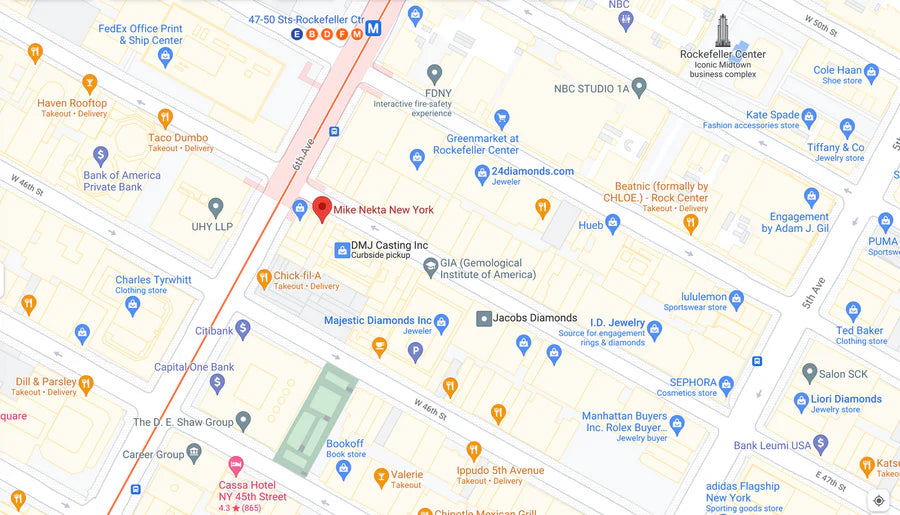
Ready to explore these options in person? I invite you to book a private consultation at my New York showroom. Together, we'll examine samples of each metal type, discuss your specific needs, and find the ideal setting for your precious jewelry piece.
Book your consultation today and let's create something extraordinary together.
Your perfect jewelry setting awaits – let's discover it together.